

What's Happening?
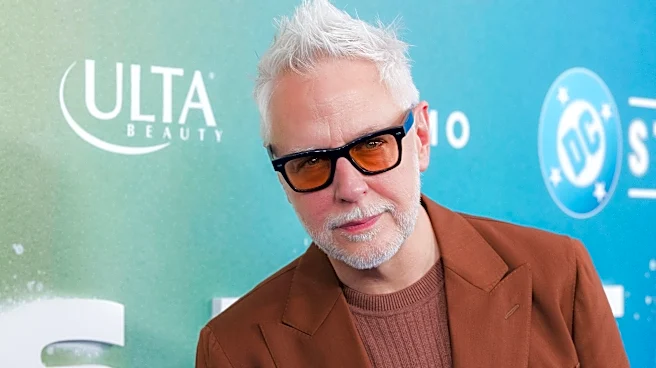
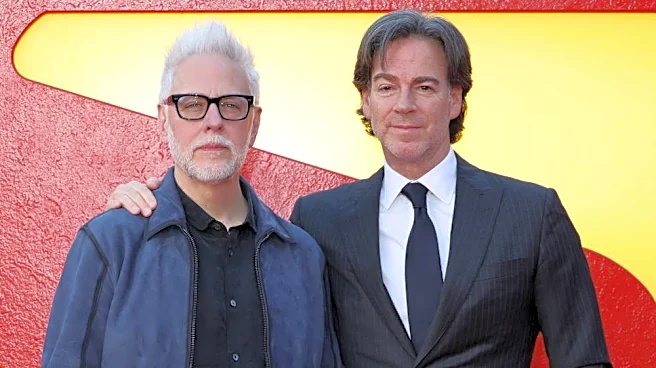
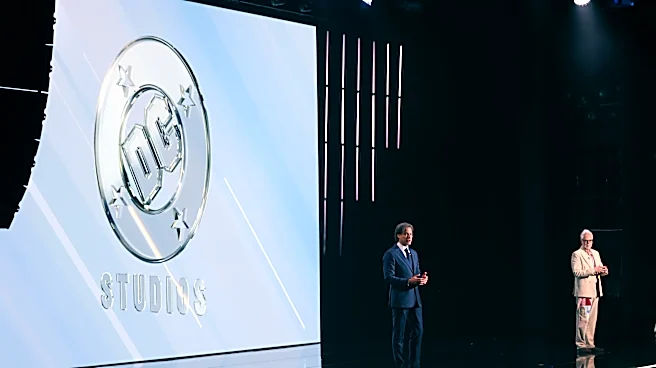
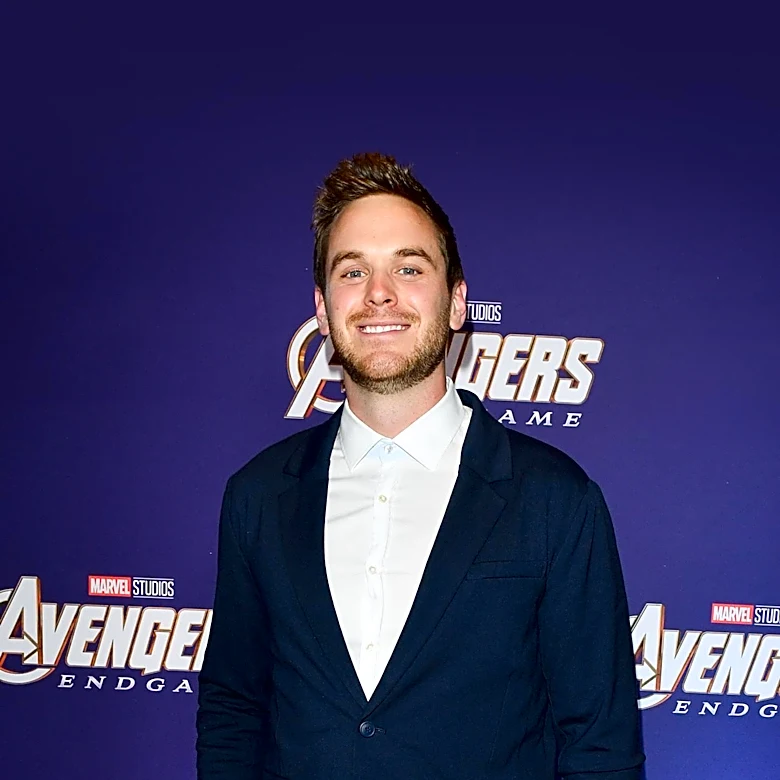
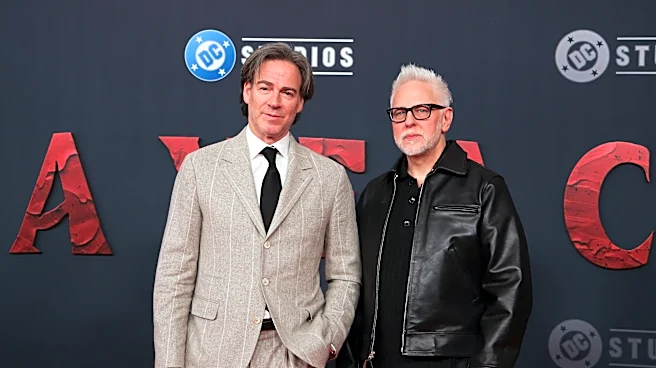
Chris Cantwell, a writer for the DC series 'Lanterns,' has publicly stated that 'Nothing's cancelled. Calm down.' This statement comes amidst uncertainty surrounding the show's second season following the unexpected departure of DC Studios co-CEOs James
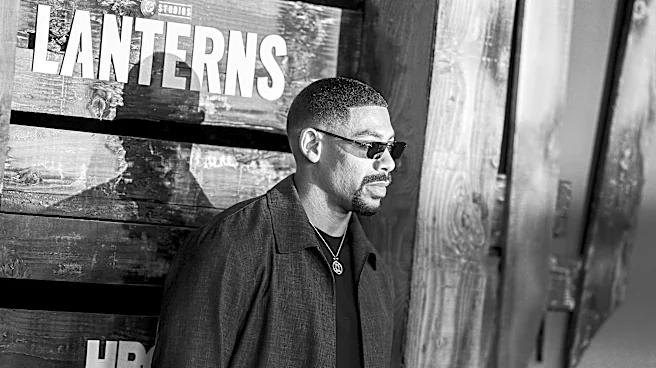
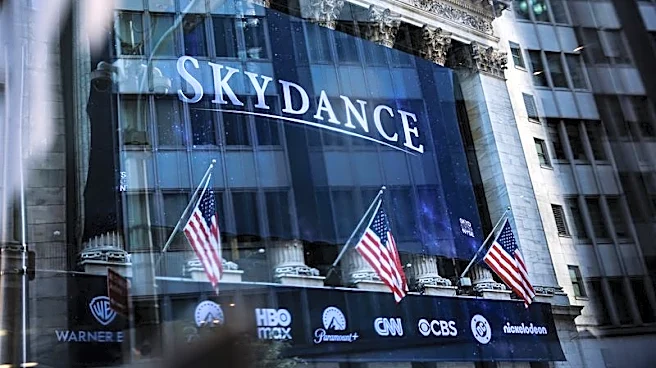
Gunn and Peter Safran. Reports from Variety initially suggested 'Lanterns' had not been renewed for a second season, later clarifying that it 'has yet to be renewed.' The future of the DC Universe (DCU) is currently in flux under the new leadership of Skydance and Jeremy Latcham. While some DC projects, like Gunn's 'Man of Tomorrow' and Matt Reeves' 'The Batman Part II,' have confirmed theatrical release dates, the broader plan for the DCU remains unclear. 'Lanterns,' starring Kyle Chandler as Hal Jordan and Aaron Pierre as John Stewart, received positive reception, with strong viewership numbers for its first season. Peter Safran had previously indicated that a decision on Season 2 would be made by the end of 2026, contingent on developing a compelling storyline.
Why It's Important?
The uncertainty surrounding 'Lanterns' Season 2 highlights the significant impact of leadership changes within major entertainment studios on ongoing productions and future content. The shakeup at DC Studios, with the exit of James Gunn and Peter Safran, creates a ripple effect across the entire DCU slate, affecting creators, actors, and the vast fanbase. For the U.S. entertainment industry, such executive shifts can lead to project cancellations, reboots, or significant creative overhauls, impacting employment for hundreds of individuals involved in production. Fans, in particular, are heavily invested in the continuity and quality of beloved franchises, and any perceived instability can lead to widespread concern and speculation, as evidenced by calls for the 'Snyderverse' to return. The financial performance of DCU projects under previous leadership is also under scrutiny, influencing future investment and strategic decisions by the new management, Skydance, and Jeremy Latcham. This situation underscores the volatile nature of large-scale media franchises and the constant pressure to deliver both critical and commercial success.
What's Next?
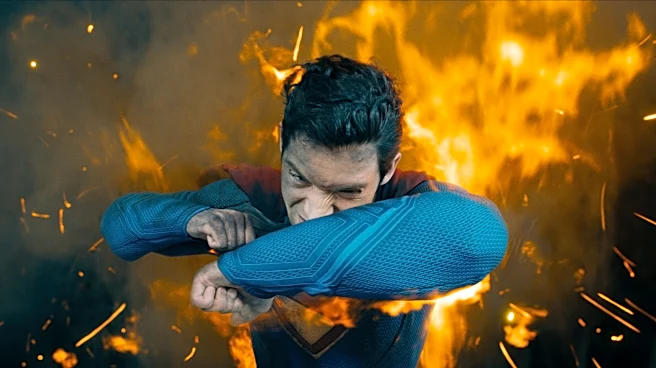
The immediate future for 'Lanterns' Season 2 remains uncertain, with a decision expected by the end of 2026, as previously stated by Peter Safran. The new leadership at DC Studios, under Skydance and Jeremy Latcham, will need to evaluate the creative and commercial viability of existing projects, including 'Lanterns.' While writer Chris Cantwell's comments offer a degree of reassurance, they do not constitute an official confirmation of renewal. The performance of upcoming DCU films, such as 'Man of Tomorrow' which features 'Lanterns' star Aaron Pierre, could also influence decisions regarding the television series. Stakeholders, including the show's cast, crew, and dedicated fanbase, will be closely watching for official announcements from DC Studios. The broader implications for the DCU involve the new leadership outlining their long-term vision, which will determine the fate of many ongoing and planned projects, potentially leading to a significant restructuring of the franchise's narrative and creative direction.
Beyond the Headlines
The situation with 'Lanterns' extends beyond a single show's fate, reflecting a broader trend of corporate restructuring and strategic re-evaluation within major media conglomerates. The shift in leadership at DC Studios, following the exit of James Gunn and Peter Safran, signifies a potential pivot in creative direction and business strategy for one of the largest comic book franchises. This can lead to ethical considerations regarding creative freedom versus corporate mandates, as well as legal implications concerning existing contracts and intellectual property rights. Culturally, the ongoing debate among fans about the 'Snyderverse' versus the current DCU highlights the deep emotional investment audiences have in these narratives and characters. The decisions made by Skydance and Jeremy Latcham will not only shape the future of the DCU but also set precedents for how major studios manage their intellectual properties in an increasingly competitive and fan-driven entertainment landscape, potentially influencing industry-wide practices in content development and franchise management.