







What's Happening?
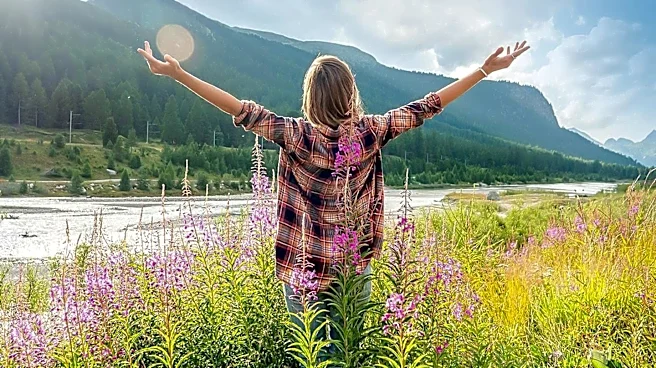
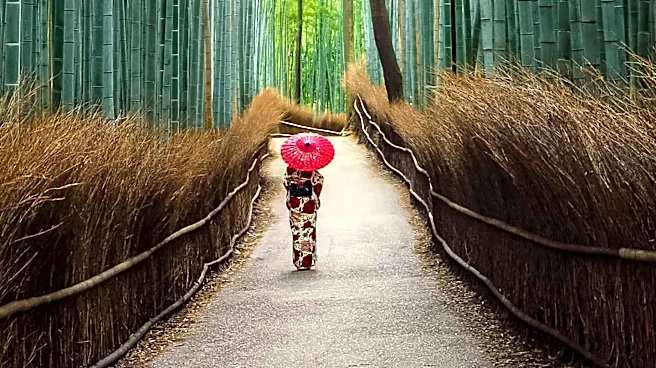
Dr. Suzanne Hackenmiller, a physician and certified forest therapy guide, is advocating for 'forest bathing,' or 'shinrin-yoku,' a Japanese practice that involves immersing oneself in nature through all five senses. This practice, coined in 1982 by Japan's
Ministry of Agriculture, Forestry, and Fisheries, was a response to a national health crisis linked to stress from modern, indoor, technology-driven lifestyles. Forest bathing is described as a slow, therapeutic wander through natural environments, not an intense workout, aimed at resetting the nervous system, lowering stress, and boosting overall well-being. Research indicates that spending at least two hours a week in nature significantly improves health, including physically lowering blood pressure, reducing heart rate, cutting cortisol levels, and boosting the immune system through airborne chemicals called phytoncides released by trees. It also acts as a powerful antidote to anxiety and depression, improving mood, focus, and sleep quality.
Why It's Important?
The promotion of 'forest bathing' in the U.S. offers a simple, accessible, and evidence-based approach to combating the widespread health issues associated with modern urban living, such as chronic stress, anxiety, and sedentary lifestyles. With a significant portion of Americans spending most of their time indoors, this practice provides a natural remedy that requires no special equipment or intense physical exertion, making it suitable for people of all ages and abilities. Integrating 'shinrin-yoku' into daily routines could lead to a measurable improvement in public health, reducing reliance on pharmaceutical interventions for stress and mood disorders. Furthermore, it encourages a deeper connection with the environment, potentially fostering greater environmental stewardship and appreciation for natural spaces within communities.
What's Next?
As awareness of 'forest bathing' grows, there is potential for increased adoption of this practice across the U.S. This could manifest in more designated 'shinrin-yoku' trails in parks and natural reserves, similar to those established in Japan. Healthcare providers and wellness programs might begin to formally recommend or incorporate nature immersion as a therapeutic intervention. Educational initiatives could be launched to teach individuals how to practice forest bathing effectively, even in urban settings like city parks or backyards. The continued research into the physiological and psychological benefits of nature exposure will likely further solidify its role in public health strategies, potentially influencing urban planning to prioritize green spaces and access to nature.
Beyond the Headlines
The concept of 'forest bathing' highlights a fundamental human need for connection with nature, often overlooked in industrialized societies. Its origins in Japan, as a response to societal stress, underscore a cultural understanding of holistic well-being that integrates environmental factors. This practice challenges the Western paradigm that often separates health from the natural world, suggesting that nature itself can be a powerful healer. The release of phytoncides by trees, which boost the human immune system, points to a sophisticated biological interplay between humans and their environment. Embracing 'shinrin-yoku' could lead to a re-evaluation of urban design, promoting biophilic cities that prioritize green infrastructure and accessible natural spaces, ultimately fostering healthier and more resilient communities.