







What's Happening?
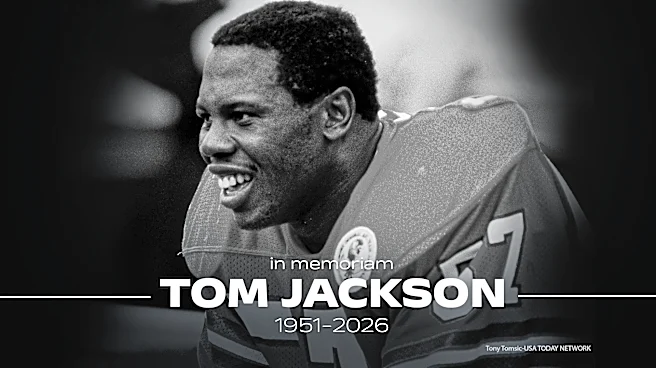
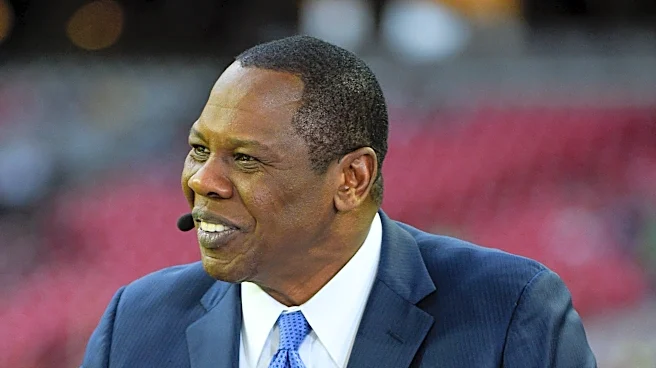
Tom Jackson, a former linebacker for the Denver Broncos and a prominent ESPN broadcaster for nearly three decades, has passed away at the age of 75. His death was announced by his longtime colleague and friend Chris Berman on ESPN’s 'Sunday NFL Countdown.'
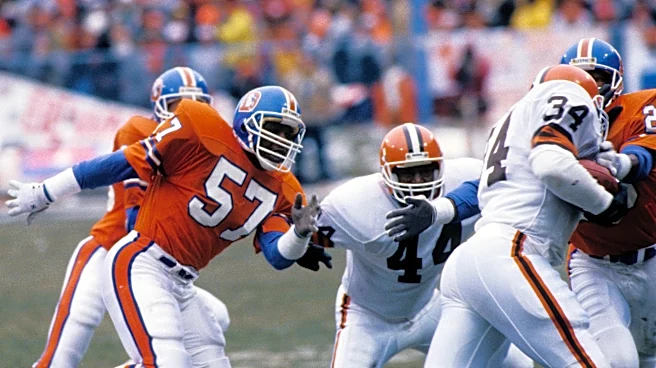
Berman expressed profound shock and sadness, stating that 'We've lost one of the best human beings ever to walk the planet.' ESPN chairman Jimmy Pitaro also acknowledged Jackson's significant impact, calling him 'one of the most influential and beloved figures in ESPN's history.' The Denver Broncos released a statement remembering Jackson as 'an inspirational leader and fierce competitor,' highlighting his role as a proud member of the team's first Super Bowl squad and his consistent display of 'class, warmth and humility.' Jackson joined ESPN as a studio analyst in 1987, where he formed a memorable partnership with Chris Berman on 'NFL Primetime' and 'Sunday NFL Countdown,' a collaboration that lasted for almost 30 years. Throughout his career, Jackson earned seven Sports Emmy Awards and was honored with the Pro Football Hall of Fame's 2015 Pete Rozelle Radio-Television Award.
Why It's Important?
Tom Jackson's passing marks the end of an era for NFL broadcasting and the sports community. His nearly 30-year tenure at ESPN, particularly his partnership with Chris Berman, made him a household name and a trusted voice for football fans across the United States. Jackson's insightful analysis, combined with his warm and engaging personality, helped shape how millions of Americans consumed NFL content for decades. His influence extended beyond mere commentary; he was a respected figure who brought credibility and passion to his role, earning him multiple Emmy Awards and a prestigious honor from the Pro Football Hall of Fame. His legacy will be remembered not only for his contributions as a player to the Denver Broncos, including being part of their first Super Bowl team, but also for his profound impact on sports journalism and his ability to connect with audiences, making complex football strategies accessible and entertaining. His death represents a significant loss to ESPN, the NFL, and the broader sports media landscape, leaving a void in the hearts of many who grew up watching him.
What's Next?
The immediate aftermath of Tom Jackson's death will likely see a continued outpouring of tributes and remembrances from across the sports world. ESPN, where Jackson spent the majority of his post-playing career, is expected to dedicate further segments and programming to honor his legacy, featuring reflections from former colleagues, players, and executives. The NFL community, including the Denver Broncos organization, will undoubtedly continue to share their condolences and memories of Jackson's contributions both on and off the field. Fans will likely engage in discussions across social media and sports forums, sharing their favorite moments and memories of Jackson's broadcasting career and his time as a player. His passing may also prompt a broader reflection within sports media on the impact of long-serving, beloved personalities and the unique role they play in shaping the fan experience. Memorial services or special events to commemorate his life and career are also possible, though details would typically be announced by his family or associated organizations.
Beyond the Headlines
Tom Jackson's career trajectory, from a successful NFL player to an iconic sports broadcaster, highlights a significant cultural shift in how former athletes transition into media roles. His longevity and success at ESPN set a high standard for athlete-analysts, demonstrating that deep game knowledge combined with articulate communication and genuine personality can create a lasting impact. Jackson's partnership with Chris Berman on 'NFL Primetime' was particularly groundbreaking, establishing a dynamic duo that became synonymous with Sunday night football recaps for a generation. This pairing transcended typical sports analysis, creating a form of entertainment that blended serious football discussion with humor and camaraderie, influencing subsequent sports broadcasting formats. His ability to connect with viewers, regardless of their team affiliation, speaks to a broader appeal rooted in authenticity and passion for the game. Jackson's legacy extends beyond individual achievements; he helped define an era of sports television, proving that the human element and genuine connection are as crucial as statistical analysis in engaging a mass audience.