


What's Happening?
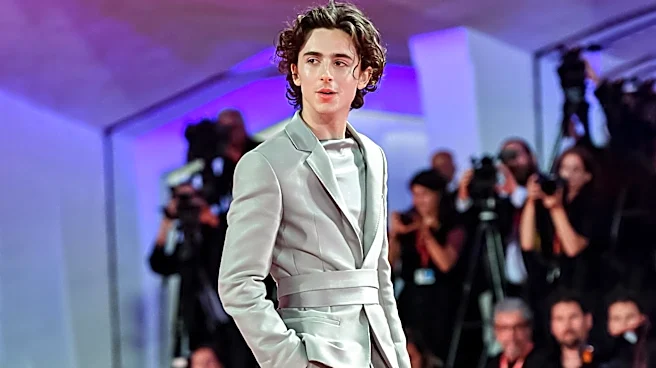
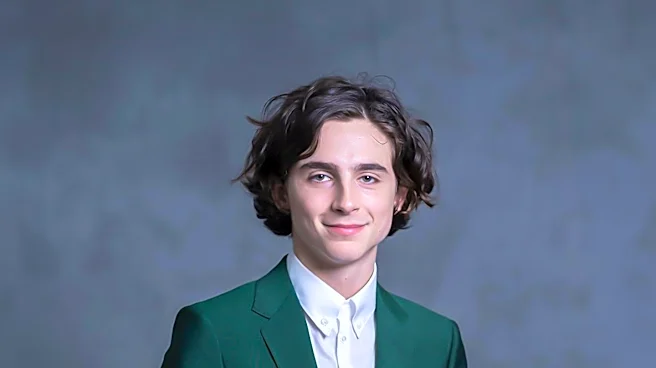
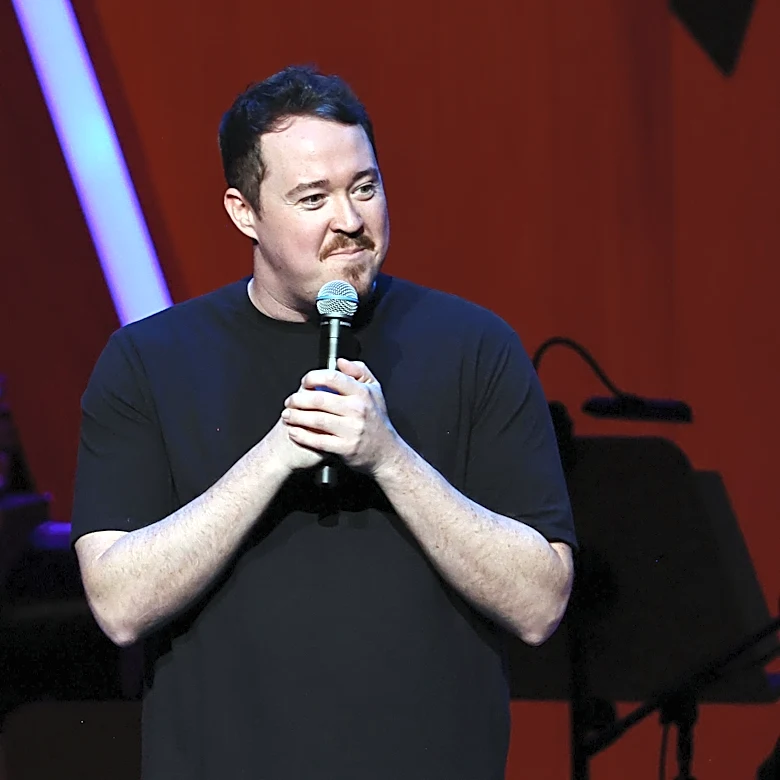
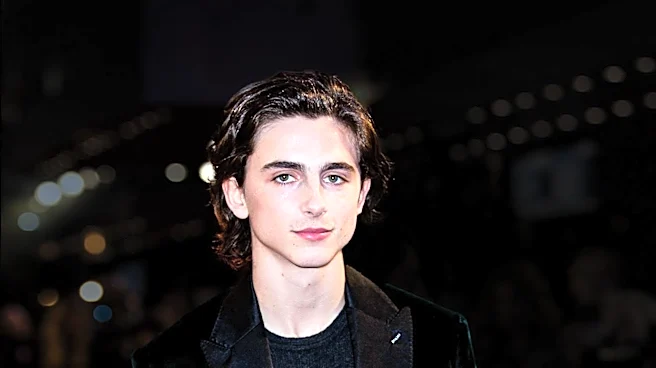
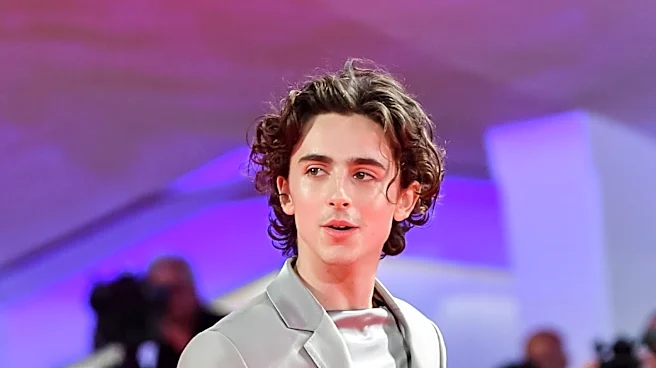
Vanity Fair Global Editorial Director Mark Guiducci is defending his recent cover profile of actor Timothée Chalamet, which has drawn criticism for its lack of substantive quotes from the star. The article, intended for the magazine's holiday issue, featured
Chalamet in an Icelandic photoshoot but only included a 90-minute interview conducted in Guiducci's one-bedroom apartment. During the interview, Chalamet reportedly gave minimal responses, such as 'Okay, pass' and 'I'm going to pull a Frank Ocean and be mysterious.' Guiducci explained to Page Six that the unusual interview setting was chosen because Chalamet 'can't go many places in public,' and he hoped that revealing a bit of himself would encourage Chalamet to do the same. Despite the terse responses, Guiducci described Chalamet as a 'lovely houseguest' who was polite and drank tap water.
Why It's Important?
This situation highlights the evolving dynamics between celebrity access and journalistic expectations in the entertainment industry. As celebrities gain more control over their public image, direct and revealing interviews become increasingly rare. For publications like Vanity Fair, securing a high-profile cover star like Chalamet is crucial for readership and cultural relevance. However, if the resulting content fails to deliver the anticipated insights, it can lead to public and critical backlash, as seen with the 'excruciating' and 'terse' descriptions of the profile. This trend could impact how celebrity journalism is conducted, potentially shifting focus from in-depth interviews to more curated, visual content or personal essays, thereby altering the public's perception of celebrity authenticity and accessibility.
What's Next?
The controversy surrounding the Timothée Chalamet profile may prompt further discussion within the media industry regarding the value and format of celebrity interviews. Vanity Fair and other publications might re-evaluate their strategies for engaging with high-profile figures, potentially exploring new approaches to content creation that balance celebrity privacy with audience demand for genuine insight. Guiducci himself stated that there's a new rule at Vanity Fair requiring every editor to write a feature at least once a year, which he believes fosters respect for writers and humility. This internal policy could lead to more varied editorial voices and potentially different interview styles in future issues.
Beyond the Headlines
The incident reflects a broader cultural phenomenon where celebrity personas are meticulously managed, often leading to a perceived lack of authenticity. In an era dominated by social media, where celebrities can directly control their narratives, traditional media outlets face the challenge of offering unique value. The comparison of Chalamet to figures like Marlon Brando and Leonardo DiCaprio, known for their guarded public personas, suggests a recurring pattern among mega-stars. This trend raises questions about the future of celebrity journalism and whether audiences will continue to seek deep dives into the lives of stars who prefer to remain enigmatic, or if the focus will shift entirely to their artistic output and curated public appearances.