





What's Happening?
The U.S. fashion industry is experiencing a significant transformation through the integration of wearable technology and avant-garde apparel. This movement is characterized by designers engineering garments that interact with the environment and the wearer,
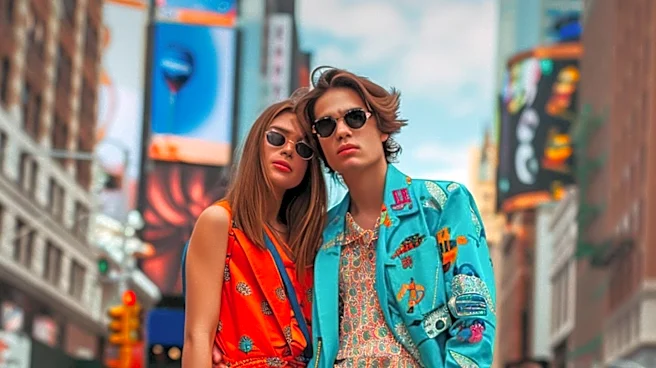
moving beyond traditional aesthetics to create functional and artistic pieces. Collaborations between software engineers and clothing designers are becoming common, with major tech companies sponsoring fashion shows to showcase innovations like flexible screens and micro-batteries. New York Fashion Week has become a key platform for demonstrating these technological advancements, featuring garments that react to music, unfold with motorized hinges, or display digital art on flexible LED screens. This fusion of technology and fashion is also driving a focus on clothing longevity, with smart garments designed for software updates rather than frequent replacement, aiming to reduce textile waste in American landfills. The United States, particularly New York and Silicon Valley, is at the forefront of this trend, fostering an environment where creative vision meets advanced hardware.
Why It's Important?
This convergence of fashion and technology holds significant implications for the U.S. economy and society. It is creating new job opportunities in interdisciplinary fields, requiring expertise in both design and engineering. The emphasis on clothing longevity through software-updatable garments could lead to a substantial reduction in textile waste, addressing a major environmental concern and potentially influencing consumer behavior towards more sustainable consumption. The high receptivity of American consumers to new technology provides a robust market for brands willing to innovate, fostering economic growth within the fashion and tech sectors. Furthermore, the use of avant-garde tech-infused garments to explore themes like privacy, isolation, and digital connectivity on runways reflects and shapes cultural dialogues around technology's role in daily life. This trend is redefining personal expression and pushing the boundaries of what clothing can achieve, impacting how Americans interact with their attire and the digital world.
What's Next?
The integration of wearable technology into fashion is expected to continue its expansion from high-end runway art to mainstream streetwear. Heated jackets and self-lacing athletic shoes are just the beginning, with future developments likely to include shirts that adjust color based on mood or weather, and app-controlled clothing allowing digital customization. The gap between exclusive gallery exhibitions and retail stores is rapidly closing, indicating that wearable tech will transition from a luxury novelty to a daily expectation for many consumers. This shift will empower individuals to customize their appearance digitally, appealing to a generation raised in the digital age. The ongoing investment in research and development by U.S. brands will ensure the American fashion industry remains a dominant global force. Additionally, the focus on sustainability through innovations like 3D printing for zero-waste garments and bio-engineered materials suggests a future where fashion actively contributes to environmental solutions.
Beyond the Headlines
Beyond the immediate commercial and environmental impacts, the rise of interactive clothing has profound psychological and ethical implications. When clothing actively responds to its environment, it becomes an extension of the wearer's body, fostering a deeper emotional connection between the designer, garment, and individual. This blurs the line between human and machine, prompting society to rethink identity in an increasingly digital world. Ethically, the use of technologies like facial recognition blocking in garments raises questions about surveillance culture and individual privacy. The ability of clothing to nonverbally communicate emotional states could alter social interactions and self-expression. Moreover, the push for sustainability through technological solutions, such as upcycled electronic components and solar-powered clothing, highlights a growing awareness of electronic waste and the fashion industry's environmental footprint. This movement challenges traditional notions of fashion as purely aesthetic, elevating it to a medium for profound conceptual art and a tool for addressing societal and environmental challenges.