




What's Happening?
Tomi Adeyemi, author of the debut novel 'Children of Blood and Bone', has publicly stated her refusal to watch the upcoming film adaptation of her book. Adeyemi has voiced numerous grievances regarding the film's production process, describing the experience
as 'the worst thing I've ever had to live through' and alleging that she was 'antagonized behind the scenes'. She shared these sentiments in a TikTok post in late July and further elaborated on her complaints in an interview with The Guardian. The film, directed by Gina Prince-Bythewood, is scheduled for theatrical release on January 15, 2027. Adeyemi indicated that the director makes all casting decisions and expressed disinterest in adapting any of her other books for the screen.
Why It's Important?
This situation highlights significant tensions that can arise between authors and film studios during the adaptation process, particularly when creative control is a point of contention. For the entertainment industry, such public disagreements can impact the perception of a film before its release, potentially affecting box office performance and audience reception. It also raises questions about the rights and influence authors retain over their intellectual property once it's optioned for film. For fans of 'Children of Blood and Bone', Adeyemi's stance could create a divide, with some supporting the author's artistic integrity and others eager to see the film regardless. This incident could influence future contractual negotiations between authors and studios, potentially leading to more explicit clauses regarding creative input and control for original creators.
What's Next?
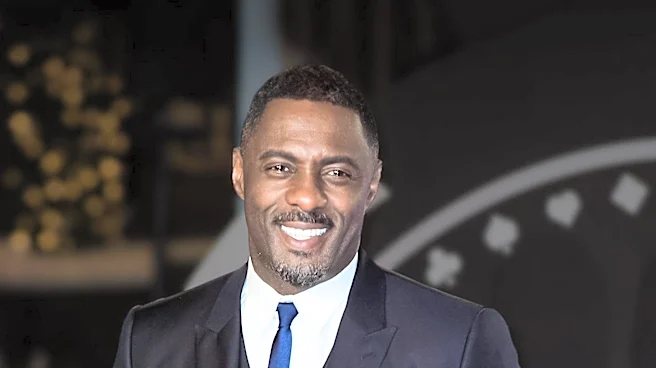
The film adaptation of 'Children of Blood and Bone' is slated for release on January 15, 2027. Leading up to this date, it is likely that media attention will continue to focus on the ongoing narrative surrounding Tomi Adeyemi's dissatisfaction and the film's production. The director, Gina Prince-Bythewood, and the studio may choose to address Adeyemi's comments, or they may opt to focus on promoting the film's artistic merits and its cast, which includes Thuso Mbedu, Damson Idris, Idris Elba, and Viola Davis. The public's reaction to the film upon its release will be crucial, as it will determine whether the controversy overshadows the cinematic experience or if the film manages to stand on its own. This situation could also set a precedent for how similar author-adaptation disputes are handled in the future.
Beyond the Headlines
This conflict delves into the complex dynamics of creative ownership and artistic interpretation when a literary work is translated to another medium. It underscores the challenge of balancing an author's original vision with the demands and creative liberties of filmmaking. The public nature of Adeyemi's grievances also brings to light the power imbalances that can exist between individual creators and large production studios. Ethically, it prompts a discussion about the responsibility of studios to honor the spirit of the source material and to engage respectfully with the original author. Culturally, it reflects the growing importance of intellectual property in the digital age and the passionate connection fans have with beloved book series, making any perceived deviation from the source material a significant event.