



What's Happening?
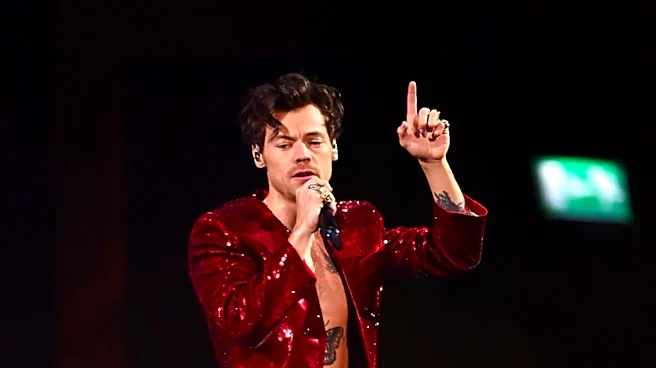
Harry Styles' concerts have become a focal point for a unique fan phenomenon known as 'cult concert dressing.' His fanbase, primarily young women, are increasingly adopting elaborate and themed outfits for his shows, moving away from traditional concert attire.
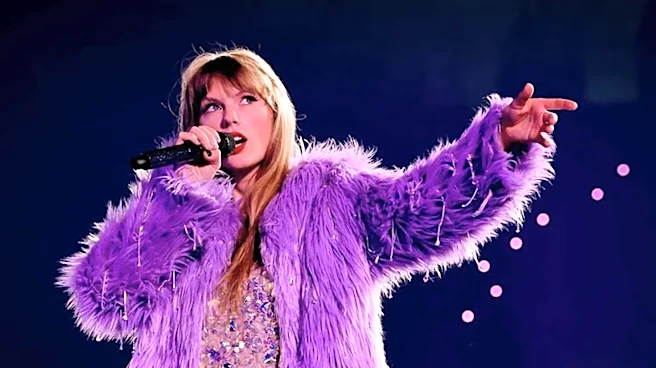
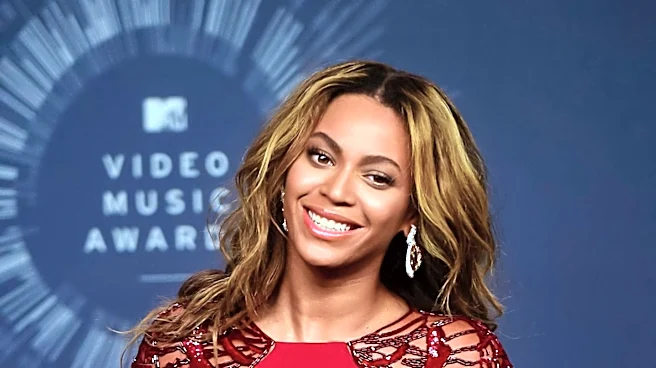
This trend emphasizes belonging to a community rather than seeking individual attention from the artist. For instance, at a recent Wembley Stadium concert, a significant portion of attendees were dressed in similar styles, such as pink cowboy hats and feather boas. This shift in fan behavior is also observed with other major pop artists like Taylor Swift and Beyoncé, where fans engage in activities like making and swapping friendship bracelets or adhering to specific dress codes, such as wearing silver for Beyoncé's Renaissance tour. The focus has shifted from personal fantasy, as seen in past fanfiction, to a collective experience and shared identity among concert-goers.
Why It's Important?
This evolving trend in concert dressing signifies a broader cultural shift in how fans engage with live music and celebrity. It highlights the growing importance of community and shared experience in an increasingly digital world. For artists, this phenomenon can foster deeper fan loyalty and create a more immersive and memorable concert atmosphere, potentially leading to increased merchandise sales and sustained engagement. For the fashion industry, it creates new micro-trends and demands for specific types of apparel and accessories, influencing fast fashion and niche markets. Economically, fans are dedicating significant time and money beyond ticket purchases to curate these elaborate outfits, contributing to various sectors, from costume suppliers to online retailers. This collective expression also offers a sense of belonging for a generation often characterized by online interactions and isolation, transforming a commercial event into a social ritual.
What's Next?
The trend of cult concert dressing is likely to continue evolving and expanding across the pop music landscape. Artists and their marketing teams may increasingly incorporate and even encourage specific dress codes or themes for their tours, further solidifying this fan engagement strategy. We can anticipate more elaborate and creative fan-driven fashion trends emerging, potentially influencing mainstream fashion and social media content. Event organizers might also adapt by providing more interactive spaces or photo opportunities that cater to these dressed-up fans. The commercialization of this trend is also expected to grow, with more official and unofficial merchandise designed to fit these aesthetic landscapes. This could lead to new collaborations between artists and fashion brands, further blurring the lines between music, fashion, and fan culture.
Beyond the Headlines
Beyond the immediate spectacle, cult concert dressing reflects deeper sociological and psychological implications. It speaks to a generation's desire for authentic connection and belonging in an era often marked by digital detachment. The act of dressing up becomes a ritual, a way to physically manifest shared identity and collective enthusiasm, offering a tangible sense of community that transcends online interactions. This phenomenon also subtly challenges traditional notions of celebrity worship, as fans prioritize connection with each other over direct validation from the artist. While commercial aspects are undeniable, the underlying drive appears to be a search for shared experience and a collective narrative, transforming individual fandom into a powerful, visible, and communal expression. It highlights how cultural consumption can become a vehicle for social bonding and identity formation.