




What's Happening?
Gardening Know How has provided comprehensive guidance on how to winterize raised garden beds to ensure their longevity and productivity for the upcoming spring season. The article emphasizes that raised beds, due to their elevated position, are more
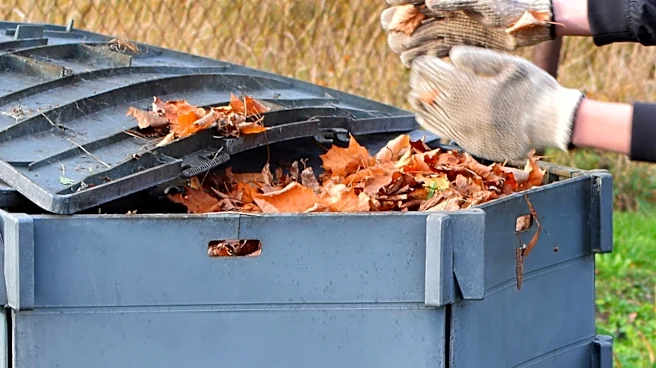
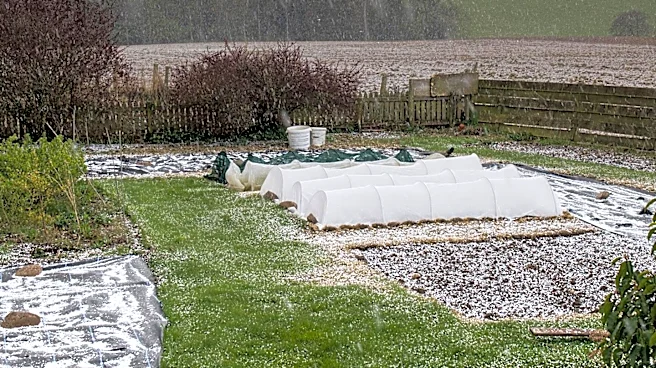
susceptible to rapid cooling, winter winds, and nutrient leaching from seasonal rainfall. Neglecting winter preparation can lead to drainage issues and depleted soil. Key recommendations include clearing spent annual vegetables and persistent weeds, while leaving healthy annual roots to decompose. Nourishing the soil is crucial, involving the gentle loosening of compacted soil and spreading a 2-3-inch layer of aged organic compost, leaf mold, or well-rotted manure. Depending on soil tests, slow-acting mineral amendments like rock phosphate or garden lime may also be added. The guide also suggests adding winter mulch, such as shredded leaves or straw, or planting cover crops like winter rye in milder regions to protect the soil from erosion and temperature fluctuations. Additionally, it advises protecting vulnerable perennials and bulbs from frost heave and pests, and inspecting the raised bed frames for structural integrity and drainage issues.
Why It's Important?
Proper winterization of raised garden beds is vital for U.S. gardeners as it directly impacts the success of future harvests and the sustainability of gardening practices. By protecting soil from erosion and nutrient loss, gardeners can maintain soil fertility, reducing the need for extensive amendments in the spring. This practice also extends the life of the raised bed structures themselves, saving gardeners time and money on repairs or replacements. For those in colder regions, winterizing prevents frost heave, which can damage plant roots and compromise soil structure. The use of cover crops and organic mulches promotes soil health by encouraging microbial activity and preventing weed growth, aligning with sustainable gardening principles. Ultimately, these steps contribute to more bountiful harvests, healthier plants, and a more resilient garden ecosystem, benefiting both individual gardeners and the broader environment by reducing reliance on external inputs.
What's Next?
Gardeners are encouraged to assess their specific climate and raised bed conditions to tailor winterization strategies. In northern regions, completing prep before the soil freezes is critical, typically by late November. In milder southern areas, the focus shifts to suppressing cool-season weeds and preventing nutrient washout. Regular inspection of soil moisture and drainage throughout the winter is also recommended. As spring approaches, gardeners will need to prepare their beds for planting, which may involve turning in cover crops or refreshing mulch layers. The ongoing maintenance of raised beds, including monitoring soil health and structural integrity, will ensure their continued productivity for many seasons to come. The article implicitly encourages a proactive and informed approach to gardening, emphasizing long-term soil health over short-term fixes.
Beyond the Headlines
The detailed advice on winterizing raised beds reflects a broader trend towards more mindful and sustainable gardening practices in the U.S. It highlights the importance of understanding local environmental conditions and adapting gardening techniques accordingly. This approach moves beyond simply planting and harvesting to encompass a holistic view of garden management, where soil health is paramount. The emphasis on organic amendments and cover crops aligns with ecological principles, promoting biodiversity and reducing the environmental footprint of gardening. Furthermore, the guidance on protecting vulnerable plants and structures underscores the value of preventative care, which can lead to greater success and satisfaction for gardeners. This shift towards sustainable practices not only benefits individual gardens but also contributes to a larger movement of environmental stewardship and local food production.