








What's Happening?
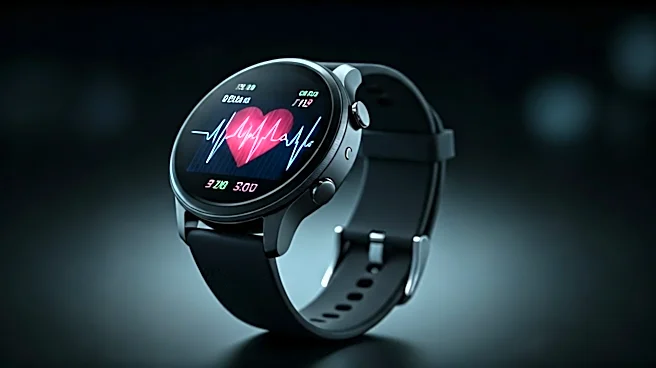
The increasing use of smartwatches and other wearable health-monitoring devices is linked to heightened anxiety, particularly health anxiety, among users. Experts, including Dr. Lindsey Rosman from the University of North Carolina School of Medicine,
highlight that while these devices provide valuable health insights, they can also lead to unnecessary panic and anxiety. This is especially true when users receive frequent health alerts or compulsively check their health metrics. Cognitive behavioral therapy (CBT) is recommended as an effective treatment for managing health anxiety, helping individuals to accept uncertainty and reframe health-related worries. Experts suggest strategies such as turning off health-related alerts, reducing the frequency of checking health metrics, and focusing on long-term trends rather than isolated data points to mitigate anxiety.
Why It's Important?
The widespread use of wearable health devices has significant implications for public health and the healthcare system. While these devices can empower users by providing health data, they also risk causing anxiety and unnecessary medical consultations, which can burden healthcare resources. The potential for wearables to widen health disparities is also a concern, as they are often marketed to higher-income consumers. Understanding how to use these devices without inducing anxiety is crucial for both individual well-being and the efficient functioning of healthcare systems. The insights provided by experts can help users make informed decisions about their use of wearable technology, potentially reducing anxiety and improving overall health outcomes.
What's Next?
As the use of wearable health devices continues to grow, further research is needed to understand their psychological impact and to develop guidelines for their use in clinical settings. Dr. Rosman and her team plan to investigate the benefits and potential health risks of specific wearable health features, particularly for patients with pre-existing heart conditions. This research could inform future recommendations and help healthcare providers better manage wearable data in clinical practice. Additionally, there is a need for public education on the appropriate use of wearables to prevent anxiety and ensure equitable access to their benefits.
Beyond the Headlines
The ethical and cultural implications of wearable health technology are significant. As these devices become more integrated into daily life, they challenge traditional notions of health monitoring and personal responsibility. The potential for wearables to exacerbate health disparities highlights the need for thoughtful consideration of access and affordability. Moreover, the psychological effects of constant health monitoring raise questions about the balance between technological advancement and mental health. Addressing these issues requires collaboration between technology developers, healthcare providers, and policymakers to ensure that wearables contribute positively to public health.