






What's Happening?
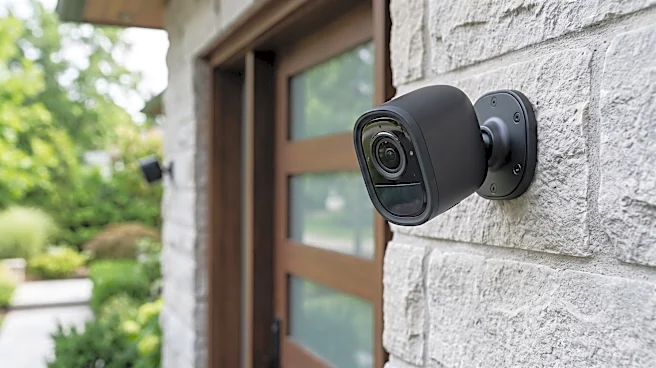
CNET has released its comprehensive review of the best wireless home security cameras for 2026, naming the Anker Eufy C35 Indoor/Outdoor Camera as the top overall choice. The Eufy C35, priced at $70, is lauded for its blend of features and affordability,
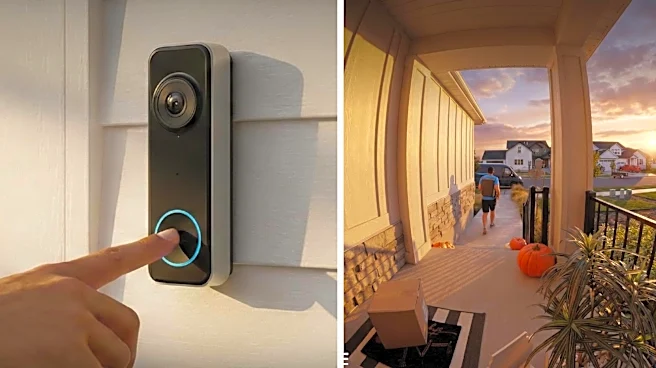
offering a compact design, magnetic mount, optional solar panel, and free AI detection capabilities. It also supports no-subscription local video storage, setting it apart from many competitors. Other notable cameras include the Blink Outdoor 2K+ for its extended battery life, the Arlo Essential Solar Security Camera 2K for solar power integration, and the Google Nest Doorbell Battery Model (2nd-gen) for doorbell functionality with free cloud storage. CNET's evaluation considered factors such as resolution, night vision, latency, extra features, general performance, and overall value, with hands-on testing conducted in real home environments.
Why It's Important?
The proliferation of wireless home security cameras reflects a growing consumer demand for accessible and flexible home protection solutions in the U.S. market. CNET's detailed analysis provides crucial guidance for American consumers navigating a crowded market, helping them make informed purchasing decisions based on their specific needs and budgets. The emphasis on features like AI detection, local storage options, and solar power integration indicates a shift towards more advanced and self-sufficient security systems. Companies offering subscription-free models, like Eufy, stand to gain a competitive edge by appealing to cost-conscious consumers. Conversely, brands relying heavily on subscription models for advanced features, such as Arlo, may face challenges in attracting users who prefer one-time purchases or lower ongoing costs. This trend also highlights the increasing importance of data privacy and local storage capabilities, as consumers become more aware of the implications of cloud-based data storage.
What's Next?
The home security camera market is expected to continue evolving with further advancements in AI and smart home integration. Consumers can anticipate more sophisticated AI features, such as enhanced object recognition and video description, becoming standard, though often tied to subscription services. The integration of security cameras with broader smart home platforms like Amazon Alexa, Google Home, and Apple HomeKit will likely become more seamless, offering users centralized control over their home ecosystems. Manufacturers will likely focus on improving battery life and exploring alternative power sources, such as more efficient solar panels, to enhance convenience and reduce maintenance. The ongoing debate around data privacy and security will also drive innovation, with a potential increase in demand for cameras offering robust local storage and transparent privacy policies.
Beyond the Headlines
The rise of advanced wireless home security cameras, particularly those with AI capabilities, extends beyond mere property protection. It touches upon broader societal implications concerning privacy, surveillance, and the ethical use of technology. While features like facial recognition and package detection offer convenience and enhanced security, they also raise questions about data collection, potential misuse, and the erosion of personal privacy. The choice between local and cloud storage reflects a fundamental tension between convenience and control over personal data. As these technologies become more ubiquitous, there will be an increasing need for clear regulations and industry standards to address these ethical considerations. The ability of these cameras to integrate with smart home systems also contributes to the larger trend of interconnected living, where data from various devices can be aggregated, potentially creating comprehensive digital profiles of individuals and their habits.