






What's Happening?
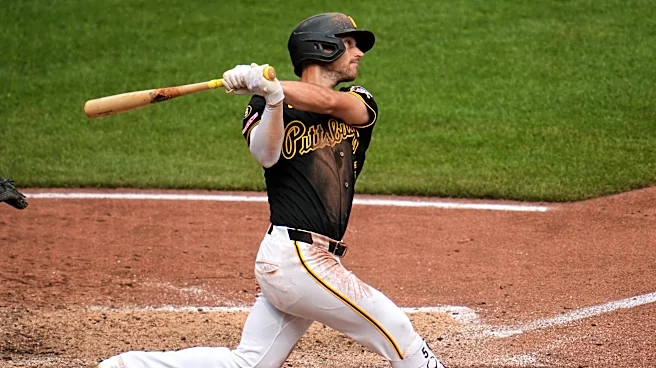
The Pittsburgh Pirates, under General Manager Ben Cherington, have seen several players make their Major League Baseball debuts, including Nick Gonzales, Henry Davis, Endy Rodriguez, and Quinn Priester. This period, which is approaching 1,000 games for
Cherington, has been characterized by a series of losing seasons for the team. Despite the team's overall performance, the organization has focused on developing talent and securing key players, such as Reynolds, who signed an eight-year, $106.75 million contract. The 2020 draft, which occurred during a pandemic-shortened season, also yielded significant prospects like Nick Gonzales, Carmen Mlodzinski, and Jared Jones, who were all inked by the Pirates. The biggest storyline during this time was the selection of Paul Skenes as the No. 1 overall pick, who quickly progressed through the minor league system.
Why It's Important?
The focus on player development and securing long-term contracts, even amidst a period of consistent losses, highlights a strategic shift within the Pittsburgh Pirates organization. This approach aims to build a sustainable future for the team by cultivating homegrown talent rather than relying solely on external acquisitions. For fans and stakeholders, this strategy implies a long-term vision, potentially sacrificing immediate success for future competitiveness. The debut of multiple prospects, including Nick Gonzales, indicates that the system is producing players capable of reaching the major league level, which is crucial for the team's rebuilding efforts. The financial commitment to players like Reynolds also signals a willingness to invest in core talent, which can be a significant factor in retaining key players and attracting others in the future.
What's Next?
The Pittsburgh Pirates are expected to continue their strategy of player development and integration of prospects into the major league roster. The ongoing progression of players like Nick Gonzales and Paul Skenes will be closely watched as the team aims to improve its performance in upcoming seasons. The organization will likely continue to evaluate its roster and make decisions regarding player contracts and potential trades to optimize its competitive position. The success of these young players will be critical in determining the future trajectory of the team and the effectiveness of Cherington's long-term strategy. Fans will be looking for signs of improvement and a shift towards a winning record as the developed talent matures.
Beyond the Headlines
The Pirates' prolonged period of losing, despite efforts in player development, raises broader questions about the challenges faced by smaller market teams in Major League Baseball. The strategy of building through the draft and minor league system is often a necessity for such teams, but it requires significant patience from ownership and the fanbase. The ability to retain top talent, especially when they become eligible for larger contracts, remains a critical hurdle. The success or failure of this long-term rebuilding effort could influence how other small-market teams approach their own development and financial strategies, potentially impacting the competitive balance within the league. The narrative of a team enduring losses for future gains is a common one in sports, and the Pirates' journey will serve as a case study for this approach.