







What's Happening?
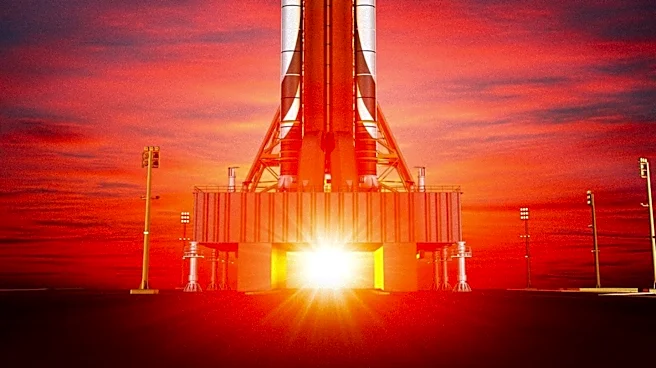
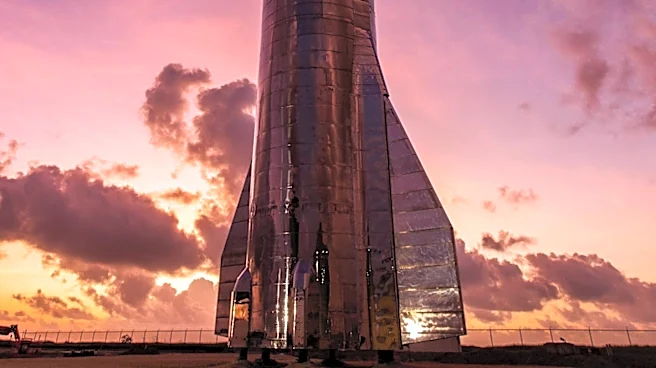
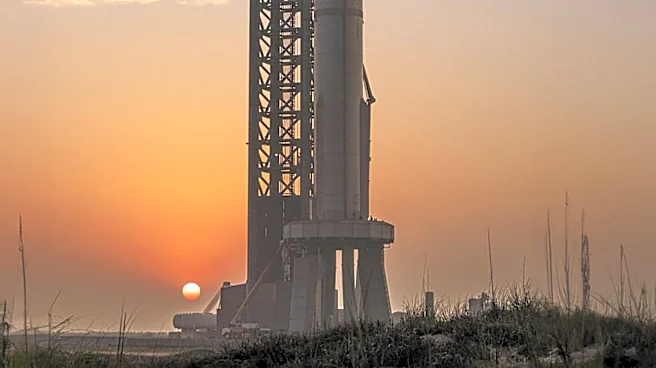
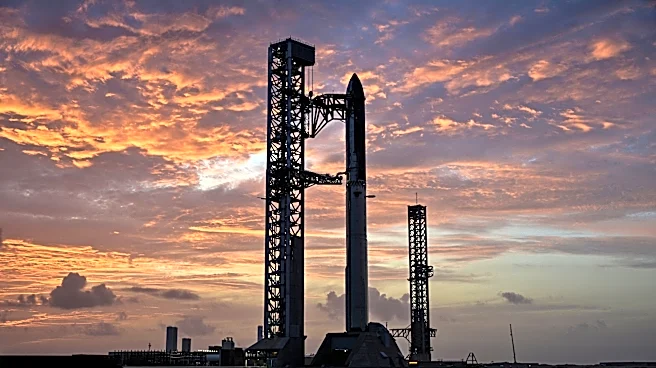
SpaceX's Starship Flight 13 was halted just seconds before liftoff due to an unexpected technical issue. The launch, which was set to take place at SpaceX's South Texas site, was intended to further test the Starship spacecraft and Super Heavy booster.
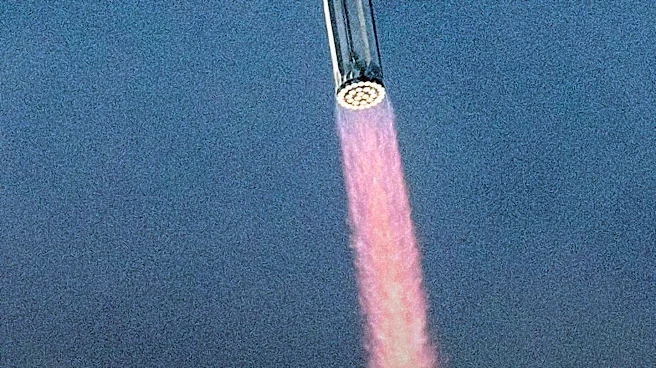
The automatic abort occurred as the Super Heavy booster was preparing to ignite its Raptor engines, preventing the rocket from launching. Engineers are now reviewing telemetry and operational data to determine the cause of the interruption. This incident underscores the complexity of launching such a large integrated vehicle and highlights the importance of automated systems in modern spaceflight. SpaceX's approach to development involves rapid testing cycles to identify and address issues, thereby improving vehicle reliability and operational procedures.
Why It's Important?
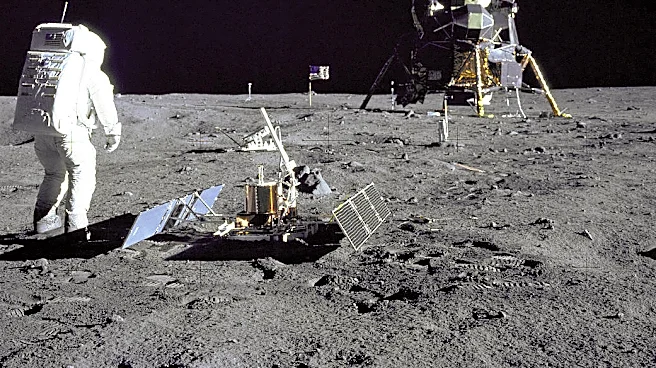
The aborted launch of SpaceX's Starship Flight 13 is significant as it reflects the challenges and complexities involved in developing a spacecraft intended for future lunar and Mars missions. Each test provides critical data that informs improvements in propulsion systems, flight operations, and vehicle performance. The Starship is a key component of SpaceX's long-term plans and is also part of NASA's Artemis program for lunar exploration. The ability to quickly identify and rectify issues is crucial for maintaining the development timeline and ensuring the spacecraft's readiness for more ambitious missions. The incident also highlights the role of automated systems in preventing potential hardware damage, which is vital for the safety and success of future launches.
What's Next?
Following the abort, SpaceX engineers are conducting a detailed investigation to understand the cause of the issue. Elon Musk, SpaceX's CEO, announced that two Raptor engines would be replaced to ensure a successful future launch. The company aims to resume the launch schedule as early as next week, demonstrating its commitment to a fast-paced development process. The findings from this investigation will be used to enhance the confidence and reliability of the Starship system before the next attempt. The space industry is closely monitoring Starship's progress, as its success is pivotal for future missions beyond Earth's orbit.