



What's Happening?
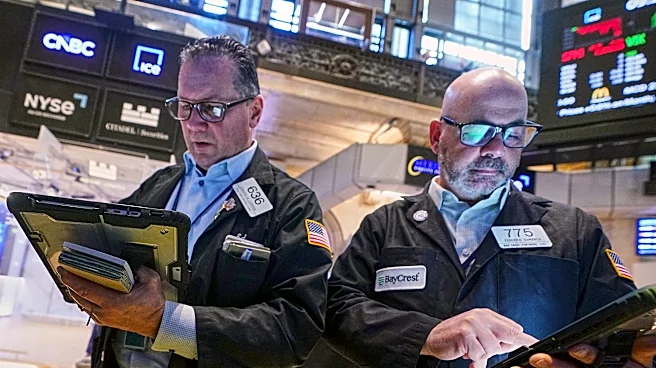
Wall Street is increasingly incorporating new catastrophe models to predict military conflicts, as traditional risk models prove inadequate in the face of rising global tensions. According to the Institute for Economics and Peace, the number of countries
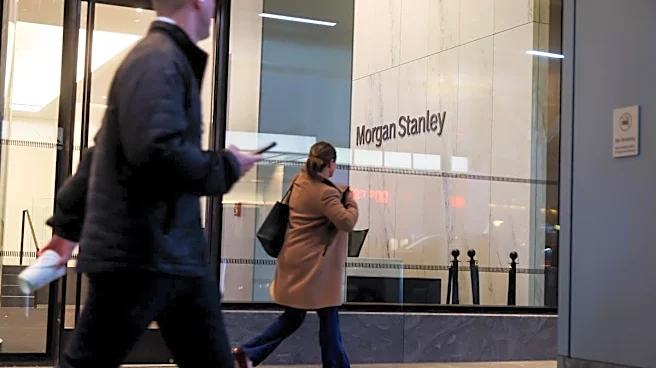
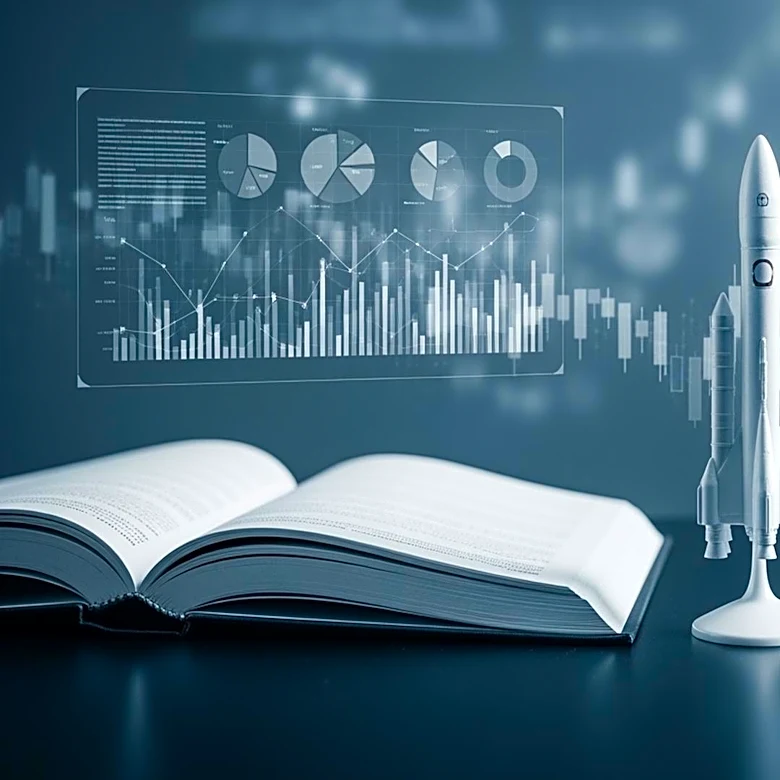
involved in external conflicts has nearly doubled since 2008, significantly impacting the global economy. Financial institutions like Citigroup and Morgan Stanley are re-evaluating their risk assessment strategies, moving away from historical data models to more predictive approaches. Verisk Maplecroft has introduced a Predictive War Index, using machine learning to forecast the likelihood of wars, while RAND Corporation employs AI to estimate regime changes.
Why It's Important?
The shift towards predictive catastrophe models is crucial for the finance industry, as geopolitical instability increasingly affects economic variables such as oil prices and mortgage costs. By adopting these models, financial institutions can better anticipate and mitigate risks associated with military conflicts, thereby protecting investments and maintaining market stability. This development underscores the growing importance of integrating geopolitical risk assessments into financial decision-making processes, as businesses and insurers seek to navigate a fragmented and volatile global landscape.
Beyond the Headlines
The adoption of new catastrophe models by Wall Street highlights a broader trend of integrating advanced analytics and machine learning into risk management. This shift reflects a recognition of the limitations of traditional models in predicting complex geopolitical events. As these models become more sophisticated, they may influence policy decisions and strategic planning, offering insights into potential conflict scenarios and their economic implications. The finance industry's embrace of these tools could also drive innovation in other sectors, as businesses seek to enhance their resilience against geopolitical shocks.