




What's Happening?
Feng shui, an ancient Chinese practice, is being highlighted for its potential to reduce stress by organizing spaces to optimize energy flow. Closets by Design reports that strategic placement of plants is key to maintaining balance and attracting positive
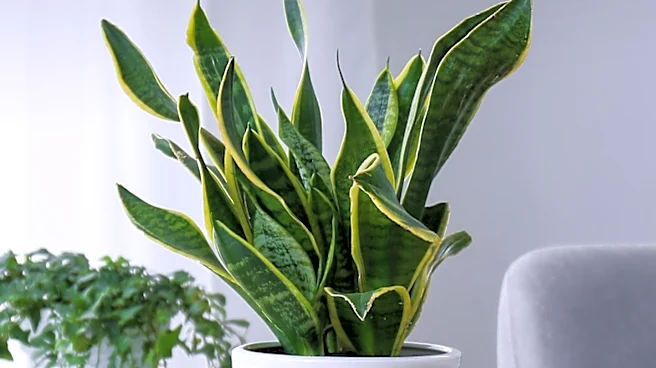
'qi' (energy). For instance, lucky bamboo should be positioned in the eastern sector of a home to enhance health and strength. Jade plants, symbolizing richness, are recommended for the southeastern part of a home, which is considered the zone of wealth in feng shui. Orchids, particularly Oncidium and Phalaenopsis varieties, are best placed in bedrooms or studies to foster relationships and academic pursuits. The practice emphasizes avoiding overcrowding spaces with too many plants, as this can create cluttered and stagnant energy. Additionally, plants must be healthy and well-cared for, as wilted or dead plants are believed to attract negative energy. Specific care instructions are also noted, such as allowing jade and money plants to have dry periods between waterings, while flamingo lilies prefer consistently moist soil.
Why It's Important?
The application of feng shui principles, particularly through plant placement, offers a holistic approach to well-being that can impact individuals' daily lives. By reducing stress and promoting positive energy, these practices can contribute to improved mental and emotional health. For businesses, understanding and incorporating such principles in office environments could potentially lead to a more harmonious and productive workspace, influencing employee morale and overall efficiency. The emphasis on specific plant care also highlights a broader trend towards mindful living and connecting with nature, which can have societal benefits by encouraging environmental awareness and sustainable practices. Furthermore, the cultural significance of these plants and their placement underscores the importance of cultural traditions in shaping personal and environmental interactions, offering insights into diverse approaches to well-being and prosperity.
What's Next?
As awareness of holistic well-being practices grows, there may be an increased interest in integrating feng shui principles into home and office design. This could lead to a greater demand for specialized interior design services that incorporate these concepts, as well as a rise in educational resources on plant care tailored to feng shui guidelines. Retailers of plants and home decor might also see a shift in consumer preferences, with more individuals seeking specific plants and arrangements that align with feng shui recommendations. Additionally, the continued emphasis on maintaining healthy plants suggests a future trend towards sustainable gardening practices and a deeper appreciation for the role of living elements in creating balanced environments. This could also spur further research into the psychological and physiological benefits of such practices.
Beyond the Headlines
The integration of feng shui into modern living extends beyond mere aesthetics, touching upon deeper cultural and philosophical dimensions. It reflects a desire for harmony and balance in an increasingly fast-paced world, suggesting a societal yearning for practices that connect individuals with their environment on a more profound level. The belief that specific plant placements can influence wealth, health, and relationships highlights the enduring human quest for prosperity and well-being, often intertwined with symbolic representations. This practice also subtly encourages a more mindful interaction with one's surroundings, fostering a sense of responsibility for the energy and atmosphere within personal spaces. The emphasis on healthy plants can be seen as a metaphor for nurturing one's own life and environment, promoting a philosophy of care and attention that extends to all aspects of existence.