


What's Happening?
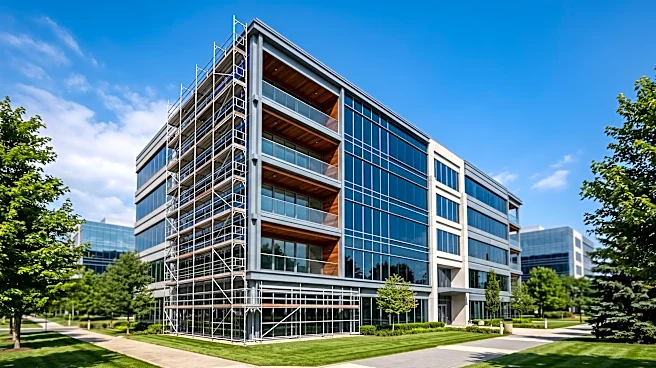
Windsor, Connecticut, is actively converting vacant office spaces into residential apartments due to a significant weakening of the office market and a subsequent reduction in the town's tax revenue. The Day Hill Corporate Area, a key business district,
reported an office vacancy rate of approximately 31% last year, with about 60% of its office space being marketed for lease or sale. This high vacancy rate contributed to a more than $2 million reduction in annual tax revenue following the town’s property revaluation. The town's Day Hill Corporate Area Planning Study identified a stronger demand for multifamily housing compared to traditional office space. Several conversion projects are either underway or have received town approval, particularly around Day Hill Road and Waterside Crossing. These projects collectively propose over 600 new apartments, with some developments also incorporating new construction alongside office reuse. Additionally, other building types, such as former hotels, are being converted into housing units.
Why It's Important?
This trend in Windsor reflects a broader national shift in real estate and urban planning, driven by the lasting impact of remote work on commercial office demand. The conversion of underutilized office buildings into residential units addresses multiple challenges: it revitalizes struggling commercial areas, mitigates tax revenue losses for municipalities, and helps meet the growing demand for housing, particularly multifamily units. For Windsor, this strategy aims to diversify its economic base by introducing more residential options, which can, in turn, support local businesses like restaurants and shops. The decline in property values and tax revenue from commercial properties can strain municipal budgets, affecting public services. By repurposing these spaces, towns like Windsor can stabilize their tax base and create more vibrant, mixed-use communities. This approach also offers a sustainable way to develop new housing without expanding urban sprawl, utilizing existing infrastructure.
What's Next?
The conversion projects in Windsor are expected to continue, with several already underway or approved. Town officials will evaluate each project individually, considering factors such as traffic impact, school capacity, and municipal services. Any tax-abatement agreements related to these conversions will require approval from the Town Council. While construction schedules for some projects have not yet been announced, the overall goal is to integrate housing and other uses into the Day Hill Corporate Area to support local commerce and create a more balanced community. This ongoing transformation will likely serve as a model for other municipalities facing similar challenges with vacant office spaces. The success of these projects could influence future zoning and development policies, encouraging more adaptive reuse of commercial properties across the U.S.
Beyond the Headlines
The shift from office to residential spaces in Windsor highlights a fundamental re-evaluation of urban land use in the post-pandemic era. Beyond the immediate economic and housing benefits, this trend could lead to more walkable, mixed-use neighborhoods, reducing reliance on single-purpose commercial zones. It also raises questions about the long-term viability of traditional office parks and the need for urban planning to be more agile and responsive to changing work patterns. The ethical implications include ensuring that new housing developments, particularly those receiving public support or tax abatements, contribute to affordable housing goals and do not exacerbate existing inequalities. Legally, these conversions often involve navigating complex zoning laws, building codes, and environmental regulations, especially concerning older structures. Culturally, the integration of residential units into formerly commercial areas could foster a stronger sense of community and local identity, transforming sterile business districts into lively urban centers.