



What's Happening?
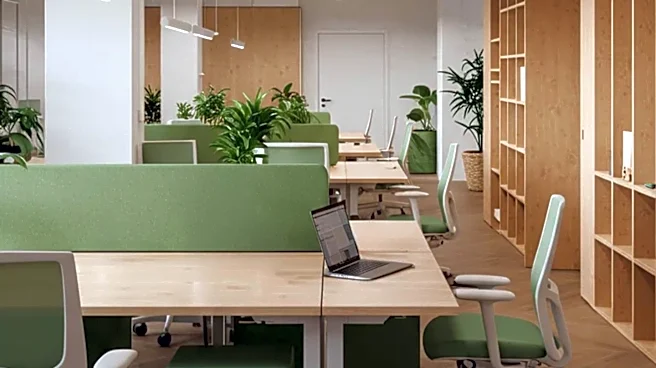
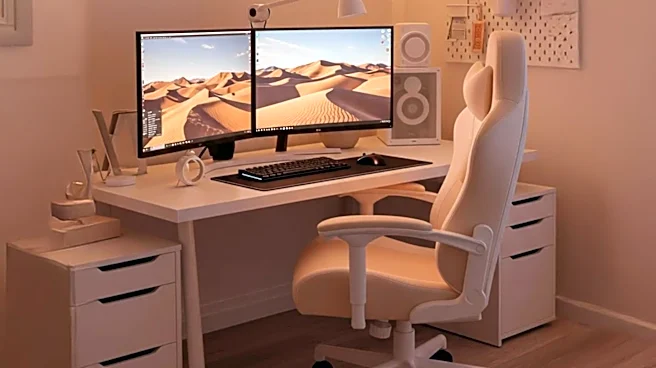
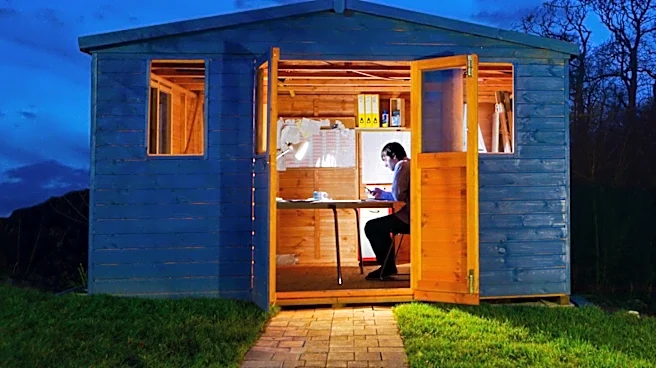
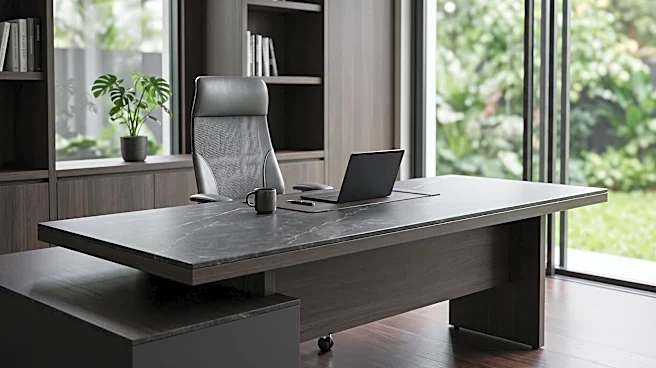
Setting up an effective home office involves strategic planning to reduce friction and enhance adaptability. Key recommendations include ensuring easy access to cables and assigning specific locations for frequently used items like headphones and chargers.
This minimizes the time spent on setup when switching tasks. Creating functional zones within a single room, rather than partitioning it, allows for different activities such as focused work, video calls, or collaborative tasks. The setup should be regularly reviewed and adjusted as work routines and technological needs evolve. For instance, a laptop stand can elevate a screen, freeing up desk space and improving ergonomics. The goal is to create a workspace that can easily transition between various demands without constant, time-consuming rearrangements.
Why It's Important?
The importance of an adaptable home office lies in its direct impact on productivity and well-being for remote workers. A well-organized and flexible workspace reduces daily frustrations, allowing individuals to maintain focus and efficiency across diverse tasks. By minimizing 'setup friction'—the small delays encountered when preparing for a new activity—workers can sustain momentum and avoid productivity dips. This adaptability is crucial in dynamic work environments where tasks, devices, and schedules frequently change. Furthermore, ergonomic considerations, such as adjustable chairs and proper keyboard/mouse positioning, are vital for long-term health, preventing strain and discomfort that can lead to decreased output and increased health issues. For businesses, supporting employees in creating effective home offices can lead to higher job satisfaction, reduced absenteeism, and improved overall performance.
What's Next?
As remote and hybrid work models continue to evolve, the emphasis on optimizing home office setups will likely increase. Future developments may include more integrated smart home office solutions that automate adjustments based on task type or time of day. There could also be a greater focus on modular furniture and accessories designed for quick reconfigurations, catering to the need for dynamic workspaces. Employers might offer more comprehensive guidelines or stipends for ergonomic equipment and home office improvements, recognizing the direct link between a well-equipped home office and employee productivity and retention. Additionally, innovations in cable management and wireless charging solutions will further reduce clutter and setup friction, making transitions between tasks even smoother.
Beyond the Headlines
Beyond the immediate benefits of productivity and comfort, the trend towards adaptable home offices reflects a broader shift in how we perceive and interact with our work environments. It highlights a move away from rigid, static workspaces towards more fluid, personalized setups that cater to individual work styles and evolving professional demands. This shift also underscores the psychological impact of physical space on mental well-being; a cluttered or inefficient workspace can contribute to stress and reduced cognitive function. The emphasis on 'functional zones' within a single room challenges traditional notions of dedicated office spaces, promoting a more integrated approach to living and working. This evolution could also spur innovation in home design, with architects and furniture designers creating more versatile and multi-functional pieces tailored for the modern remote worker.