






What's Happening?
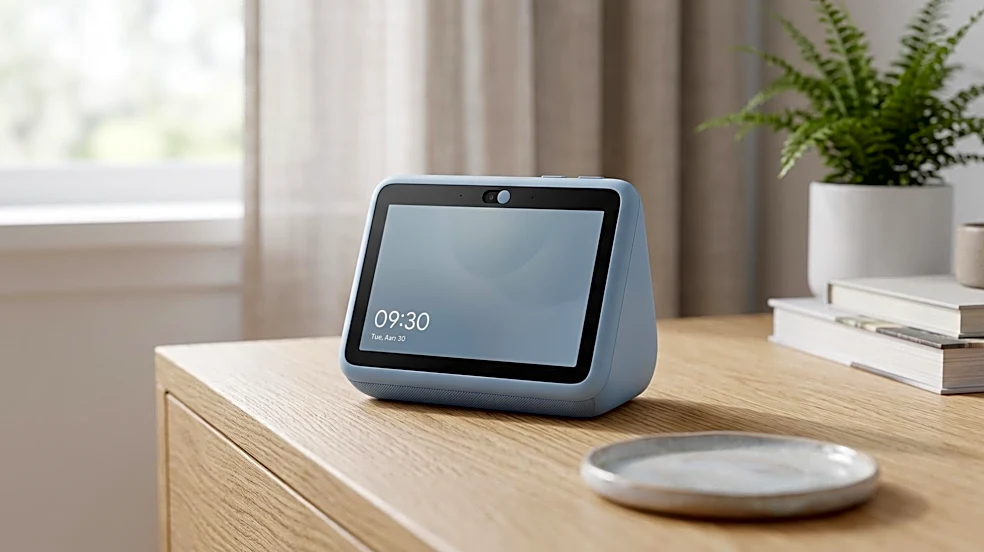
The Amazon Echo Show 5 (3rd Gen) is positioned as a compact, budget-friendly smart display designed for small spaces like nightstands, kitchen counters, or desks. Users frequently commend its clear 5.5-inch touchscreen and surprisingly robust sound quality
for its size, making it suitable for music, podcasts, and radio. The device also receives praise for its quick and simple setup process, even for first-time smart display users. A notable feature highlighted by privacy-conscious owners is the physical camera-off switch, which allows for direct blocking of the camera. Additionally, Voice Match for personalized responses is a supported feature that enhances convenience in multi-person households. The Echo Show 5 (3rd Gen) is available in multiple colors, including Charcoal, Glacier White, and Cloud Blue. However, common complaints include sluggish performance, with some users reporting delays between voice commands and responses, and generally slower processing. On-screen advertising and promotional content, along with frequent switching to notification screens, have also been sources of frustration for some reviewers. The device is Alexa-only, lacking support for Google Home, Apple HomeKit, or Samsung SmartThings, and it is not a Zigbee coordinator or Thread border router, though it does support Matter as a bridge. It also lacks temperature, humidity, or ambient light sensors, with motion and glass-breaking/smoke-CO sound detection requiring a subscription.
Why It's Important?
The performance and feature set of the Amazon Echo Show 5 (3rd Gen) are important for the smart home market, particularly for consumers seeking affordable entry points into smart display technology. The device's ability to deliver clear visuals and decent sound in a compact form factor at a budget-friendly price point makes it an attractive option for a broad consumer base. Its success or shortcomings can influence consumer expectations for future smart home devices, especially regarding the balance between cost, functionality, and user experience. The reported software slowdowns and on-screen advertising could impact user satisfaction and potentially deter some consumers from fully embracing the Amazon Echo ecosystem, highlighting a critical area for improvement in user interface design and performance optimization. The lack of broader smart home hub compatibility (beyond Matter as a bridge) also limits its integration capabilities within diverse smart home setups, potentially pushing users towards more versatile alternatives or requiring them to commit more deeply to Amazon's proprietary ecosystem. This could affect market competition and the adoption rates of different smart home standards.
What's Next?
Amazon will likely continue to refine the software and potentially address performance issues and advertising concerns in future updates or iterations of the Echo Show line. User feedback regarding sluggishness and intrusive ads could prompt Amazon to prioritize smoother operation and a less cluttered user interface to enhance customer satisfaction. Given the device's budget-friendly positioning, Amazon may also explore ways to integrate more advanced smart home hub functionalities or sensor capabilities in future models without significantly increasing the price, to better compete with other smart display offerings. The ongoing development of Matter support could also see the Echo Show 5 (3rd Gen) become a more central component in a wider range of smart home ecosystems, potentially expanding its appeal. Consumers can anticipate continued evolution in smart display technology, with a focus on improving responsiveness, privacy features, and seamless integration with other smart home devices, driven by competitive pressures and user demands for more intuitive and less intrusive experiences.
Beyond the Headlines
The mixed reception of the Amazon Echo Show 5 (3rd Gen) highlights a broader challenge in the smart home industry: balancing affordability with performance and user experience. The prevalence of on-screen advertising and potential software slowdowns in a budget device raises questions about the long-term sustainability of business models that rely on advertising within smart home ecosystems. This could lead to a consumer backlash if the perceived value of the device is diminished by intrusive ads or frustrating performance. Furthermore, the device's limited compatibility with other smart home platforms, despite supporting Matter as a bridge, underscores the ongoing fragmentation in the smart home market. This fragmentation can hinder widespread adoption and create friction for users attempting to build integrated smart homes. The emphasis on a physical camera-off switch, while a positive for privacy-conscious users, also reflects growing consumer concerns about data privacy and surveillance in an increasingly connected world. This trend suggests that future smart home devices will need to prioritize robust privacy features and transparent data handling practices to gain consumer trust and widespread acceptance.