




What's Happening?
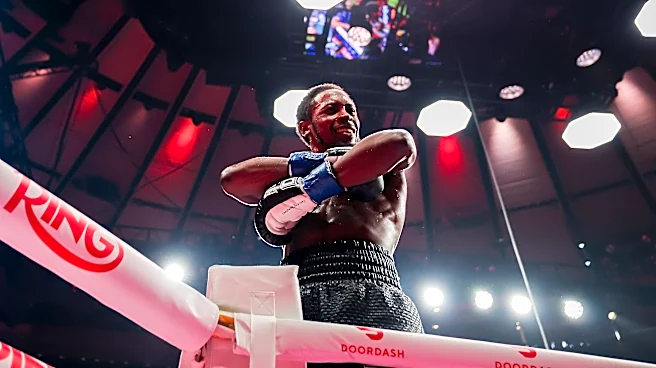
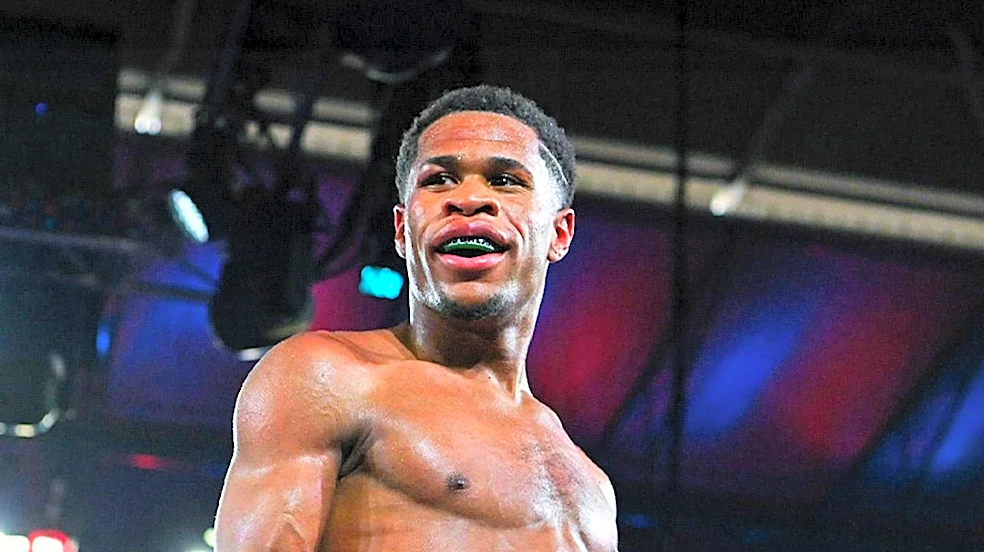
Negotiations for a highly anticipated boxing match between Devin Haney and Shakur Stevenson have collapsed, with both champions publicly blaming each other over disagreements regarding the fight's weight limit. Stevenson stated on X that Haney initially
agreed to 144 and then 145 pounds, but at the '11th hour,' Haney's lawyer insisted on 147 pounds. Haney countered, accusing Stevenson of going 'missing for days' after agreeing to 145 pounds and attempting to impose a rehydration clause. Both fighters have engaged in a prolonged social media exchange, with Stevenson calling Haney a 'weight bully' and Haney claiming he wasted six months negotiating. Bill Haney, Devin's father, indicated that a November 28 date in Atlanta was intended and an offer was made for a 145-pound limit, but Stevenson's team subsequently went quiet. Purse negotiations, with Haney reportedly opposing an equal split due to his pay-per-view history, also contributed to the stalemate.
Why It's Important?
The collapse of talks between Devin Haney and Shakur Stevenson is a significant disappointment for boxing fans and has broader implications for the sport. This was a highly anticipated matchup between two of boxing's elite, undefeated champions, and its failure to materialize deprives the sport of a potential classic. For both fighters, it means a missed opportunity to prove their dominance against a top-tier opponent and further elevate their careers. The public dispute over weight and purse splits highlights recurring challenges in boxing, where negotiations often falter due to disagreements on terms, frustrating fans who desire to see the best fight the best. This situation could also impact their individual career paths, as they will now need to seek alternative opponents, potentially delaying their ascent to undisputed status or major pay-per-view events. The inability to make such a significant fight also raises questions about the power dynamics and negotiation processes within professional boxing.
What's Next?
With the fight talks between Devin Haney and Shakur Stevenson having collapsed, both fighters will likely pursue alternative opponents. Stevenson's camp reportedly still has ongoing discussions with Gary Antuanne Russell for a potential title unification at 140 pounds, which could be his next move. Haney will also need to identify a new challenger for his welterweight title. The public nature of their dispute may lead to continued social media exchanges, keeping the rivalry alive, but an immediate fight between them seems unlikely. The boxing community will now watch to see how each fighter navigates their respective divisions and who they choose to face next, as they aim to maintain their championship status and build their legacies. The possibility of this fight happening in the future remains, but only if both sides can overcome the current disagreements on weight and financial terms.
Beyond the Headlines
The protracted and ultimately failed negotiations between Haney and Stevenson underscore a deeper issue within professional boxing: the difficulty of making high-profile fights due to complex contractual demands, promotional rivalries, and fighter egos. This situation is not unique and often leaves fans feeling disenfranchised when dream matchups fail to materialize. The public blame game played out on social media also reflects the modern landscape of sports, where fighters directly engage with fans and each other, sometimes exacerbating tensions rather than resolving them. Ethically, the inability of promoters and fighters to compromise for the sake of delivering the best product to fans raises questions about the sport's long-term health and its ability to consistently produce compelling events. This scenario highlights the need for greater collaboration and flexibility among stakeholders to ensure that the most anticipated fights actually happen, preserving the integrity and excitement of boxing.