







What's Happening?
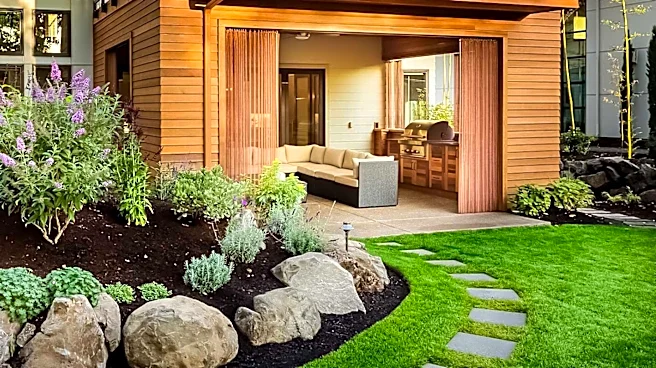
Current backyard landscaping trends emphasize practical and aesthetic improvements, including the installation of crushed stone or paver paths. Homeowners are increasingly incorporating low shrubs and ornamental grasses to create visually appealing and manageable
garden spaces. The creation of small retaining walls and the design of rock driveways are also popular choices for enhancing outdoor areas. A significant development in this field is the growing use of AI landscape design applications, which offer instant, professional-quality results for planning and visualizing backyard transformations. These digital tools allow individuals to experiment with various design elements and layouts before committing to physical changes, streamlining the design process and making professional-grade landscaping more accessible.
Why It's Important?
These landscaping trends reflect a broader shift in homeowner preferences towards sustainable, low-maintenance, and technologically integrated outdoor living spaces. The emphasis on crushed stone paths and low-maintenance plantings can reduce water consumption and the need for intensive upkeep, aligning with environmental consciousness and busy modern lifestyles. The adoption of AI landscape design apps democratizes access to sophisticated design capabilities, potentially reducing costs associated with professional landscape architects for initial planning stages. This technological integration could also stimulate innovation within the landscaping industry, pushing developers to create more intuitive and comprehensive design tools. For businesses, this means a growing market for eco-friendly materials, smart gardening technologies, and services that cater to both DIY enthusiasts and those seeking professional assistance, impacting suppliers of hardscaping materials, plant nurseries, and software developers.
What's Next?
The continued evolution of AI landscape design tools is expected, with potential advancements in augmented reality features that allow users to visualize designs in real-time within their own backyards. This could further empower homeowners to make informed decisions and personalize their outdoor spaces. We may also see an increased demand for specialized landscaping services that combine traditional techniques with modern technology, such as companies offering AI-assisted design consultations. Furthermore, the market for sustainable and native plant species is likely to expand as homeowners prioritize ecological benefits and local biodiversity. The integration of smart irrigation systems and other automated garden technologies could also become more prevalent, driven by the desire for efficiency and environmental responsibility.
Beyond the Headlines
The rise of AI in landscaping extends beyond mere aesthetics, touching upon broader themes of technology's role in daily life and environmental stewardship. The ability to virtually design and iterate on outdoor spaces could foster a greater appreciation for ecological principles and sustainable practices among homeowners. It also raises questions about the future of traditional landscape design professions, potentially shifting their focus towards more complex, large-scale projects or specialized consultations that AI cannot yet replicate. Culturally, these trends reflect a desire for personalized, functional, and beautiful outdoor environments that serve as extensions of the home, enhancing well-being and connection to nature, even in urban settings. The accessibility of AI tools could also lead to a more diverse range of design aesthetics, moving beyond conventional styles to embrace more innovative and individualistic approaches to backyard design.