




What's Happening?
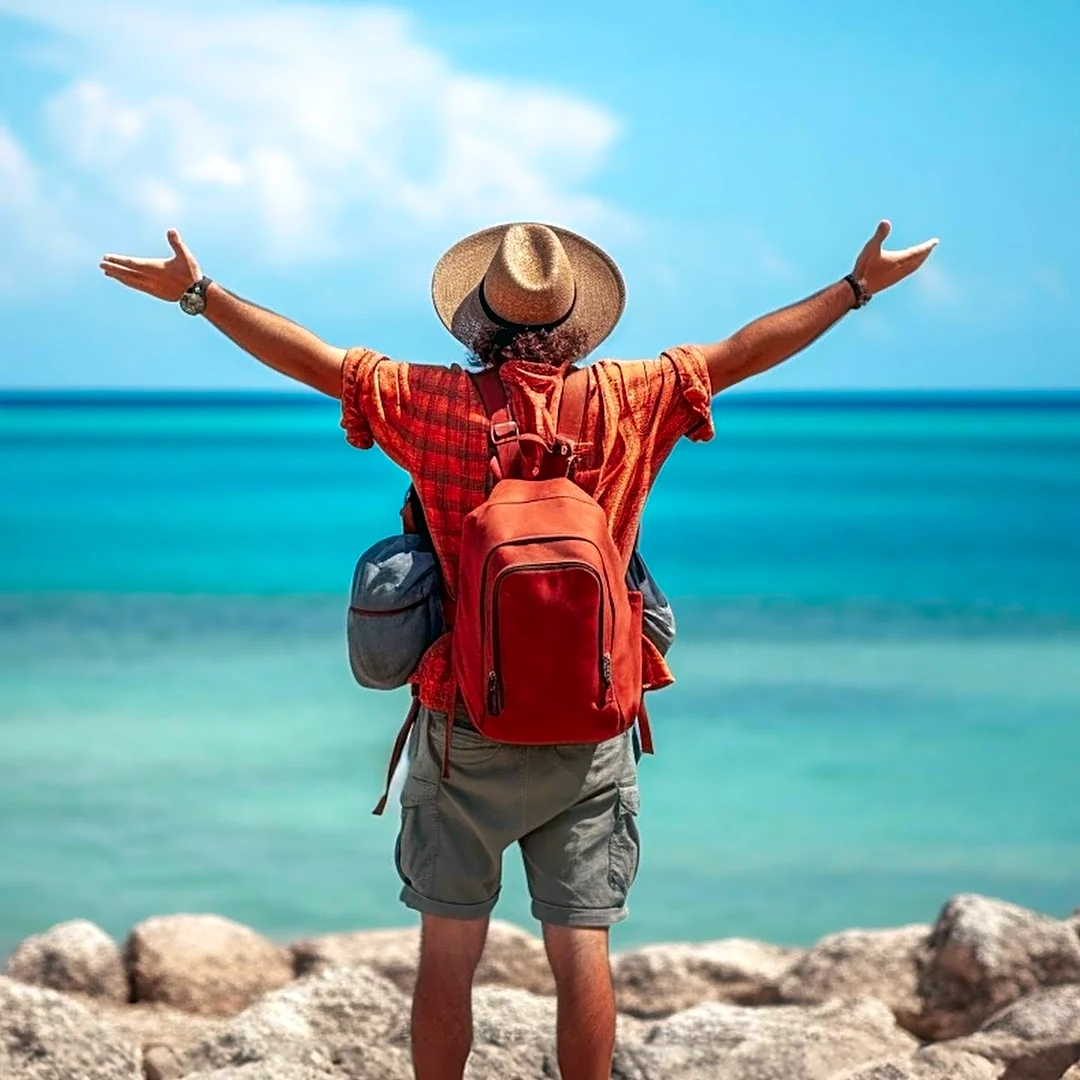
Budget travel is defined as a strategic approach to travel that prioritizes informed spending decisions to maximize value and create meaningful experiences. This method involves a thorough evaluation of all travel expenses, including transportation, accommodation,
food, and activities, to ensure they align with a set budget. It applies to various types of trips, from local getaways to international adventures and family vacations. Key skills for individuals creating budget travel content include research, budgeting, itinerary planning, writing, photography, video editing, audience engagement, search engine optimization, and professional communication. Several international destinations are highlighted as budget-friendly, where daily expenses can be kept under $100. These include locations in Indonesia, Vietnam, India, Morocco, Romania, Georgia, Albania, Mexico, and Guatemala. The concept focuses on intentional spending rather than sacrificing comfort or experiences, aiming to make travel accessible and enjoyable without financial strain.
Why It's Important?
The emphasis on budget travel is significant for U.S. consumers and the travel industry as it promotes financial literacy and accessibility in leisure activities. By encouraging travelers to plan and prioritize spending, it empowers individuals to explore more destinations and experiences that might otherwise seem out of reach due to cost. This approach can stimulate demand for travel by making it more attainable for a wider demographic, potentially benefiting budget-friendly airlines, accommodations, and local economies in less expensive destinations. For the U.S. travel market, it could shift consumer preferences towards more value-oriented travel options, influencing how travel packages are designed and marketed. Furthermore, the focus on skills like research and budgeting can help travelers become more self-reliant and discerning consumers, fostering a more informed travel community. The availability of online tools and customer support for budget planning also underscores a growing industry recognition of this travel segment.
What's Next?
As budget travel gains traction, the travel industry is likely to see continued innovation in offering more affordable and value-driven options. This could include the development of more comprehensive budget planning tools, increased promotion of off-peak travel seasons, and partnerships with local businesses in cost-effective destinations. Travelers can expect to find more resources and content dedicated to maximizing travel experiences on a limited budget, including detailed guides on cost-saving strategies for flights, accommodation, and daily expenses. The trend may also lead to a greater emphasis on experiential travel over luxury, with a focus on cultural immersion and authentic local experiences that often come with a lower price tag. Travel content creators will likely continue to expand their offerings, providing practical advice and showcasing destinations that cater to budget-conscious explorers, further solidifying budget travel as a mainstream and respected approach to seeing the world.
Beyond the Headlines
Beyond the immediate financial benefits, the rise of budget travel reflects a broader cultural shift towards mindful consumption and experiential value. It challenges the notion that travel must be expensive to be meaningful, encouraging a deeper appreciation for diverse cultures and natural landscapes without excessive spending. This movement can also foster greater sustainability in tourism by promoting longer stays in fewer locations, supporting local economies directly, and reducing the environmental impact associated with frequent, high-consumption travel. Ethically, budget travel can democratize access to global experiences, breaking down financial barriers that have historically limited travel to affluent populations. It encourages resourcefulness and adaptability, skills that extend beyond travel into everyday life. This approach also highlights the importance of research and planning, transforming travel from a passive consumption activity into an active, informed pursuit, ultimately enriching the traveler's personal growth and global understanding.