





What's Happening?
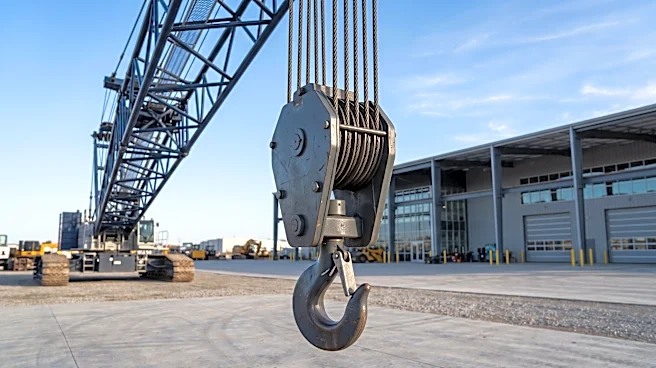
The Timken Company, through its Wazee Crane division, is actively seeking a Field Service Technician for its Broomfield, Colorado site. This role is crucial for the maintenance and repair of overhead cranes and hoists. The technician will be responsible
for troubleshooting, inspecting, and performing scheduled maintenance on this equipment, often working on-site at customer locations. The position requires travel, including overnight and out-of-state trips, and reports directly to the Crane Field Service Manager. Candidates are expected to have a high school diploma or GED, a valid driver's license with a clean record, and basic mechanical, electrical, and troubleshooting skills. The pay range for this full-time position is between $30.00/hr and $42.00/hr, commensurate with experience and education. The company offers a comprehensive benefits package, including medical, dental, and vision coverage starting on the first day of employment, a 401(k) plan with a company match, paid holidays, vacation, and parental leave after one year of service. Additionally, employees can benefit from educational expense reimbursement and opportunities for professional development.
Why It's Important?
This job opening highlights the ongoing demand for skilled labor in industrial maintenance, particularly within the heavy equipment sector. The Timken Company's investment in a Field Service Technician for its Wazee Crane division underscores the critical need for reliable and safe operation of cranes and hoists in various industries. These machines are fundamental to logistics, manufacturing, and construction, ensuring the efficient movement and positioning of heavy loads. The availability of such roles indicates a healthy, albeit specialized, segment of the U.S. job market that requires specific technical expertise. The comprehensive benefits package offered by Timken suggests a competitive environment for attracting and retaining qualified technicians, reflecting the value placed on these skills. For the U.S. economy, a robust infrastructure for equipment maintenance is vital for preventing operational downtime, ensuring workplace safety, and supporting the continuous flow of goods and services across different sectors.
What's Next?
The Timken Company will proceed with the recruitment process, evaluating candidates based on their qualifications, experience, and ability to meet the job requirements. Successful applicants will undergo background checks and drug/alcohol screenings, and must meet DOT driver requirements. Once hired, the new Field Service Technician will be integrated into the Wazee Crane team, receiving ongoing training and development opportunities. The company's emphasis on continuous professional growth suggests a long-term commitment to its employees and the quality of its service. The role's requirement for travel indicates that the technician will be actively engaged with customers, providing essential on-site support. This continuous service delivery will contribute to the operational efficiency and safety of businesses relying on crane and hoist systems, ensuring that critical industrial equipment remains functional and compliant with safety standards.
Beyond the Headlines
The demand for specialized technicians like those sought by The Timken Company reflects a broader trend in the U.S. industrial landscape: the increasing complexity of machinery and the corresponding need for highly skilled individuals to maintain it. This role is not just about fixing equipment; it's about ensuring the safety of operations, extending the lifespan of valuable assets, and contributing to the overall productivity of various industries. The emphasis on safety protocols, adherence to regulations like OSHA and ASME, and the potential for advanced electrical/troubleshooting skills or even a Journeyman/Master electrician license, points to the high level of responsibility and expertise required. This highlights a critical aspect of modern industrial operations where technical proficiency, continuous learning, and a strong commitment to safety are paramount, impacting everything from supply chain efficiency to worker well-being.