







What's Happening?
Prebiotics are indigestible fibers that serve as food for beneficial gut bacteria, such as Bifidobacterium and Lactobacillus species. These substrates reach the colon intact and nourish the existing microbes, promoting a healthy gut environment. Common
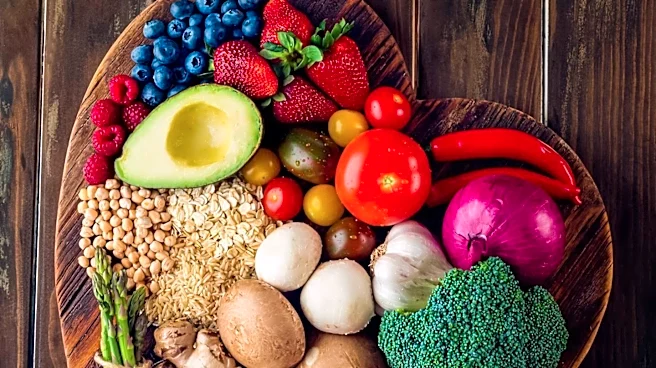
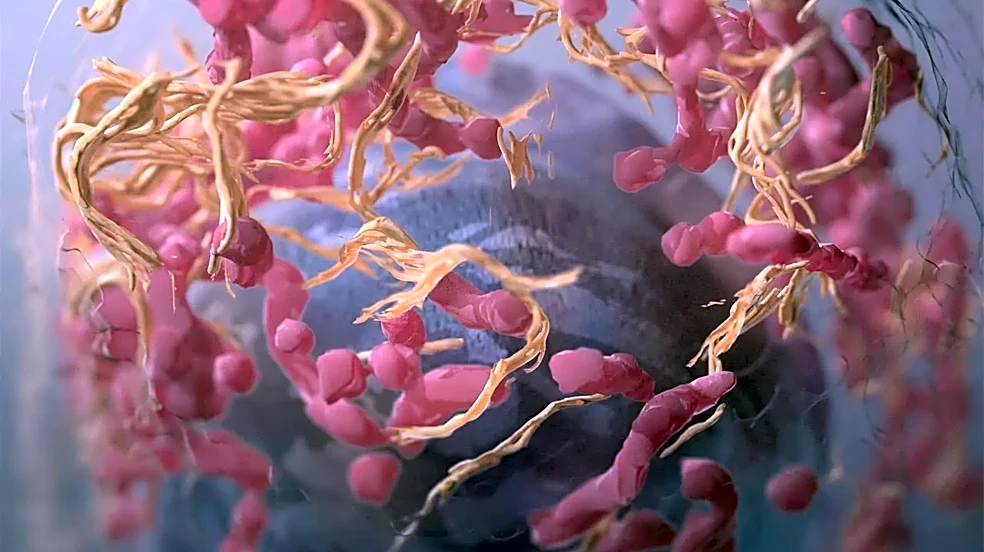
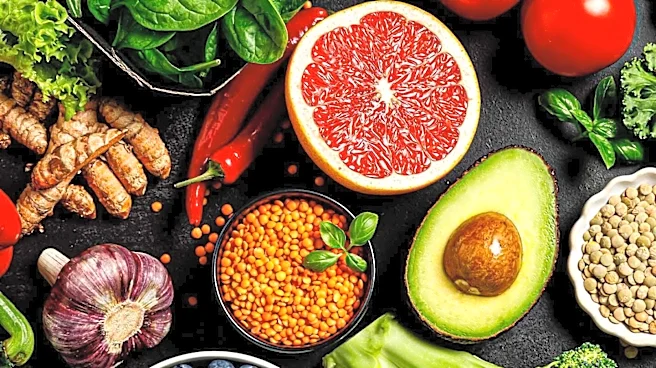
foods rich in prebiotics include garlic, onions, leeks, asparagus, Jerusalem artichokes, chicory root, bananas, oats, barley, apples, flaxseeds, jicama, and soybeans. These foods contain various types of fibers like inulin, fructooligosaccharides (FOS), galactooligosaccharides (GOS), and resistant starch. For instance, chicory root is highlighted as a rich natural source of inulin, a prebiotic fiber that beneficial gut bacteria ferment into short-chain fatty acids (SCFAs) like butyrate, which nourish the cells lining the colon and support gut barrier function. Prebiotics are distinct from probiotics, which introduce new beneficial bacteria into the gut, whereas prebiotics support the growth of existing ones.
Why It's Important?
The role of prebiotics in maintaining gut health is crucial for overall well-being. By selectively feeding beneficial gut bacteria, prebiotics contribute to a balanced microbiome, which is linked to various health benefits, including improved digestion, enhanced immune function, and even mood regulation. A healthy gut microbiome can help prevent digestive issues such as bloating, gas, constipation, and diarrhea. The production of short-chain fatty acids (SCFAs) from prebiotic fermentation is particularly significant, as these compounds play a vital role in gut barrier integrity and anti-inflammatory processes. Incorporating prebiotic-rich foods into the diet can be a proactive step in supporting the body's natural defenses and optimizing digestive health, potentially reducing the reliance on external supplements by fostering a robust internal microbial ecosystem.
What's Next?
Individuals can begin incorporating prebiotic-rich foods into their diet by starting with small amounts, such as half a teaspoon of chicory root, and gradually increasing portions as tolerance improves. It is advisable to introduce one new food at a time to identify what works best for an individual's system. Keeping a simple journal to note any changes in digestion, energy, or other symptoms can help monitor the effects. For those with persistent gut symptoms or specific health goals, microbiome testing can offer personalized insights into their microbial community, guiding more targeted dietary decisions. While microbiome tests provide a snapshot of microbial diversity and composition, they should be viewed as tools for guidance rather than medical diagnoses, and persistent or severe symptoms warrant consultation with a healthcare provider.
Beyond the Headlines
The growing understanding of the gut microbiome's influence extends beyond digestion, impacting broader health aspects such as mental health and chronic disease prevention. The concept of prebiotics underscores a shift towards a more holistic approach to health, emphasizing the importance of nourishing the body's internal ecosystems. This focus on dietary interventions, particularly through fiber-rich foods, highlights a sustainable and accessible method for health maintenance. The distinction between prebiotics and probiotics also educates consumers on different strategies for gut support, allowing for more informed choices. As research continues to uncover the intricate connections between diet, the microbiome, and overall health, prebiotics are likely to play an increasingly prominent role in nutritional guidelines and personalized health strategies, moving beyond a niche interest to a fundamental component of public health recommendations.