

What's Happening?
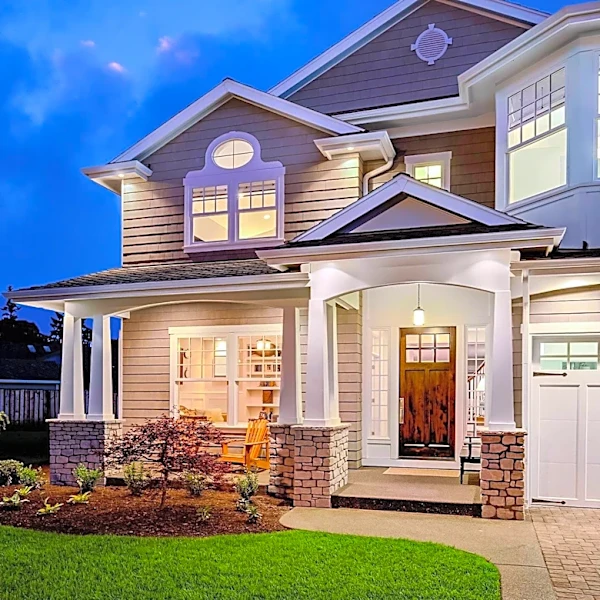
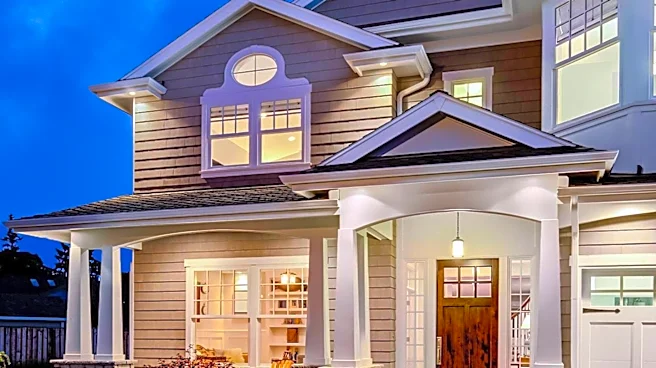
A modern farmhouse design integrates classic farmhouse aesthetics with contemporary design features. An example from The House Designers highlights a 1983 square foot, 3-bedroom, 3-bathroom farmhouse. This particular design incorporates an open floor
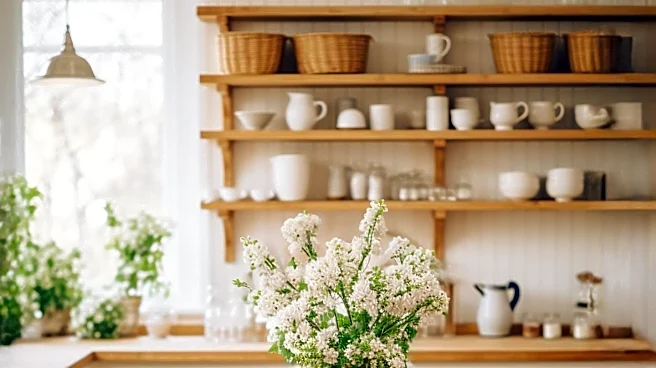
plan, an island kitchen, a dedicated home office, a recreational room, and a rear-entry garage. The emphasis of this architectural style is on creating spacious and functional living areas, while simultaneously incorporating modern conveniences and maintaining a rustic charm. This approach allows for a comfortable and practical living space that still evokes the traditional appeal of a farmhouse.
Why It's Important?
The growing popularity of modern farmhouse designs reflects a significant trend in U.S. residential architecture and interior design. This style appeals to a broad demographic seeking a balance between comfort, functionality, and aesthetic appeal. For the real estate market, homes featuring this blend of traditional and modern elements can command higher interest and potentially higher resale values, as they cater to current buyer preferences for open-concept living and dedicated spaces like home offices. Builders and designers are adapting to this demand by incorporating features such as large kitchens, flexible living areas, and a rustic yet refined material palette. This trend also influences the home furnishings and decor industries, as consumers seek products that complement the modern farmhouse aesthetic, driving sales in related sectors.
What's Next?
The continued evolution of the modern farmhouse trend is expected to see further integration of sustainable building practices and smart home technology. As homeowners increasingly prioritize energy efficiency and technological convenience, future modern farmhouse designs will likely incorporate features such as solar panels, advanced insulation, and integrated smart home systems, all while preserving the characteristic aesthetic. We may also see a greater emphasis on customizable elements, allowing homeowners to personalize their spaces while adhering to the core principles of the style. This could lead to a wider variety of material choices and design interpretations, further solidifying the modern farmhouse as a versatile and enduring architectural style in the U.S. housing market.
Beyond the Headlines
The modern farmhouse trend signifies more than just an architectural style; it represents a cultural shift towards valuing comfort, community, and a connection to nature within a contemporary lifestyle. It reflects a desire for simpler, more authentic living experiences, often in contrast to the fast-paced urban environment. This aesthetic often evokes a sense of nostalgia for traditional rural life, while simultaneously embracing the conveniences of modern living. The emphasis on open spaces and functional layouts also speaks to evolving family dynamics and the increasing need for versatile home environments that can accommodate work, leisure, and family life. This blend of old and new, rustic and refined, taps into a deeper yearning for balance and well-being in the American home.