





What's Happening?
Mulberry, the luxury retailer, has significantly reduced its annual losses, reporting a pre-tax loss of £8.9 million for the 52 weeks ending March 28, compared to a £32.2 million loss the previous year. This improvement is attributed to increased sales,
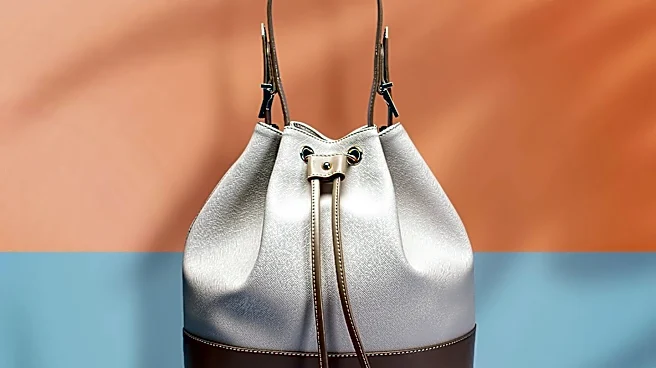
reduced discounting, and stringent cost control measures. The company's revenue rose by 4% to £125.5 million, with a notable 11% growth in the second half of the year. Retail and digital sales increased by 9%, while franchise and wholesale revenue surged by 33% due to expanded partnerships with retailers like John Lewis and Liberty. Mulberry's gross margin improved from 67% to 72% as the company focused on full-price sales. Operating expenses were cut by 10% to £96.2 million, despite ongoing investments in marketing and digital capabilities. The retailer's strategy included the reintroduction of popular products and the appointment of Christopher Kane as creative director. Mulberry's pre-owned business also saw a 46% sales increase, aiding its appeal to younger customers.
Why It's Important?
Mulberry's financial turnaround is significant for the luxury retail sector, demonstrating resilience and adaptability in a challenging market. The company's focus on full-price sales and cost management has strengthened its financial position, potentially setting a precedent for other luxury brands facing similar challenges. The increase in returning customers suggests a successful reconnection with its consumer base, which is crucial for long-term brand loyalty. Mulberry's strategic moves, such as expanding its product range and enhancing its digital presence, highlight the importance of innovation and adaptation in maintaining competitiveness. The success of its pre-owned business also underscores the growing trend of circular fashion, which could influence broader industry practices.
What's Next?
Mulberry aims to achieve annual revenue exceeding £200 million and an adjusted EBIT margin of 15% in the medium term. The company plans to continue its focus on profitability, particularly in the Asia Pacific region, where it has reshaped its store estate. Mulberry's ongoing investment in digital capabilities and marketing suggests a commitment to sustaining growth and expanding its customer base. The retailer's decision not to pay a dividend indicates a strategic choice to reinvest in business development. As Mulberry strengthens its financial position, it may explore further expansion opportunities and partnerships to enhance its market presence.