
What's Happening?
Eaton's ES AMER ESS division is actively recruiting for a Machinist I position for its 2nd shift in South Milwaukee, Wisconsin. The role offers an hourly rate of $27.30, supplemented by a $2.50 shift premium,
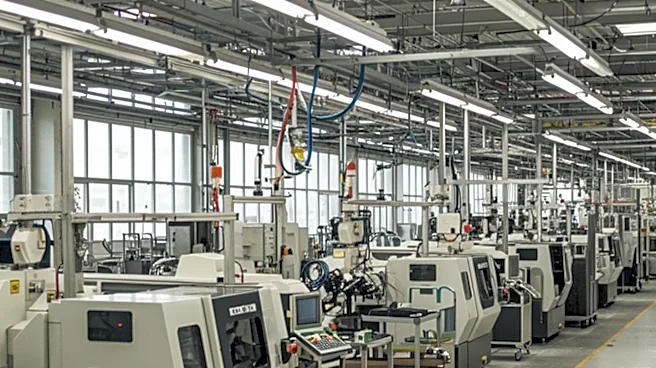
with hours from 2:30 pm to 10:30 pm. This position is responsible for setting up and operating various CNC Mill and Lathe Machines, requiring the ability to identify and use proper tools, gages, and equipment. Candidates must maintain strict adherence to dimensional tolerances, inspection requirements, and production standards, consistently meeting or exceeding quality and productivity goals. The company emphasizes career progression opportunities, including cross-training in different departments and increased compensation. Eaton provides comprehensive benefits, including health benefits and vacation time available from day one, up to 12 paid holidays, weekly pay, retirement benefits, paid parental leave, an educational assistance program, and wellness reimbursement. Applicants need a high school diploma or GED and a minimum of one year of experience interpreting engineering drawings, operating CNC machinery, and performing machine setup activities, or active participation in a registered apprenticeship program.
Why It's Important?
This job opening is significant for the local economy in South Milwaukee, providing a well-compensated manufacturing opportunity with substantial benefits. The emphasis on career progression and cross-training indicates Eaton's commitment to employee development, which can lead to a more skilled workforce and long-term employment stability in the region. The competitive pay and comprehensive benefits package, including health benefits from day one and paid parental leave, can attract skilled labor and improve the quality of life for employees and their families. For the manufacturing sector, the demand for skilled machinists highlights the ongoing need for precision manufacturing capabilities within the U.S. industrial base. Eaton's investment in its workforce through these offerings can also contribute to reduced employee turnover and increased productivity, reinforcing the company's operational strength and its contribution to the broader U.S. manufacturing landscape.
What's Next?
Eaton will continue to evaluate applicants for the Machinist I position, with a focus on candidates residing within a 50-mile radius of the South Milwaukee work location, though active-duty military service members are exempt from this geographical limitation. The company will not consider applicants requiring immigration sponsorship for this role. Successful candidates will undergo a hiring process that includes an assessment of their skills in operating CNC machines, interpreting engineering drawings, and performing machine setups. Once hired, new employees will be integrated into Eaton's ES AMER ESS division, where they will receive training and opportunities for career advancement. The ongoing recruitment for such roles suggests a sustained demand for skilled manufacturing labor, indicating potential for similar job openings in the future as Eaton continues its operations and potentially expands its production capabilities.
Beyond the Headlines
The detailed requirements for the Machinist I role, particularly the emphasis on interpreting engineering drawings, operating CNC machinery, and performing machine setups, underscore the increasing technical sophistication required in modern manufacturing. This reflects a broader trend in the U.S. industrial sector towards advanced manufacturing techniques and automation, necessitating a highly skilled workforce. The benefits package offered by Eaton, including educational assistance and wellness reimbursement, points to a corporate strategy that values employee well-being and continuous learning, which can foster a more engaged and productive workforce. This approach could serve as a model for other manufacturing companies seeking to attract and retain talent in a competitive labor market. Furthermore, Eaton's policy regarding immigration sponsorship highlights the complexities of workforce planning and talent acquisition within the current regulatory environment, influencing how companies source and develop their labor force.