







What's Happening?
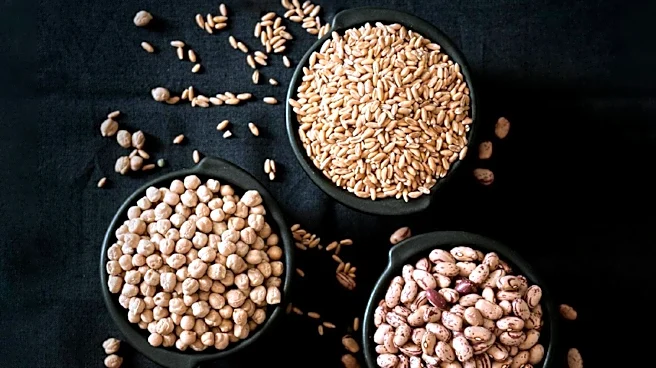
The ancient Mediterranean diet, as described by historical figures like Roman emperor Julian and physician Galen, was heavily reliant on bread and cereal-based foods, supplemented by pulses, oil, and seasonal produce. This contrasts with the modern Mediterranean diet, which
emphasizes vegetables, olive oil, and fish. Bread was a staple, with different types and preparation methods affecting its nutritional value. While fruits and vegetables were consumed, they were often valued for medicinal purposes rather than as dietary staples. The diet varied significantly based on region, season, and socioeconomic status.
Why It's Important?
Understanding the historical context of the Mediterranean diet provides insight into how dietary practices have evolved over time. The shift from a bread-centric diet to one focused on vegetables and healthy fats reflects broader changes in nutritional science and public health priorities. This evolution highlights the role of cultural, economic, and environmental factors in shaping dietary habits. The modern interpretation of the Mediterranean diet, which is often associated with health benefits, may not fully represent the historical reality, underscoring the importance of context in dietary recommendations.
Beyond the Headlines
The historical reliance on bread and cereals in the Mediterranean diet raises questions about the sustainability and nutritional adequacy of ancient diets compared to modern ones. The selective reconstruction of the Mediterranean diet in contemporary times may overlook the diversity and adaptability of ancient dietary practices. This understanding can inform current discussions on food security, cultural heritage, and the development of dietary guidelines that respect historical and regional variations.