




What's Happening?
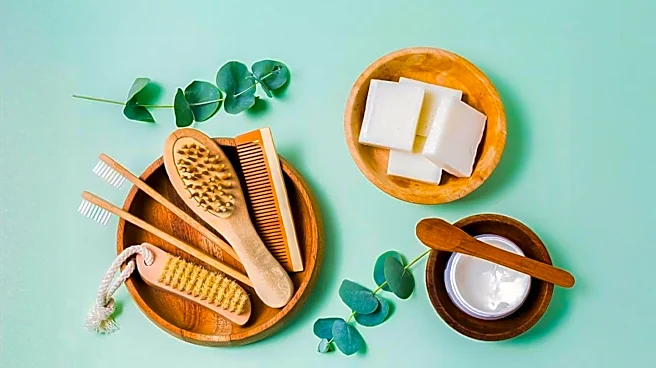
The beauty industry is increasingly adopting refillable product options as a sustainable alternative to traditional single-use packaging. Brands like Fenty Beauty, Lisa Eldridge, Bluemercury, and Armani Beauty are offering refillable formats for popular
items such as lipsticks, eyebrow makeup, and other cosmetic products. This system allows consumers to purchase a product once with a reusable outer container and then buy only the formula refill when needed. The British Beauty Council highlights refills and reuse as key strategies for the industry to reduce its environmental impact. The goal is to minimize the 120 billion units of packaging produced annually by the beauty sector, which accounts for approximately 70% of its waste. For a refill system to be truly environmentally beneficial, the refill itself should use minimal material and be designed to genuinely replace the purchase of an entirely new product, rather than simply functioning as a cover.
Why It's Important?
The shift towards refillable beauty products is a significant development for the U.S. beauty industry and its consumers, reflecting a growing demand for sustainability and reduced environmental footprint. This trend impacts manufacturing processes, supply chains, and consumer purchasing habits. Companies that successfully implement effective refill programs stand to gain market share among eco-conscious consumers, while those that lag may face increasing pressure from both consumers and potential future regulations. The emphasis on reducing packaging waste could lead to innovations in material science, focusing on lighter, more recyclable, and mono-material designs. This also presents an opportunity for brands to foster greater customer loyalty through subscription models for refills and in-store refill stations, creating a more circular economy within the beauty sector. The long-term impact could be a substantial reduction in landfill waste and a redefinition of luxury in beauty, where sustainability becomes a core component of premium products.
What's Next?
The beauty industry is expected to continue expanding its range of refillable options, with more brands integrating these sustainable practices into their core offerings. Future developments will likely focus on optimizing refill designs to ensure they are truly low-waste, using minimal material for the refill components themselves. There will also be an increased push for mono-material packaging, making products easier to recycle. Brands may explore more innovative dispensing systems, such as airless pumps, to protect product potency and reduce waste. Additionally, partnerships with waste management firms could lead to closed-loop deposit schemes for luxury cosmetic jars, further enhancing the circularity of packaging. Consumers can anticipate a wider variety of refillable products across different beauty categories, making sustainable choices more accessible and commonplace.
Beyond the Headlines
The move towards refillable beauty products extends beyond mere waste reduction; it signifies a deeper cultural and ethical shift within the consumer market. It challenges the traditional notion of luxury, which often equated elaborate, multi-layered packaging with premium quality. Now, true luxury is increasingly being defined by sustainability, ethical sourcing, and a minimal environmental impact. This trend could influence other consumer goods sectors to re-evaluate their packaging strategies. Furthermore, it encourages a more mindful consumption pattern, where consumers are actively participating in reducing waste rather than simply disposing of products. The long-term implications include a potential re-education of consumers about product value, emphasizing the quality of the formulation over the disposability of its container, and fostering a greater sense of responsibility for environmental stewardship among both brands and buyers.