


What's Happening?
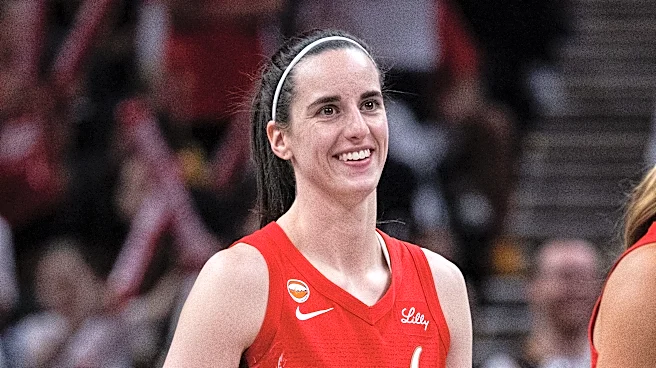
Former WNBA star Angel McCoughtry has publicly denied claims that she called Indiana Fever guard Caitlin Clark 'ugly.' The controversy arose after McCoughtry's appearance on the 'Get To The Point' podcast, where she discussed the role of appearance and
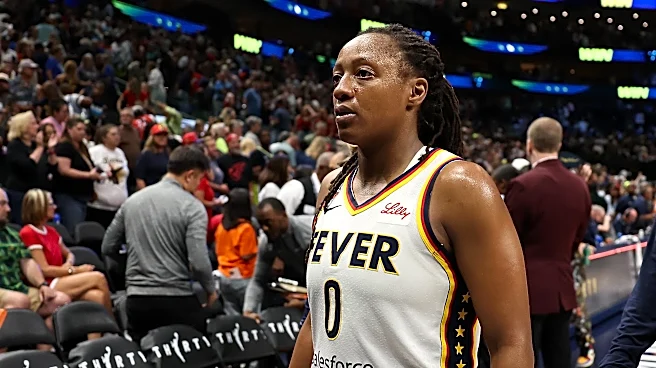
popularity in women's basketball. During the discussion, McCoughtry highlighted Clark's teammate, Kelsey Mitchell, suggesting Mitchell's basketball skills deserved more recognition. When asked if she found Clark attractive, McCoughtry responded with a laugh, which some social media users interpreted as an insult. A social media post subsequently accused McCoughtry of implying Clark was 'ugly,' despite her never explicitly using that word. McCoughtry has since issued a statement on Threads, asserting, 'I never called anyone ugly, those words never came out my mouth,' and questioned whether such false attributions could lead to a defamation lawsuit. Her response was later shared on X, as she firmly rejects the allegation.
Why It's Important?
This incident highlights the ongoing scrutiny and public discourse surrounding WNBA players, particularly regarding marketability, appearance, and recognition within the league. The rapid spread of the accusation on social media, despite McCoughtry's lack of explicit derogatory language, underscores the power of interpretation and the potential for misrepresentation in online spaces. For Caitlin Clark, a prominent figure in the WNBA, such controversies can add to the pressures of her high-profile status. For Angel McCoughtry, a former WNBA All-Star, the situation demonstrates how public comments can be taken out of context and lead to reputational damage, even if unintended. The broader implication touches on the challenges female athletes face in balancing their professional performance with public image, and how discussions about 'looks' can overshadow athletic achievements. It also raises questions about the responsibility of media platforms and social media users in disseminating information accurately.
What's Next?
While McCoughtry has issued a clear denial, the incident may continue to fuel discussions within the WNBA community and among fans regarding the intersection of appearance, popularity, and athletic recognition. Social media platforms will likely remain a key arena for these debates, with fans and commentators offering varied perspectives on McCoughtry's original comments and her subsequent denial. There is no indication of further legal action from McCoughtry regarding her mention of a potential defamation lawsuit, but her statement serves as a strong rebuttal. The WNBA and its players may continue to navigate the complexities of public perception and media scrutiny, particularly as the league gains more mainstream attention. The focus will likely shift back to on-court performance, but the underlying issues of how female athletes are perceived and discussed will likely persist.
Beyond the Headlines
The controversy surrounding Angel McCoughtry's comments and Caitlin Clark's appearance delves into deeper societal issues concerning the objectification and evaluation of women, even in professional sports. It highlights how female athletes, unlike many male counterparts, often face scrutiny not just for their athletic prowess but also for their physical attractiveness and marketability. This can create an environment where discussions about 'looks' overshadow their skills and contributions to the sport. The incident also reflects the broader cultural phenomenon of 'cancel culture' and the rapid judgment that can occur on social media, where context can be lost and interpretations can quickly escalate into widespread condemnation. It prompts a re-evaluation of how we discuss and appreciate female athletes, urging a shift towards recognizing their talent and dedication above superficial attributes. The ethical dimension of media reporting and social media engagement is also brought to the forefront, emphasizing the need for accuracy and responsible interpretation.