






What's Happening?
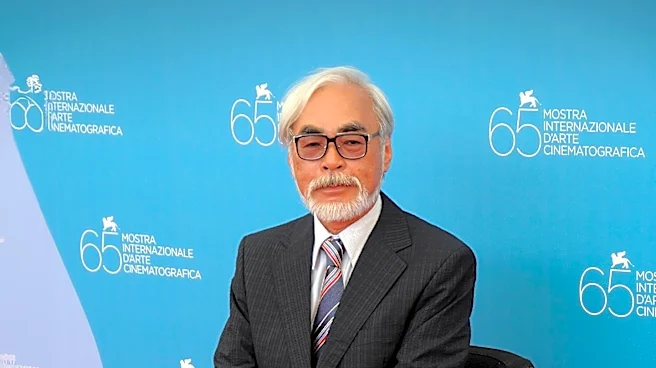
Hayao Miyazaki's animated film 'Princess Mononoke' is being revisited as part of GKIDS' annual Studio Ghibli Fest, highlighting its enduring cultural impact. The film, which debuted in 1997, explores themes of environmental conflict and human coexistence
with nature. Set in a version of medieval Japan, the story follows Prince Ashitaka as he navigates a battle between human progress and the natural world. The film's message about the consequences of environmental degradation remains relevant, as contemporary issues such as climate change and wildlife conservation continue to pose significant challenges.
Why It's Important?
'Princess Mononoke' serves as a poignant reminder of the delicate balance between human development and environmental preservation. Its themes resonate with current global concerns about climate change, deforestation, and biodiversity loss. By revisiting the film, audiences are encouraged to reflect on their relationship with nature and consider the long-term impacts of their actions. The film's humanist perspective, which emphasizes understanding and cooperation, offers a hopeful vision for addressing environmental challenges through collective effort and empathy.
Beyond the Headlines
The film's exploration of humanism and environmental ethics invites deeper reflection on the moral responsibilities of individuals and societies. It challenges viewers to consider the value of natural resources and the ethical implications of exploiting them for economic gain. 'Princess Mononoke' also highlights the importance of cultural narratives in shaping public discourse on environmental issues, demonstrating the power of storytelling to inspire change and foster a sense of stewardship for the planet.