


What's Happening?
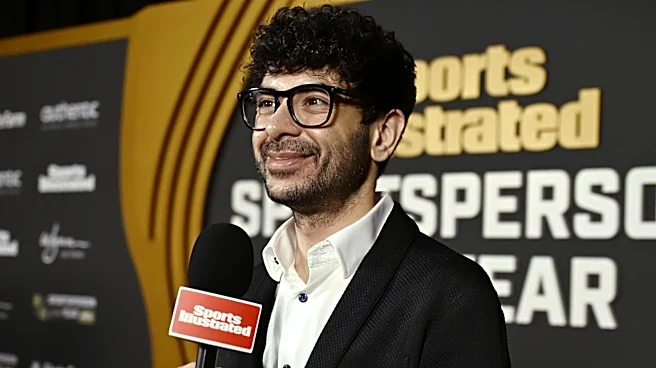
WWE Hall of Famer Mick Foley has expressed strong approval for AEW President Tony Khan's management approach, highlighting Khan's appreciation for his talent and his rapport with fans. Foley noted that Khan frequently interacts with the crowd between
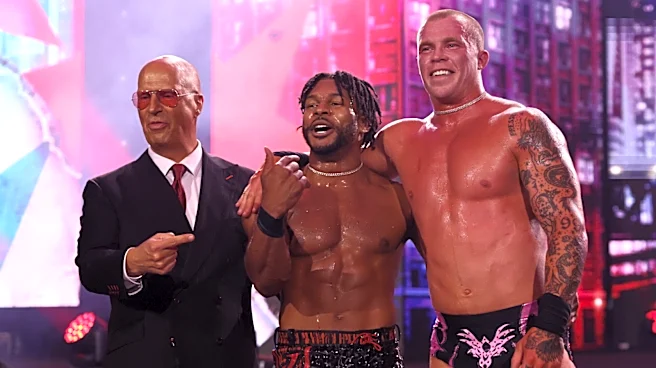
tapings, fostering a positive connection. According to Foley, AEW's management style differs significantly from WWE's, particularly in how it values and utilizes its entire roster. He observed that nearly every wrestler in AEW appears to have a meaningful role and purpose, rather than only a select few top-tier performers receiving significant attention. This depth, Foley believes, makes it plausible for any wrestler to contend for the AEW World Championship on any given night. Foley also commended AEW's focus on tag team wrestling, noting that the promotion respects and promotes established teams as a crucial part of its product, unlike others that might prioritize newly formed singles pairings.
Why It's Important?
Foley's comments underscore a significant difference in operational philosophy within the professional wrestling industry, particularly between AEW and WWE. His endorsement of AEW's talent management and roster utilization could influence fan perception and potentially attract more talent to the promotion. For wrestlers, an environment where a broader range of performers feel valued and have opportunities can be a major draw, impacting career choices and the overall competitive landscape. This approach also affects the product presented to fans; a deeper roster with meaningful storylines for more characters can lead to a more engaging and unpredictable viewing experience. The emphasis on tag team wrestling, as noted by Foley, also highlights AEW's commitment to a specific aspect of wrestling that some fans feel is underutilized elsewhere, potentially solidifying its niche in the market.
What's Next?
Mick Foley's public praise may further solidify AEW's reputation as a talent-friendly promotion, potentially attracting more wrestlers seeking broader opportunities and a more involved management style. This could intensify the competition for talent between AEW and other wrestling organizations. For AEW, continuing to foster this environment of talent appreciation and roster depth will be crucial to maintaining its distinct identity and appeal. Fans might expect AEW to continue showcasing a wide array of talent in significant roles, reinforcing the idea that any performer can rise to the top. The ongoing comparison between AEW and WWE's management styles will likely remain a topic of discussion among fans and industry insiders, influencing how both companies strategize their talent relations and on-screen product.
Beyond the Headlines
Foley's observations touch upon deeper industry dynamics beyond simple competition. The emphasis on talent appreciation and broader roster utilization speaks to the evolving expectations of professional wrestlers regarding their careers and treatment. In an industry historically known for its demanding nature, a management style that prioritizes performer well-being and creative input can foster greater loyalty and job satisfaction. This could lead to a more sustainable career path for wrestlers, potentially reducing burnout and extending careers. Furthermore, a focus on making the entire roster meaningful can cultivate a more diverse and dynamic product, appealing to a wider audience and preventing the stagnation that can occur when only a few top stars dominate the narrative. This approach also reflects a broader shift in entertainment industries towards valuing diverse talent and narratives.