


What's Happening?
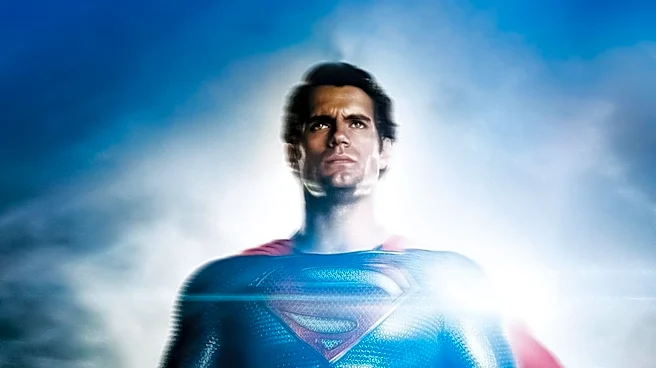
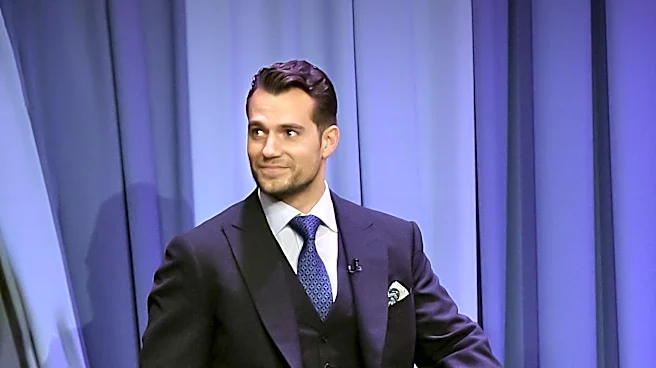
A significant debate has emerged among audiences regarding the acting range of Henry Cavill, a prominent figure in modern blockbuster films. This discussion, often initiated by tongue-in-cheek comments about his 'hidden range,' delves into how viewers
perceive screen presence, casting choices, and character portrayals. Opinions are sharply divided on which of Cavill's roles best showcase his abilities, with some citing films like 'Mission: Impossible – Fallout' and 'The Man from U.N.C.L.E.' as highlights where he fits seamlessly. Conversely, his performances in DC films are often viewed differently, with some critics attributing perceived shortcomings to uneven writing rather than his acting effort. The core of the argument revolves around whether his stoic or action-oriented roles demonstrate focused restraint or limited variation, highlighting how audience expectations significantly influence the reception of a performance.
Why It's Important?
This ongoing debate is important as it reflects broader trends in pop-culture commentary and audience engagement with celebrity personas. It underscores the challenges actors face in navigating public perception, especially when their physical appearance or previous iconic roles heavily influence how their performances are judged. For the entertainment industry, such discussions can impact casting decisions, as studios and directors weigh an actor's perceived 'range' against their box office appeal. The conversation also highlights a tension between visual transformation—achieved through makeup and costumes—and genuine acting versatility, prompting questions about what truly constitutes 'range' in a performer. This can influence how actors are trained, how roles are written, and how marketing campaigns are designed to shape public opinion.
What's Next?
The debate surrounding Henry Cavill's acting range is likely to persist, particularly as he takes on new roles or is considered for iconic parts like James Bond or Sherlock Holmes. Future projects will undoubtedly be scrutinized through the lens of this ongoing discussion, with audiences and critics alike looking for evidence to support or refute claims about his versatility. The industry may observe how this public discourse influences Cavill's career trajectory and the types of roles he is offered. Furthermore, this conversation could prompt other actors and filmmakers to more explicitly address or challenge audience preconceptions about 'typecasting' and the nuances of performance, potentially leading to more diverse and unexpected casting choices in the future.
Beyond the Headlines
Beyond the immediate discussion of Henry Cavill's performances, this debate touches upon deeper cultural implications regarding how society evaluates male attractiveness and its intersection with professional talent. There's an underlying tension where an actor's physical attributes, often seen as a significant asset in Hollywood, can also become a perceived limitation, leading to assumptions about their acting depth. This phenomenon is not unique to Cavill but is a recurring theme in the careers of many conventionally attractive actors. The conversation also highlights the often-reductive nature of online commentary, where complex artistic endeavors are frequently distilled into binary judgments of 'good' or 'bad,' often overlooking the collaborative and multifaceted nature of film and television production. It prompts reflection on how audiences are encouraged to engage with and critique artistic work in the digital age.