








What's Happening?
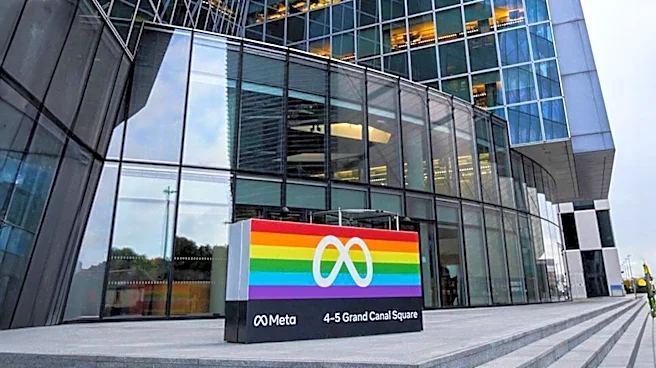
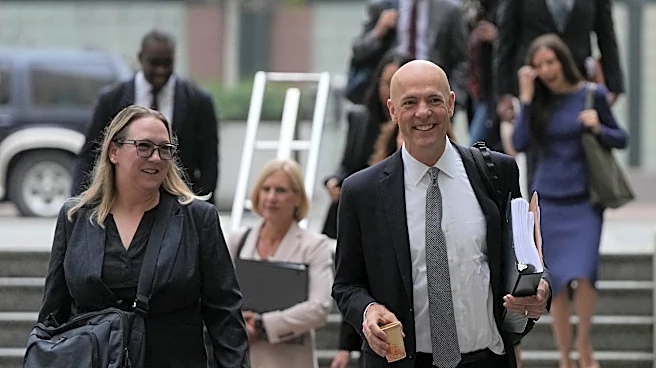
Meta is currently defending itself against a coalition of 29 state attorneys general in a landmark trial in California federal court. The lawsuit, initially filed in 2023, alleges that Meta illegally collected and utilized data from children and intentionally
designed Facebook and Instagram to be addictive for teenagers. Features such as the 'like' button and recommendation algorithms are cited as contributing factors to a wave of anxiety, depression, self-harm, and even suicide among young users. The states claim that Meta misled the public about the safety risks associated with its applications. New Mexico Attorney General Raul Torrez, who recently secured a $567 million judgment against Meta in a separate state trial with similar claims, suggests that Wall Street may be underestimating the potential financial repercussions for Meta. The company itself estimates potential damages could reach $1.4 trillion, nearly its entire market capitalization, while the states propose a figure of $200 billion if Meta loses the case. California AG Rob Bonta stated that Meta designed a dangerous product, was aware of its dangers, and then deceived children, families, and the community about these risks.
Why It's Important?
This trial holds significant implications for the U.S. technology industry, particularly social media companies, as it could set a precedent for accountability regarding the mental health impacts of their platforms on young users. A substantial judgment against Meta could lead to widespread changes in how social media platforms are designed and regulated, potentially forcing companies to prioritize user well-being over engagement metrics. The case highlights growing concerns among policymakers and the public about the addictive nature of social media and its potential negative effects on adolescent mental health. For Meta, a loss could result in unprecedented financial penalties, impacting its market valuation and operational strategies. Beyond financial repercussions, the outcome could mandate the deletion of illegally harvested data from children under 13 and prohibit the use of certain 'addictive design features' like infinite scroll and autoplay. This could reshape the competitive landscape, compelling all social media companies to re-evaluate their product development and user safety protocols, potentially leading to a 'Big Tobacco' moment for the social media industry.
What's Next?
The trial is currently underway in California federal court, with opening arguments having commenced. A jury will hear arguments and provide an advisory verdict, but District Judge Yvonne Gonzalez Rogers will make the final decision regarding specific damages and potential operational changes for Meta. Both Meta CEO Mark Zuckerberg and Instagram chief Adam Mosseri could be called to testify. Arturo Bejar, a former Meta safety researcher, is also a likely key witness, having previously testified about his teen daughter's exposure to 'predators' on the platform. Attorneys for Meta will argue that the state attorneys general are seeking damages beyond the scope of the case and lack evidence that the company's apps cause real-world harm. They contend that the states are pursuing an 'outlandish payout' rather than focusing on facts or law. The legal proceedings are expected to continue, with the potential for significant financial penalties and mandated changes to Meta's platform design and data handling practices. The outcome will likely influence ongoing and future lawsuits against social media companies across the country.
Beyond the Headlines
This case delves into the ethical responsibilities of technology companies in designing products that impact the mental health of vulnerable populations, particularly teenagers. It raises fundamental questions about the balance between user engagement and well-being, and the extent to which companies should be held liable for the societal consequences of their design choices. The legal battle could trigger a broader re-evaluation of data privacy laws concerning minors and the regulatory framework for digital platforms. Beyond the immediate financial and operational impacts on Meta, a ruling against the company could empower parents, educators, and mental health advocates in their calls for stricter oversight of social media. It may also accelerate the development of new technologies and design principles that prioritize user safety and mental health, potentially leading to a more ethical and responsible digital landscape for future generations. The case underscores the evolving legal and ethical landscape surrounding technology and its profound influence on society.