






What's Happening?
TikTok has emerged as a dominant platform for fashion discovery, particularly for brands aiming to engage with Gen Z consumers. The platform's organic discovery potential is significant, with over 400 billion views, enabling fashion brands to reach millions
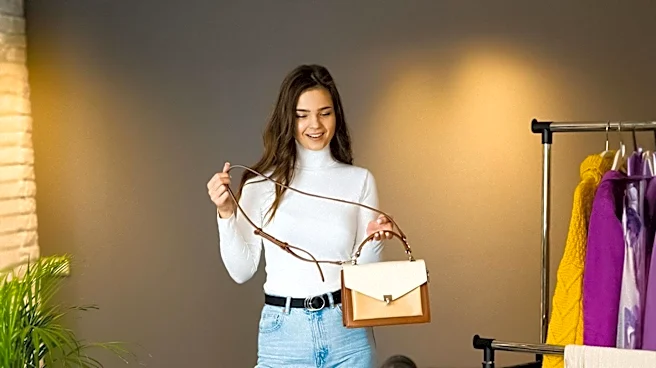
of non-followers through content like 'Get Ready With Me' (GRWM) videos and outfit showcases. Fast fashion and direct-to-consumer brands are notably benefiting from TikTok Shop, which facilitates impulse purchases. For most fashion brands, it is recommended to allocate 25-40% of their influencer marketing budget to TikTok for Gen Z-focused campaigns. This allocation should be balanced with 50-60% on Instagram to target broader demographics. Luxury fashion brands, while still prioritizing Instagram, are increasingly using TikTok as a secondary channel for discovery.
Why It's Important?
The rise of TikTok as a fashion discovery platform signifies a major shift in how brands connect with consumers, especially the younger demographic. This trend impacts marketing strategies, budget allocations, and content creation for fashion companies across the U.S. Brands that effectively leverage TikTok's unique algorithm and content formats can achieve widespread organic reach and drive sales, particularly for impulse-driven purchases. Conversely, brands that fail to adapt to this shift risk losing relevance and market share among Gen Z. The platform's influence also highlights the growing importance of influencer marketing and authentic, short-form video content in the fashion industry. The distinction in budget allocation between TikTok and Instagram reflects the differing strengths of each platform in reaching specific age groups and achieving various marketing objectives.
What's Next?
Fashion brands are expected to continue refining their TikTok strategies, focusing on creating engaging and authentic content that resonates with Gen Z. This will likely involve increased investment in influencer collaborations, particularly with creators who specialize in GRWM and outfit videos. The integration of e-commerce features like TikTok Shop is anticipated to grow, further blurring the lines between content consumption and direct purchasing. Brands may also explore more sophisticated analytics to measure the return on investment for their TikTok campaigns, optimizing their content and spending based on performance data. The platform's evolving features and user behavior will necessitate continuous adaptation from fashion marketers to maintain engagement and drive sales.
Beyond the Headlines
The prominence of TikTok in fashion discovery extends beyond mere marketing tactics; it reflects a broader cultural shift in how trends are formed and disseminated. The platform's emphasis on authenticity and user-generated content challenges traditional top-down fashion hierarchies, empowering individual creators and micro-trends. This democratized approach to fashion can lead to more diverse styles and a faster trend cycle, impacting design, production, and retail. The platform also raises questions about the sustainability of fast fashion, given its role in promoting impulse purchases. Furthermore, the psychological impact of constant trend cycles on consumers, particularly Gen Z, warrants consideration, as it can influence self-expression, identity, and consumption habits in an increasingly digital world.