





What's Happening?
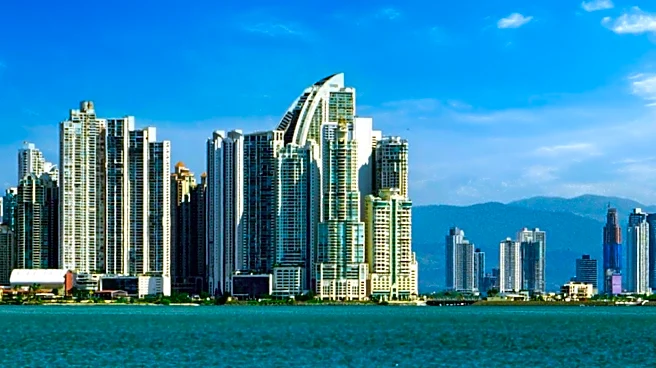
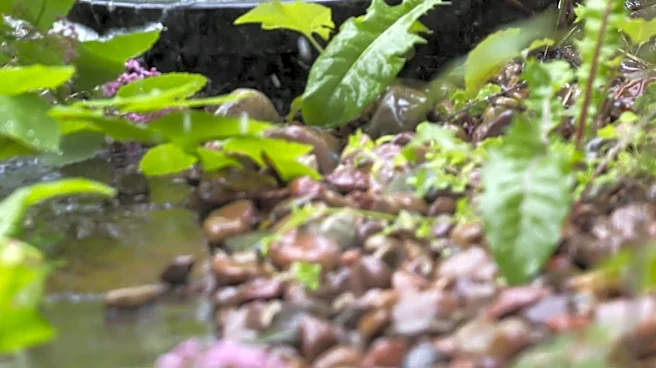
While direct rainwater energy generators are not explicitly detailed, rainwater management is being incorporated into sustainable living solutions, as seen in the A19 Coco del Mar development. This residential project in Panama integrates rainwater management alongside
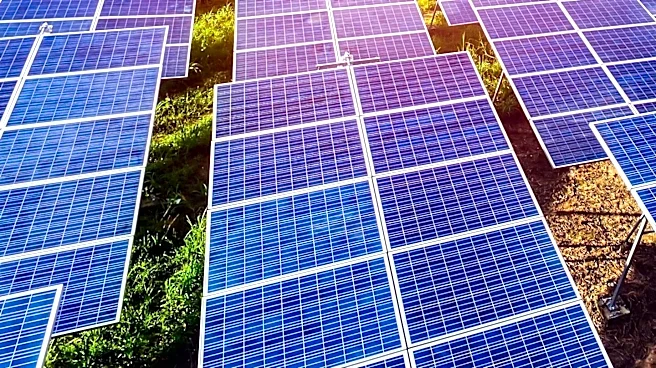
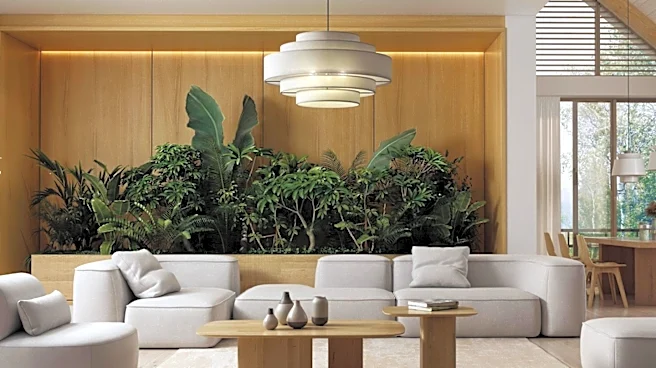
solar panels and electric vehicle charging stations to enhance overall energy efficiency. The focus is on maximizing natural light, ventilation, and energy efficiency through environmentally friendly solutions. This approach suggests that rainwater management is viewed as a component of a broader strategy for sustainable energy and resource use in modern residential design. The development offers various apartment sizes and premium amenities, emphasizing a harmonious blend of contemporary architecture, sustainability, and comfort.
Why It's Important?
The integration of rainwater management into sustainable residential developments signifies a growing trend towards holistic environmental design. For U.S. industries, this highlights an increasing demand for sustainable building materials and technologies, potentially driving innovation in water conservation and energy efficiency sectors. Businesses involved in green building, water infrastructure, and renewable energy stand to gain from this shift. The emphasis on sustainable living also reflects evolving consumer preferences, which could influence real estate markets and urban planning in the U.S. It underscores the importance of resource management, particularly water, in the face of environmental challenges, and positions sustainable practices as a key selling point for modern properties. This trend could also lead to new policy considerations for water conservation and green building incentives.
What's Next?
The continued adoption of integrated sustainable solutions, including rainwater management, is likely to expand beyond niche markets and become a more mainstream expectation in residential and commercial construction. This could lead to increased research and development in advanced rainwater harvesting and treatment systems, potentially exploring more direct energy generation methods from water flow or pressure. We may see more stringent building codes and incentives for developers to incorporate such features, driven by both environmental concerns and consumer demand for lower utility costs and a smaller ecological footprint. Furthermore, the success of projects like A19 Coco del Mar could serve as a model, encouraging similar developments in the U.S. and fostering a competitive landscape for sustainable urban living solutions.
Beyond the Headlines
The subtle inclusion of rainwater management within broader sustainable living frameworks points to a deeper understanding of interconnected environmental systems. It moves beyond single-solution approaches to a more integrated design philosophy where water, energy, and waste are managed synergistically. This holistic view has ethical implications, promoting responsible resource stewardship and reducing the environmental impact of human habitation. Culturally, it could foster a greater appreciation for natural resources and encourage more mindful consumption patterns. Legally, it might pave the way for new regulations that mandate comprehensive sustainability measures in construction, potentially influencing zoning laws and property development standards across the U.S. The long-term shift could be towards self-sufficient communities that minimize reliance on external infrastructure.