






What's Happening?
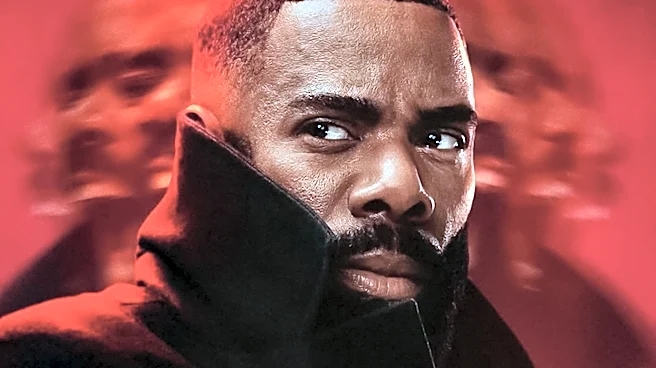
Colman Domingo is featured in Gus Van Sant's new film, 'Dead Man’s Wire,' a stylish true-crime thriller. The movie, which also stars Bill Skarsgaard, Myha’la, and Dacre Montgomery, draws inspiration from a real-life 1977 hostage situation that unfolded
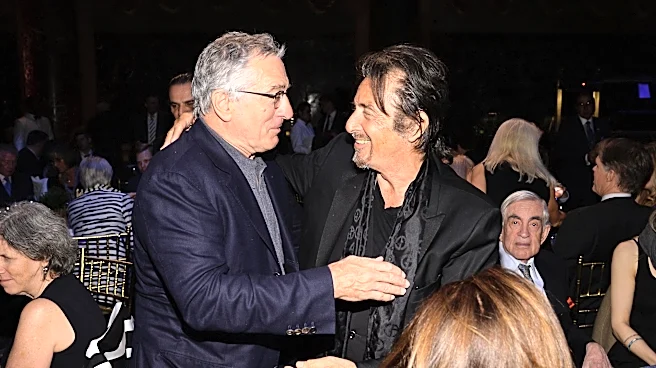
live on U.S. airwaves over three days. The film is described as darkly funny with an 'eat-the-rich' undertone and serves as Van Sant's homage to 1970s crime dramas, incorporating claustrophobic close-ups and freeze-frames. An interesting cameo from Al Pacino, known for 'Dog Day Afternoon,' is also noted.
Why It's Important?
Colman Domingo's involvement in 'Dead Man’s Wire' underscores his continued presence in significant cinematic projects, working with acclaimed director Gus Van Sant. This role adds to his diverse filmography, showcasing his versatility as an actor. The film's premise, based on a real-life U.S. hostage situation, taps into a historical event that resonates with American audiences, potentially drawing considerable viewership. The 'eat-the-rich' theme and homage to 1970s crime dramas suggest a film that could offer social commentary and appeal to cinephiles, contributing to critical discussions about contemporary cinema and its historical influences. The ensemble cast, including other notable actors, further elevates the film's profile.
What's Next?
The release of 'Dead Man’s Wire' on Netflix positions it for broad accessibility to U.S. audiences. Its critical reception will be a key factor in its impact, potentially influencing future projects for Domingo and the other cast members. Given its true-crime basis and stylistic approach, the film could spark renewed interest in the 1977 hostage event it depicts, leading to discussions about media coverage of such incidents. For Colman Domingo, this role, alongside his other recent projects, solidifies his standing as a sought-after actor capable of delivering compelling performances in various genres.
Beyond the Headlines
The film's exploration of a 1977 hostage situation and its 'eat-the-rich' theme could prompt deeper reflection on societal inequalities and the role of media in public crises, both then and now. Gus Van Sant's stylistic choices, paying homage to 1970s crime dramas, invite a comparative analysis of filmmaking techniques across different eras and how they shape narrative and audience perception. The inclusion of a real-life event as inspiration also raises questions about the ethics of dramatizing historical tragedies and the balance between entertainment and factual representation. The film's potential to reignite conversations about these themes makes it more than just a thriller.