






What's Happening?
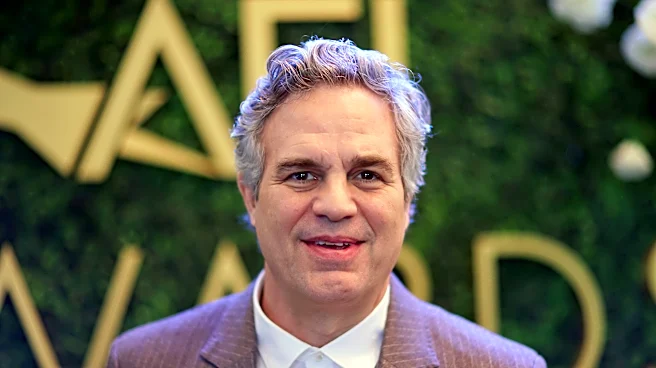
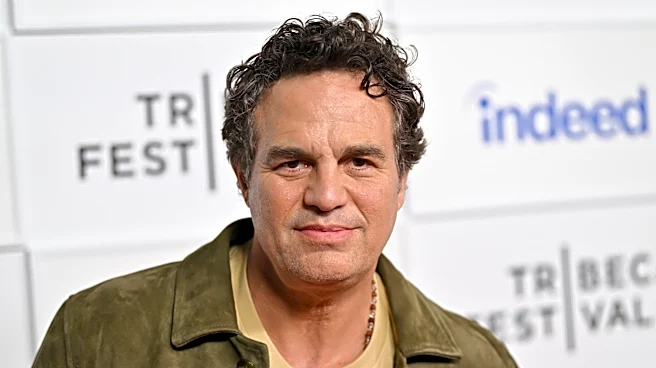
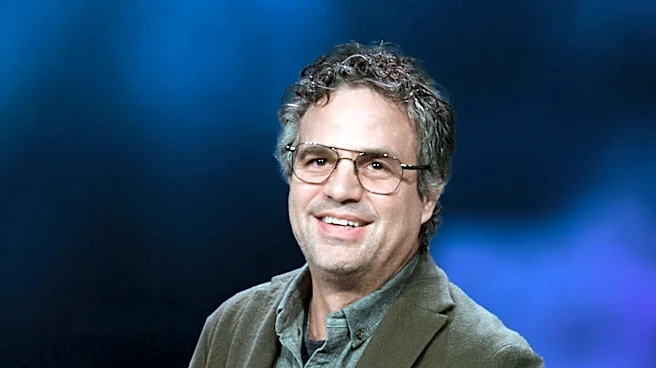
Actor Mark Ruffalo has strongly refuted Paramount's accusation that his criticism of the proposed merger between Paramount-Skydance and Warner Bros. Discovery is antisemitic. Ruffalo labeled the charge as 'appalling and fundamentally dishonest.' The dispute
arose after Ruffalo expanded his opposition to the $111 billion deal, linking the Ellison family and Oracle to Israel and the conflict in Gaza. He specifically cited Oracle's use of 'profoundly scary technologies' to assist the Israeli military and criticized Oracle's executive vice chair, Safra Catz, for her support of Israel. Ruffalo described Oracle founder Larry Ellison as a 'classic oligarch' and warned against the consequences of one family controlling major media outlets like CNN, HBO, and Warner Bros. Paramount, in response, stated that using terms like 'genocide' and 'apartheid' in the context of a corporate transaction is 'wrong' and diminishes the suffering those words describe, while also expressing concern over the deployment of 'alleged antisemitic tropes' in a business dispute.
Why It's Important?
This public dispute highlights the increasing intersection of corporate mergers, geopolitical issues, and celebrity activism in the U.S. media landscape. Ruffalo's criticism of the proposed $111 billion merger raises significant questions about media consolidation, potential threats to editorial freedom, and the influence of foreign money on U.S. media entities. The actor's concerns about job losses and creative independence, coupled with his broader political statements, underscore anxieties within the entertainment industry and among the public regarding the concentration of power. Paramount's strong reaction to Ruffalo's comments, particularly the accusation of antisemitism, reflects the sensitive nature of discussions involving Israel and the potential for such allegations to derail business negotiations or damage public perception. The involvement of Oracle's military technology and government contracts in the discussion also brings to light the ethical considerations surrounding the integration of diverse business interests within a single media conglomerate.
What's Next?
The ongoing debate surrounding the Paramount-Warner Bros. Discovery merger is likely to intensify, with Ruffalo indicating he will continue to scrutinize the deal. Lawmakers on both sides of the aisle have already called for a serious national security review, suggesting that regulatory bodies will face increased pressure to thoroughly examine the proposed transaction. The public and various stakeholders will be watching for further responses from Paramount, the Ellison family, and other involved parties. The controversy may also prompt a broader discussion about the role of technology companies with military ties in media ownership and the potential implications for journalistic integrity and public discourse. The outcome of this merger, and the public debate surrounding it, could set precedents for how future large-scale media acquisitions are evaluated, particularly when they involve complex financial structures and international political dimensions.
Beyond the Headlines
This incident delves into deeper implications concerning freedom of speech, corporate responsibility, and the weaponization of accusations like antisemitism in public discourse. Ruffalo's insistence that his criticism stems from political convictions rather than hostility towards Jewish people highlights the delicate balance between legitimate critique of corporate actions and the potential for such critique to be misconstrued or deliberately framed as prejudice. The controversy also underscores the growing trend of public figures using their platforms to influence major business decisions, moving beyond traditional activism to directly challenge corporate structures and their ethical implications. Furthermore, the discussion around Oracle's data, surveillance technology, and government contracts, if integrated into a major media company, raises profound questions about privacy, censorship, and the potential for undue influence on news dissemination and public opinion. This case could serve as a critical examination of how corporate power, technological capabilities, and geopolitical stances intersect within the U.S. media landscape.