



What's Happening?
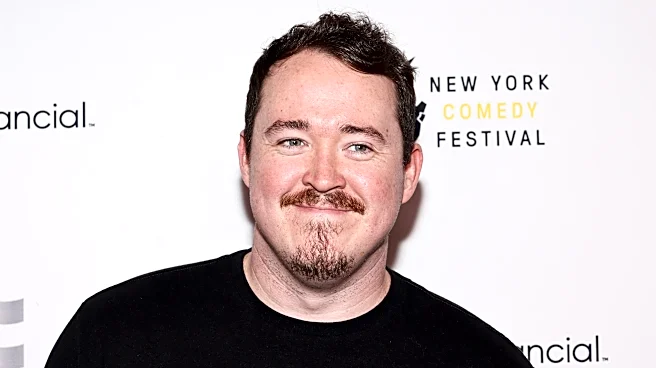
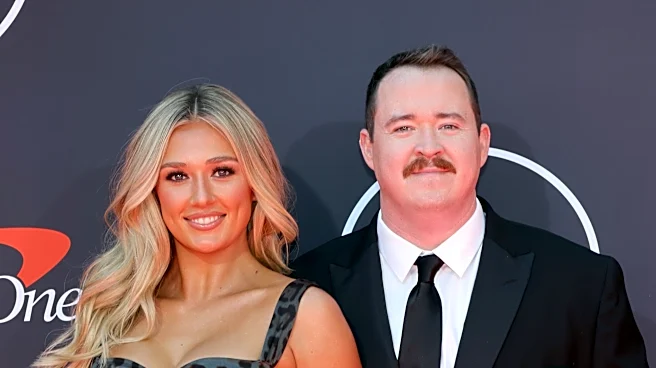
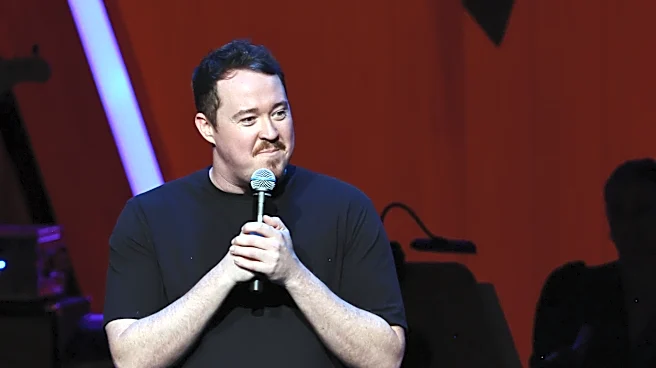
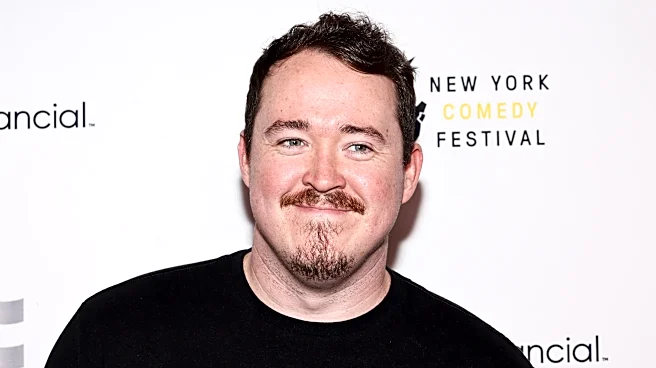
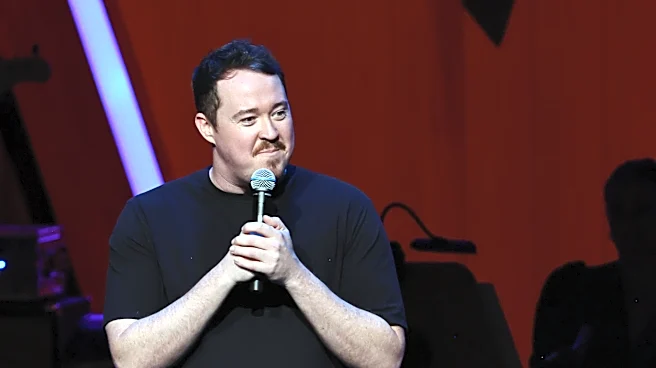
Grace Brassel, the ex-girlfriend of comedian Shane Gillis, has published an essay in The Cut detailing what she describes as his 'cruel' behavior during their relationship. Brassel, who dated Gillis from May 2024 to August 2025, recounted instances where
Gillis allegedly made cruel remarks and played them off as jokes, referred to women as 'whores,' and attempted to control her attire. She also described a period where she quit her job to become his 'stay-at-home girlfriend,' only for Gillis to expect her to handle all household duties and treat her dismissively. The essay highlights a pattern of behavior that Brassel found emotionally damaging, leading her to therapy after their breakup. Gillis, in response, stated, 'Grace and I had some good times together. Breakups are tough, and I wish her the best.'
Why It's Important?
This essay contributes to the ongoing public discourse surrounding the behavior of public figures, particularly in the entertainment industry, and the impact of their actions on personal relationships. It sheds light on the power dynamics within relationships, especially when one partner has a significant public profile. The allegations of controlling behavior and demeaning language raise questions about accountability and the responsibilities of individuals, regardless of their profession. For Gillis, who has previously faced controversy for his comments, this essay could further shape public perception and potentially influence his career. For Brassel, sharing her experience serves as a cautionary tale for others and contributes to a broader conversation about emotional abuse and self-worth.
What's Next?
The publication of Brassel's essay may lead to further public discussion and scrutiny of Shane Gillis's past and present conduct. It could prompt reactions from his fans, colleagues, and the broader entertainment community. While Gillis has offered a brief statement, the detailed nature of Brassel's account might necessitate a more comprehensive response or lead to further commentary from either party. The essay's impact could extend to how Gillis is perceived in future professional engagements, potentially affecting his audience, endorsements, or opportunities within the comedy and media landscape. It also serves as a potential catalyst for others who have experienced similar situations to come forward.
Beyond the Headlines
Brassel's essay delves into the less visible aspects of relationships with public figures, particularly the emotional toll and the challenges of navigating personal life under public scrutiny. Her experience of being harassed by Gillis's fans post-breakup highlights the darker side of fan culture and the lack of boundaries that can emerge in the digital age. The narrative also touches upon the societal expectations placed on women in relationships, particularly the pressure to conform to traditional roles, and the psychological impact of such expectations. The essay ultimately underscores the importance of recognizing and addressing unhealthy relationship dynamics, regardless of the individuals' public status, and the journey towards healing and self-discovery after such experiences.