


What's Happening?
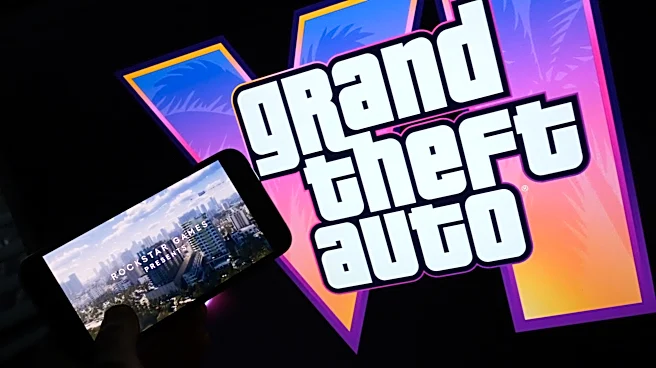
Rockstar Games and Netflix are set to premiere an extended look at Grand Theft Auto 6 on August 27, 2026. The event will first air on Netflix at 12 p.m. PT, followed by a YouTube release six hours later. This collaboration highlights a significant shift
towards digital media, as Sony has also announced plans to phase out physical game sales, moving towards an all-digital future. Despite pushback from fans, companies like Capcom report that digital sales already constitute a large portion of their revenue, indicating a broader industry trend. The extended look at GTA 6 is part of a larger strategy to engage audiences through digital platforms, reflecting changes in consumer behavior and media consumption.
Why It's Important?
The decision to premiere GTA 6's extended look on Netflix underscores the growing importance of digital platforms in the gaming industry. As companies like Sony and Capcom embrace digital distribution, the industry is moving away from physical media, which could have significant implications for retailers and consumers. This shift may lead to increased accessibility and convenience for gamers, but also raises concerns about digital ownership and preservation. For Netflix, this partnership represents an opportunity to expand its content offerings and attract a new audience segment, potentially boosting subscriptions and engagement. The collaboration also highlights the potential for streaming services to play a more central role in the marketing and distribution of video games.
What's Next?
As the industry continues to shift towards digital media, stakeholders will need to adapt to changing consumer preferences and technological advancements. Retailers may need to explore new business models to remain competitive, while developers and publishers focus on enhancing digital distribution channels. The success of the GTA 6 premiere on Netflix could encourage other game developers to pursue similar partnerships, further blurring the lines between gaming and streaming media. Additionally, ongoing discussions about digital rights and ownership may prompt regulatory scrutiny and policy changes, impacting how digital content is marketed and sold.