

What's Happening?
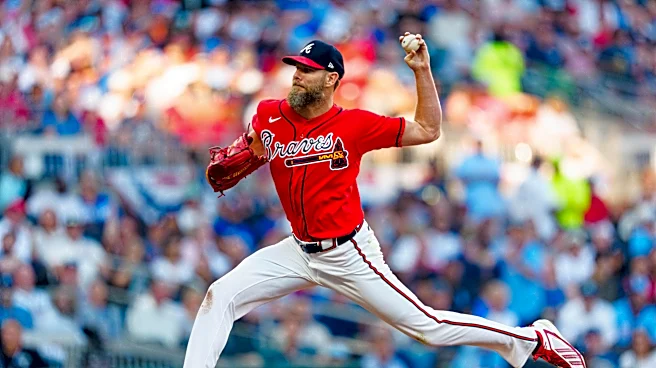
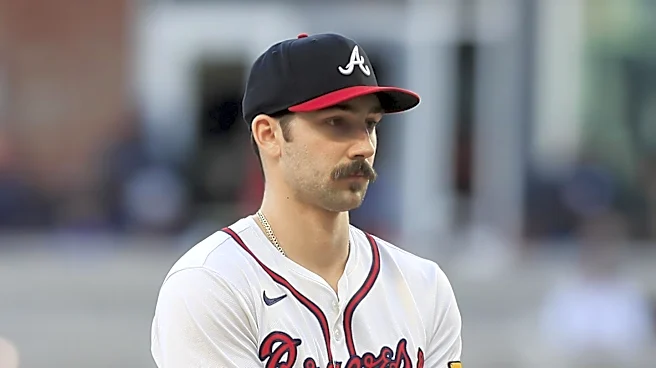
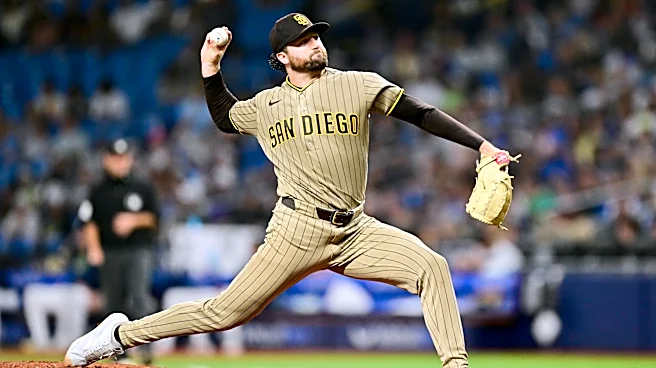
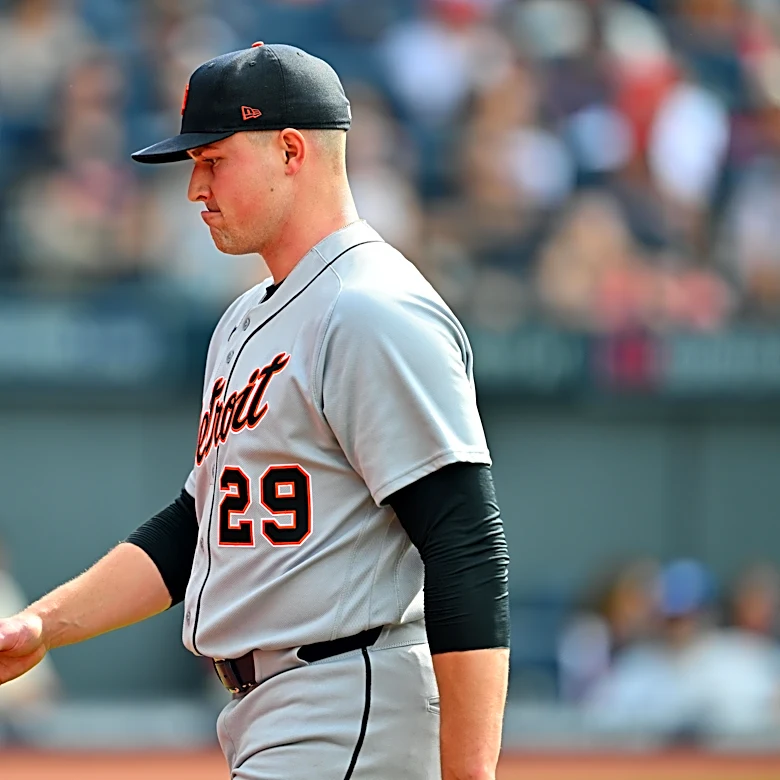
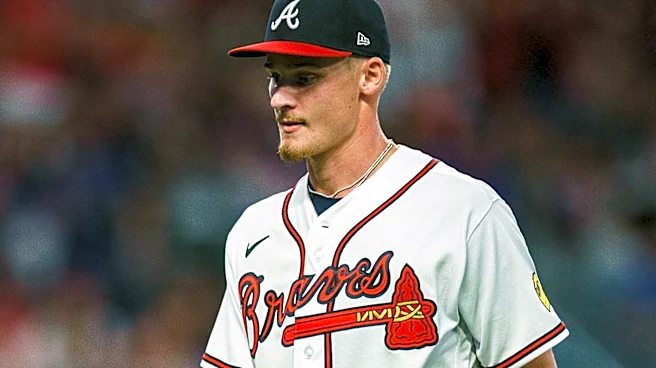
The Atlanta Braves demonstrated a strategic approach to pitcher acquisitions by reportedly avoiding aggressive pursuit of right-hander Casey Mize at the 2026 Trade Deadline, despite media speculation linking them to him. According to Gabe Burns of the Atlanta Journal-Constitution,
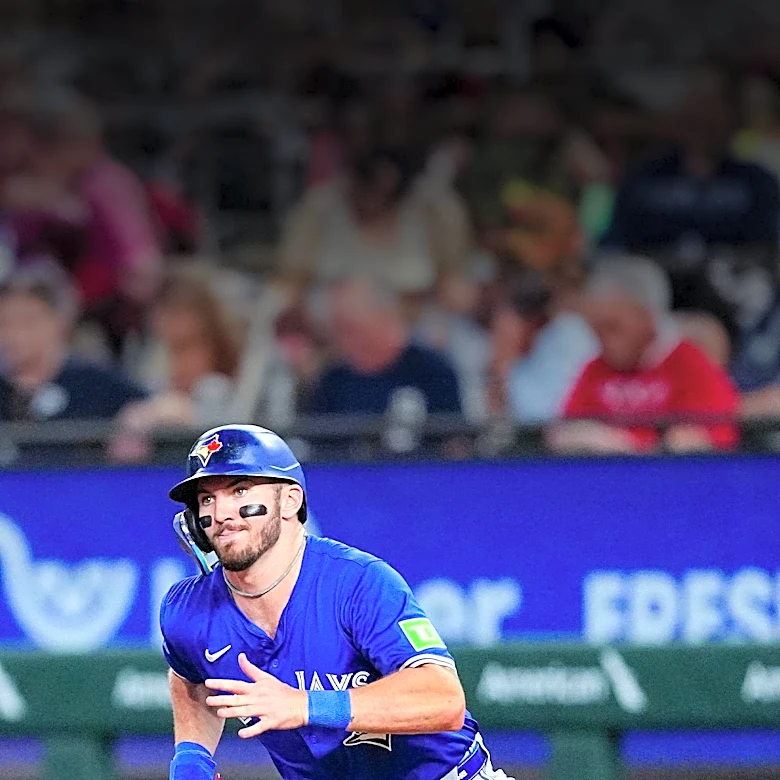
the Braves' actual interest in Mize was 'overstated.' This hesitation stemmed from Mize's inconsistent performance after moving to the San Diego Padres, where his ERA jumped from 2.70 with the Tigers to 7.42, and his FIP from 2.58 to 7.17. Furthermore, the Braves had significant injury concerns regarding Mize's health history, as well as that of Nick Pivetta, who made only eight starts in 2026 due to a right flexor strain. The organization prioritizes pitchers who can consistently stay on the field and deliver innings, aligning with their long-term plans for building a deep and reliable rotation.
Why It's Important?
This cautious approach by the Braves highlights a critical aspect of team building in professional baseball: the balance between potential talent and reliability. By not aggressively pursuing pitchers with recent injury histories or significant performance dips, the Braves aim to protect their resources and ensure that new acquisitions can contribute consistently. This strategy is particularly important for championship-contending teams, where a healthy and stable pitching rotation is paramount. The decision reflects a clear understanding of the true value of a player, factoring in not just past successes but also recent performance trends and health risks. It underscores the front office's commitment to a long-term vision, avoiding high-risk 'rental' players who might not pan out and instead focusing on arms that fit their style and can provide sustained contributions.
What's Next?
The Braves will continue their search for pitching help, but their focus will remain on finding the 'right fit'—pitchers who are healthy, consistent, and align with the team's long-term strategy. This suggests they will likely avoid players with significant injury concerns or volatile performance records, even if those players are prominent names in the free-agent market. The team's restraint in the face of rumors indicates a disciplined approach to roster construction, prioritizing reliable arms over speculative acquisitions. This strategy aims to safeguard the organization from wasting resources on players who may not be able to contribute effectively, ensuring that any future deals are well-considered and support the team's goal of maintaining a competitive rotation.