


What's Happening?
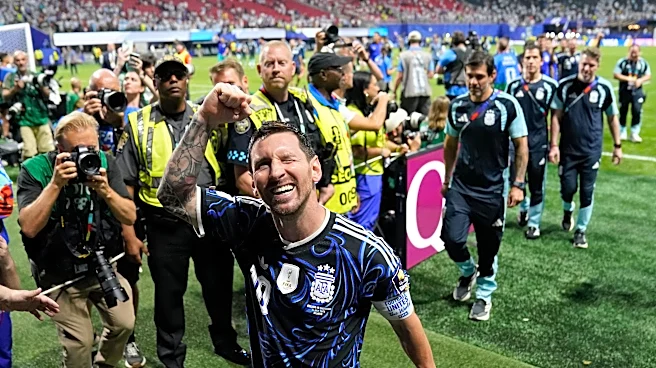
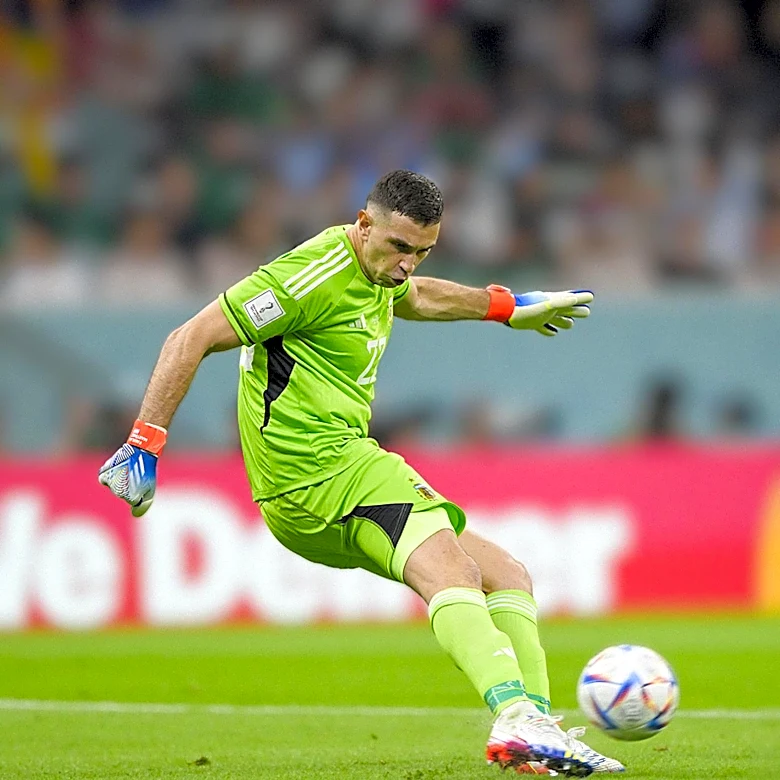
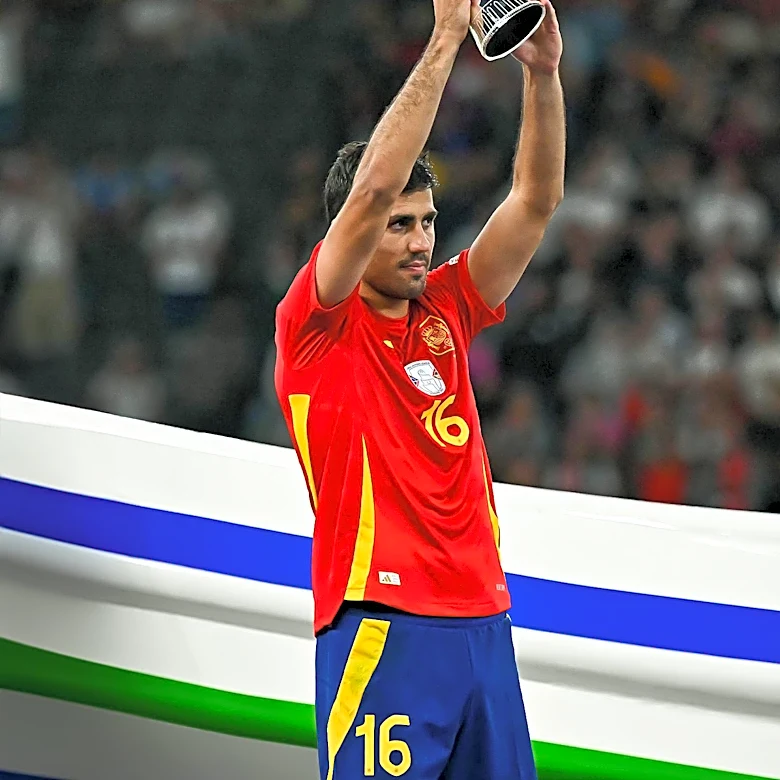
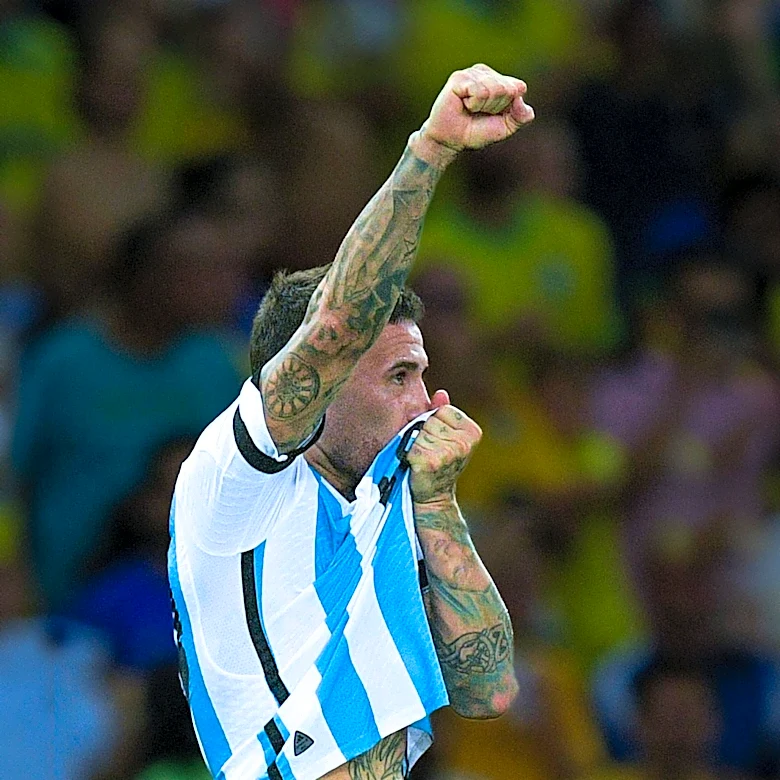
For the first time in World Cup history, FIFA will award championship rings to the winning team, a tradition inspired by major American sports leagues such as the NFL and NBA. This initiative was announced ahead of the World Cup final between Argentina
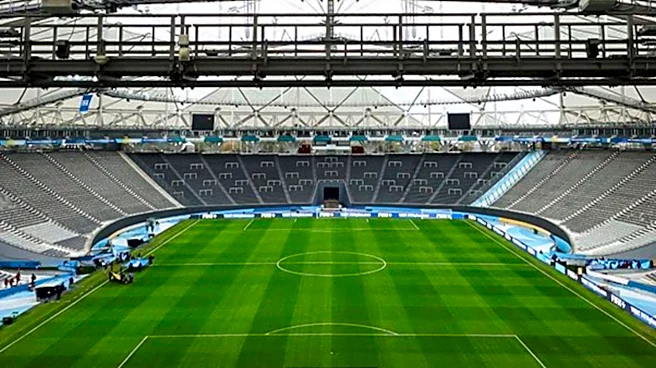
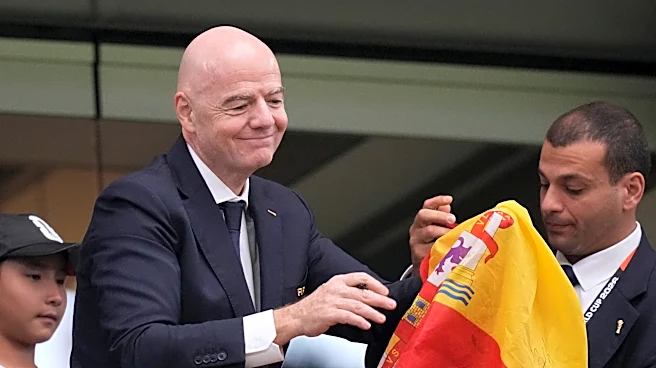
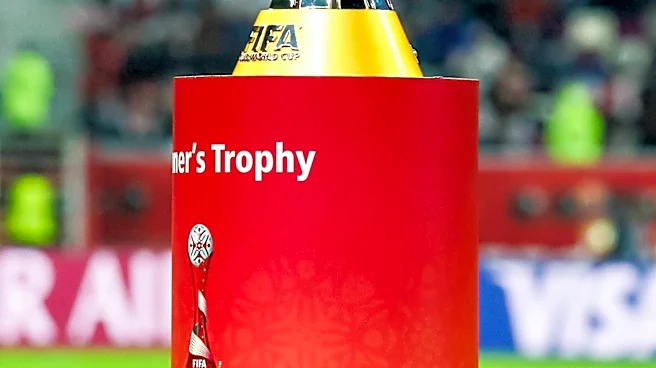
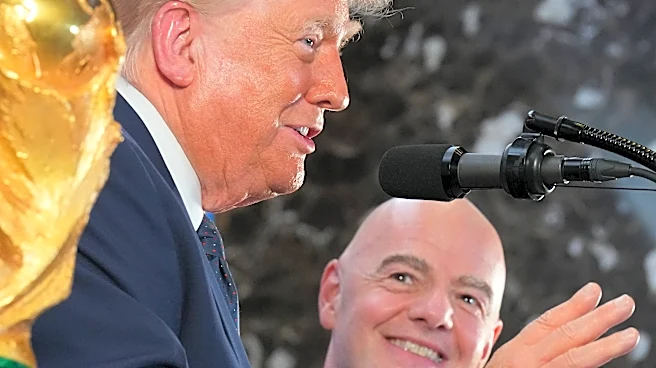
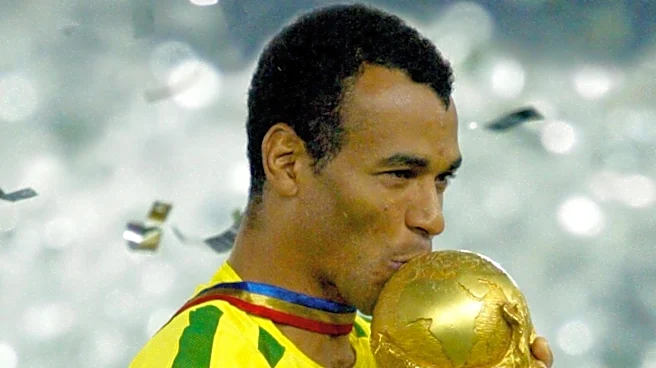
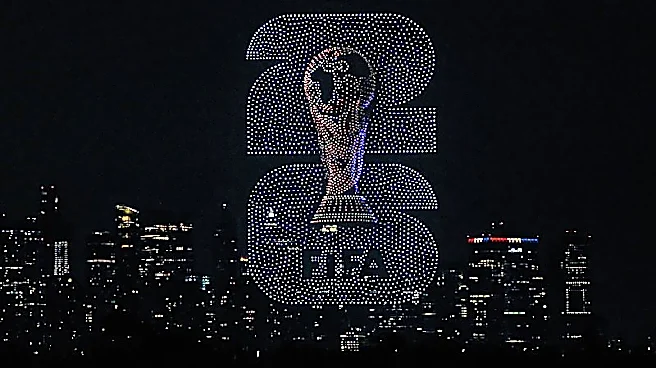
and Spain, set to take place at MetLife Stadium in New York. The winning team will receive 30 customized rings alongside the World Cup trophy and gold medals. These rings will be part of a limited collection of 2,026 individually numbered pieces, with 1,996 available for fans as officially licensed products. The rings will feature a miniature representation of the World Cup trophy and will be customized to reflect the identity of the winning team. U.S. President Donald Trump and FIFA President Gianni Infantino are expected to present the trophy to the winning captain after the match.
Why It's Important?
The introduction of championship rings by FIFA marks a significant cultural shift, bringing a distinctly American tradition to international soccer. This move could enhance the prestige and marketability of the World Cup, potentially increasing fan engagement and merchandise sales. The rings symbolize a blend of global sports cultures, reflecting the growing influence of American sports traditions worldwide. Additionally, President Trump's involvement in the trophy presentation highlights the intersection of sports and politics, underscoring the diplomatic and cultural significance of such events. The decision to award rings may also set a precedent for future FIFA competitions, influencing how international sports events are celebrated.
What's Next?
Following the World Cup final, the winning team will receive temporary rings, with permanent ones customized and presented at a later date. The availability of rings for fans could lead to increased demand for World Cup memorabilia, potentially boosting FIFA's revenue from merchandise sales. The collaboration between President Trump and FIFA President Infantino may continue to draw attention, especially given the scrutiny over their relationship following a controversial disciplinary decision involving U.S. striker Folarin Balogun. This decision, which allowed Balogun to play despite a red card, may prompt further discussions on FIFA's disciplinary processes and the influence of political figures in sports.