




What's Happening?
A five-minute bedtime yoga sequence is being promoted as an effective method to help individuals fall asleep faster by promoting relaxation rather than physical exhaustion. Yoga teacher Cheryl McColgan explains that this type of yoga focuses on gentle
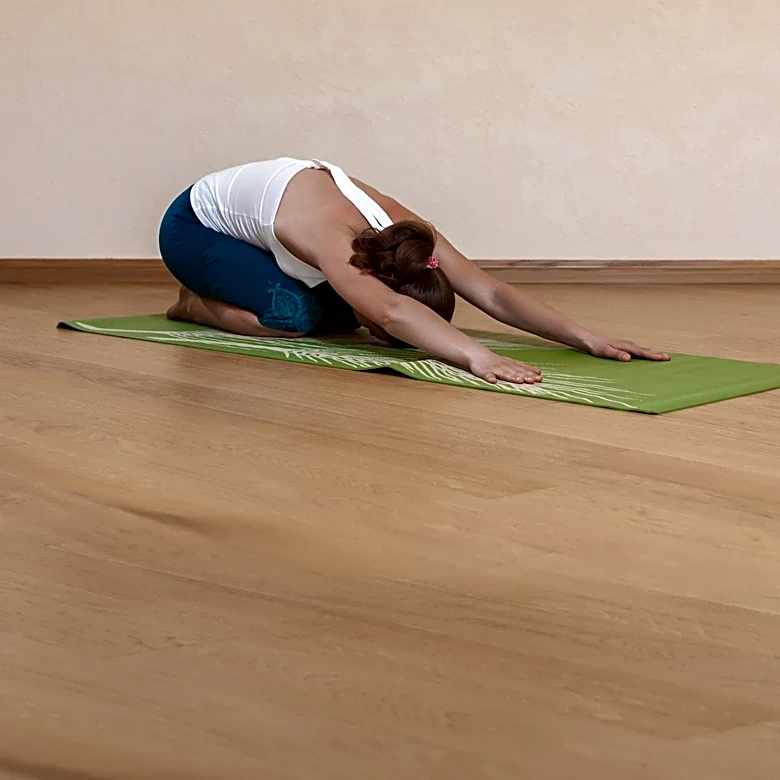
movements and intentional breathing to shift the body from a 'fight or flight' sympathetic state to a 'rest and digest' parasympathetic state, which is conducive to sleep. The routine, designed for nightly practice, can be performed in bed or on the floor and includes poses such as Child's Pose, Supported Seated Forward Fold, Reclined Spinal Twist, Legs Up the Wall, and Savasana with extended exhale. Each pose is intended to release tension, calm the nervous system, and encourage relaxation, with specific benefits like lengthening hamstrings, releasing mid-back tension, and reducing swelling in the legs. McColgan emphasizes that consistency is key for the nervous system to learn this pattern, eventually signaling to the body that it's time for sleep.
Why It's Important?
The promotion of a simple, five-minute bedtime yoga routine holds significant importance for public health and individual well-being in the U.S., where sleep disturbances are prevalent. Many Americans struggle with insomnia and difficulty winding down at night, often resorting to screen time or other less effective methods. This accessible yoga sequence offers a drug-free, low-cost intervention that can be easily integrated into daily life. By shifting the body into a parasympathetic state, it addresses a fundamental physiological barrier to sleep. Improved sleep quality can lead to numerous benefits, including enhanced cognitive function, better mood regulation, and reduced risk of chronic diseases. For industries, particularly those focused on wellness, fitness, and mental health, this highlights a growing demand for practical, evidence-based solutions to common health issues. Individuals who adopt this practice stand to gain better sleep, while the broader society could see a reduction in the indirect costs associated with sleep deprivation, such as decreased productivity and increased healthcare utilization.
What's Next?
Individuals struggling with sleep are encouraged to incorporate this five-minute bedtime yoga sequence into their nightly routine. The consistency of practice is highlighted as crucial for the nervous system to adapt and for the routine to become an effective sleep cue. Yoga teacher Cheryl McColgan suggests using a free app like Insight Timer to help track poses and maintain the recommended timings. The focus will remain on gentle, relaxing movements, ensuring that no pose causes intense stretching or discomfort. As more people seek natural and holistic approaches to health, there may be an increased interest in similar short, accessible wellness practices. This could lead to further development and promotion of brief, targeted routines designed to address specific health concerns, potentially influencing the offerings of fitness studios, wellness apps, and health educators across the U.S.
Beyond the Headlines
Beyond its immediate benefits for sleep, this emphasis on a short, consistent yoga practice underscores a broader cultural shift towards integrating mindfulness and gentle physical activity into daily life as a form of preventative health. In a fast-paced society, the idea that a mere five minutes can significantly impact well-being challenges the notion that extensive time commitments are necessary for self-care. This approach could foster a greater appreciation for the subtle yet powerful connection between mind and body, encouraging individuals to explore other brief, intentional practices for stress reduction and emotional regulation. It also highlights the growing role of accessible digital tools, like timer apps, in facilitating personal wellness routines. The success of such simple interventions may inspire a re-evaluation of how health and wellness are promoted, moving towards more practical, time-efficient strategies that cater to the demands of modern life, potentially influencing workplace wellness programs and public health campaigns.