







What's Happening?
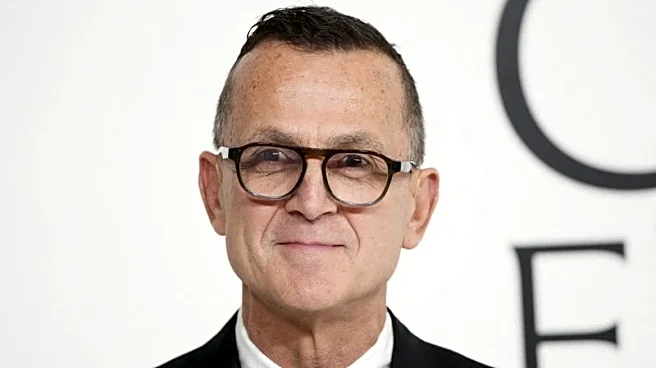
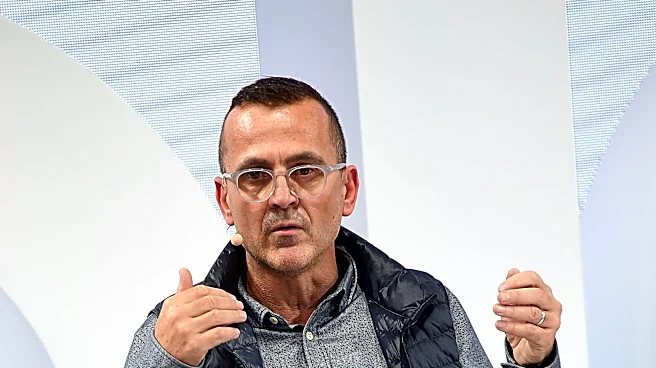
Steven Kolb, the longtime chief executive of the Council of Fashion Designers of America (CFDA), announced his resignation on Friday. This decision comes days after he was filmed physically restraining two animal rights protesters during a New York runway
show. The incident, which occurred on Sunday, involved Kolb forcibly holding two employees of People for the Ethical Treatment of Animals (PETA) and covering their mouths at a show for Cos, an H&M-owned brand. Kolb, a well-known figure in the New York fashion world, had previously apologized for his actions and announced he was taking a leave from his position pending an investigation. The CFDA acknowledged Kolb's decision, describing him as a 'dedicated leader and tireless champion of American fashion.' PETA had initially considered filing a police report but later changed course, stating they still planned to meet with Kolb and hoped for broader industry engagement on animal welfare.
Why It's Important?
This incident highlights the increasing pressure on the fashion industry regarding ethical practices, particularly concerning animal welfare. The public nature of the altercation and Kolb's subsequent resignation underscore the growing scrutiny faced by industry leaders and organizations. For the CFDA, a major trade organization in American fashion, the departure of its long-standing CEO under such circumstances could prompt a re-evaluation of its public relations strategies and its stance on activism. It also signals to other industry executives the potential consequences of mishandling public protests and the importance of aligning corporate actions with evolving societal expectations. The event could further empower animal rights groups like PETA, demonstrating the impact their direct actions can have on high-profile individuals and organizations within the fashion world.
What's Next?
The CFDA will likely begin the process of finding a new chief executive to lead the organization. This transition period could see the CFDA re-evaluating its policies and public engagement strategies, especially concerning activist groups. PETA has indicated its intention to meet with Kolb, even after his resignation, and hopes that other industry figures will also engage in discussions to address the use of animal products in fashion. This suggests a continued push for changes in sourcing and manufacturing practices within the industry. The incident may also lead to increased security measures at future fashion events to manage protests, while simultaneously encouraging a more proactive dialogue between fashion brands and advocacy groups on ethical issues.
Beyond the Headlines
The resignation of Steven Kolb extends beyond a mere personnel change; it reflects a broader cultural shift where public figures and corporate leaders are held increasingly accountable for their actions, especially in the age of ubiquitous social media and instant dissemination of information. The incident also brings to the forefront the ongoing tension between creative expression in fashion and ethical considerations, particularly regarding animal cruelty. This event could serve as a catalyst for deeper introspection within the fashion industry about its supply chains, material choices, and engagement with social and environmental issues. It may also encourage a more nuanced approach to managing protests, moving beyond mere containment to genuine dialogue and policy adjustments, as brands seek to maintain their public image and consumer trust in an increasingly conscious marketplace.