

What's Happening?
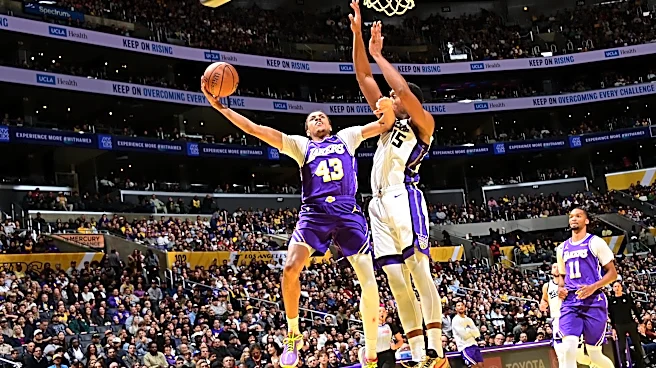
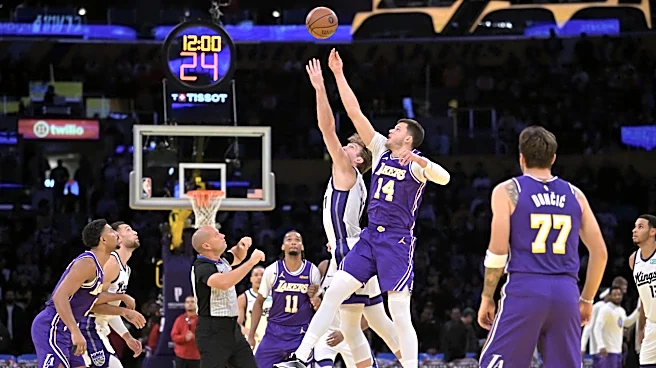
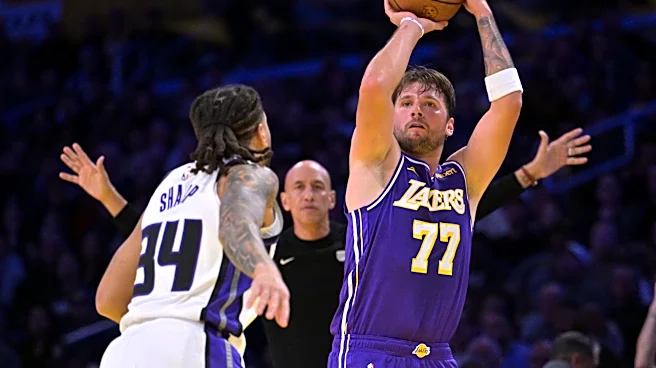
Bob Iger, former Disney CEO, and Josh Kushner, founder of Thrive Capital, attended a Los Angeles Lakers game against the Utah Jazz alongside Lakers governor Jeanie Buss and Lakers President Lon Rosen. This marks their first joint public appearance at a Lakers game since
agreeing in August to purchase a controlling stake in the team from Mark Walter. The proposed deal values the franchise at $12.5 billion, an increase from the $10 billion valuation when Walter acquired control from the Buss family in 2025. The acquisition is currently awaiting approval from the NBA Board of Governors. Iger and his wife, Willow Bay, already co-own Angel City FC, demonstrating their existing involvement in Los Angeles sports. Meanwhile, Jeanie Buss is engaged in a legal dispute with her five siblings over their attempt to sell the Buss Family Trust’s 17.8% stake to the new ownership group, a matter scheduled for a court hearing on December 8 in Los Angeles Superior Court.
Why It's Important?
The potential $12.5 billion acquisition of the Los Angeles Lakers by Bob Iger and Josh Kushner represents a significant financial transaction in the U.S. sports industry, setting a new record for a North American sports franchise valuation. This deal underscores the escalating value of major sports teams and the increasing interest from high-profile investors. For the NBA, the approval of this sale would solidify the league's financial strength and market appeal. The involvement of figures like Iger, with his extensive background in media and entertainment, could bring new strategic directions and marketing opportunities for the Lakers franchise. The ongoing legal battle involving Jeanie Buss and her siblings highlights potential complexities in large-scale ownership transfers, particularly when family trusts are involved, and could influence the final structure of the ownership group. The outcome of this sale and the related legal proceedings will be closely watched by other sports franchises and potential investors, as it could set precedents for future team valuations and ownership transitions.
What's Next?
The immediate next step for the acquisition is the approval from the NBA Board of Governors, which is still pending. Concurrently, the legal dispute between Jeanie Buss and her siblings regarding the sale of the Buss Family Trust's 17.8% stake is scheduled for a hearing on December 8 in Los Angeles Superior Court. The resolution of this legal challenge is crucial, as it could impact Buss's ability to retain her ownership interest and role as governor. If a settlement is not reached, the court's decision will determine the fate of the family's shares and potentially influence the overall ownership structure. Following NBA approval and the resolution of the internal family dispute, Iger and Kushner would officially assume control, potentially leading to new strategic initiatives for the Lakers franchise. The transition could also involve further discussions with Jeanie Buss about her ongoing role within the organization, as they have reportedly engaged in such conversations throughout the sale process.
Beyond the Headlines
This high-profile acquisition extends beyond a simple change of ownership, touching upon broader themes of wealth concentration, the intersection of sports and entertainment, and the evolving landscape of professional sports team valuations. The record-setting $12.5 billion valuation reflects not only the Lakers' brand power and historical success but also the increasing premium placed on live sports content and global fan bases in the digital age. The involvement of figures like Iger, with deep roots in media, suggests a potential future where sports franchises are increasingly viewed as multifaceted entertainment entities rather than just athletic teams. The family dispute within the Buss family also highlights the complexities and potential conflicts that can arise in multi-generational ownership structures, particularly when significant financial assets are at stake. This situation could prompt other family-owned sports franchises to review their succession planning and governance structures to avoid similar internal conflicts.