


What's Happening?
Retailers are increasingly adopting advanced in-store technologies to enhance the shopping experience and improve operational efficiency. This shift moves beyond traditional digital signage to integrate connected digital touchpoints and a broader technology
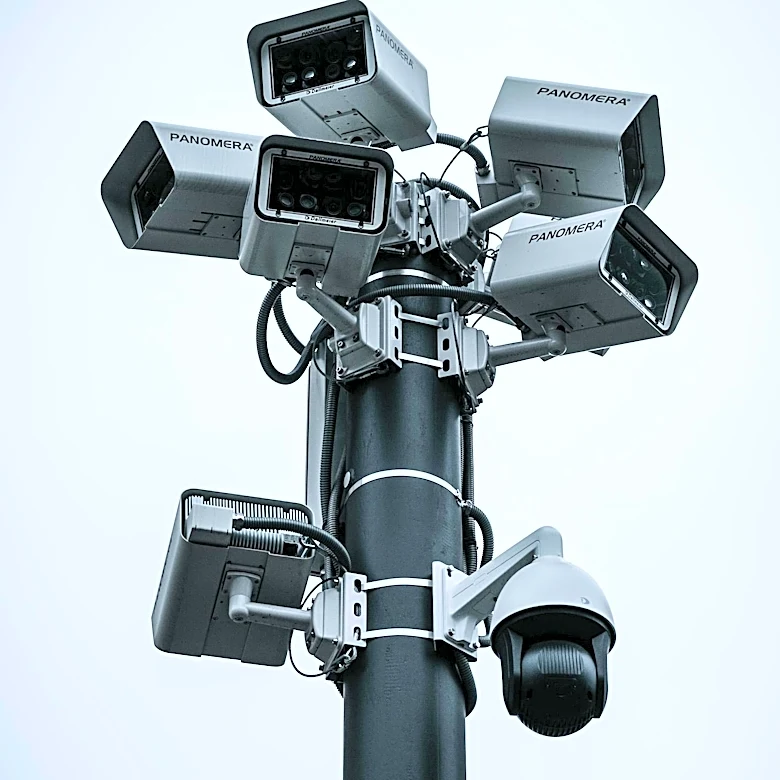
ecosystem. The goal is to make the physical store more useful, relevant, and connected, rather than simply digitizing it. Technologies being implemented include self-checkout systems, smart safes, automated supply chain tools, and inventory management systems. Computer vision technologies, such as object detection, image classification, and cashierless checkout systems, are also being utilized to monitor shelves, automate visual sorting decisions, and manage inventory without constant human intervention. This integration aims to streamline both front-end customer interactions and back-office processes, addressing consumer expectations for digital convenience within physical retail spaces. The focus is on creating a seamless and intuitive experience where technology operates in the background, making the shopping journey easier and more efficient for customers.
Why It's Important?
This technological evolution in retail is crucial for several reasons. Firstly, it addresses the growing consumer expectation for digital convenience to extend into physical shopping, as highlighted by PwC research. By providing features like real-time stock availability and personalized recommendations, retailers can reduce friction and enhance customer satisfaction. Secondly, the integration of these technologies, particularly AI and computer vision, allows retailers to optimize productivity and control costs, which is vital in a competitive and value-conscious market, according to Deloitte's research. Automated inventory management and loss prevention systems can significantly reduce annual losses, which IHL Group estimates to be $1.7 trillion. Thirdly, by making stores more efficient and engaging, retailers can redefine the role of the physical store, ensuring its continued relevance in an era where online shopping is increasingly efficient. This allows physical locations to focus on providing unique experiences, discovery, and personalized service that digital channels cannot replicate, ultimately driving customer loyalty and sales.
What's Next?
The future of retail will likely see a continued integration of physical and digital elements, moving towards a 'unified commerce' approach where all channels are served by a single inventory and order record. Retailers will focus on leveraging technology to create clear purposes for each store, whether it's for speed, inspiration, or discovery. This will involve refining existing technologies and exploring new applications, such as advanced retail media opportunities within stores that are strategically integrated into the customer experience. The emphasis will be on making technology 'disappear into the experience,' ensuring that it simplifies processes and enhances customer and staff interactions without feeling complicated. Retailers will also need to continuously monitor and retrain AI models to adapt to new products, packaging, and store layouts, treating retraining as an ongoing cost rather than a one-off expense. The success of these initiatives will depend on careful planning, phased rollouts, and a focus on measurable operational efficiency and improved customer experience.
Beyond the Headlines
The deeper implications of this technological shift extend to the very nature of retail and consumer behavior. As AI handles more routine shopping tasks, the physical store transforms from a transactional space into a more experiential and discovery-oriented environment. This could lead to a re-evaluation of store design, staffing roles, and marketing strategies, with a greater emphasis on human interaction and personalized service where technology supports rather than replaces. Ethical considerations around data privacy and biometric regulation will become increasingly prominent, especially with the widespread use of computer vision for tracking customer behavior. Retailers will need to navigate these concerns carefully, ensuring transparency and compliance. Furthermore, the concept of 'value' for consumers is expanding beyond just price to include quality, service, and overall experience, making the seamless integration of technology a critical differentiator. This evolution suggests a long-term shift where physical retail, far from becoming obsolete, reasserts its competitive advantage by offering unique, technology-enhanced experiences that online channels cannot fully replicate.