
What's Happening?
Urban Outfitters, Inc., a global lifestyle retailer headquartered in Philadelphia, Pennsylvania, continues to expand its operations across North America and Europe. Established in 1970, the company has
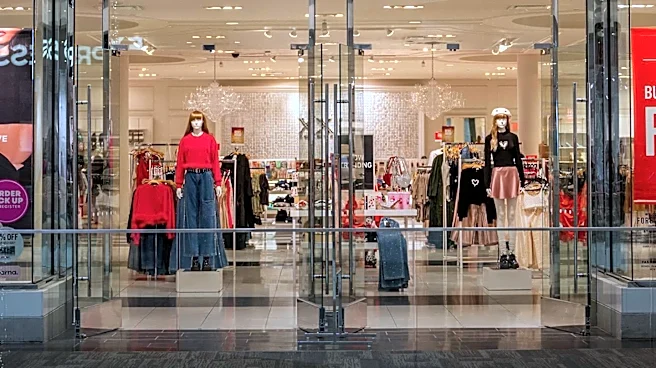
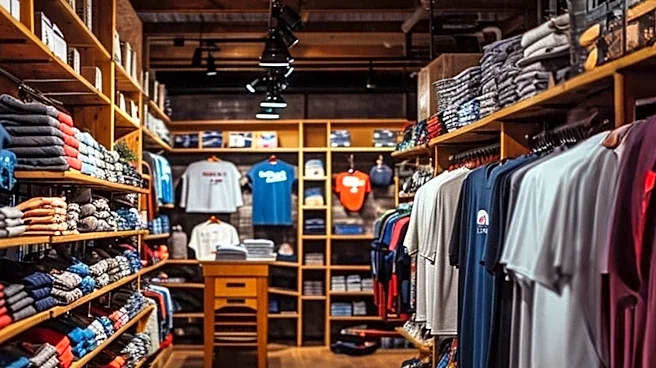
diversified its offerings through several distinct retail concepts. These include Urban Outfitters, which targets young adults with contemporary urban fashion and decor; Anthropologie, focusing on women's apparel, footwear, jewelry, and home furnishings with a bohemian aesthetic for women aged 28 to 45; and Free People, specializing in boho-inspired apparel and accessories for young women aged 25 to 30. Additionally, the company operates niche brands like Terrain, offering garden and outdoor living products, and BHLDN, a wedding apparel and decor boutique. Urban Outfitters serves its customer base through a combination of brick-and-mortar stores and robust digital platforms, including websites, mobile applications, and social media, ensuring a comprehensive omnichannel experience. The company also offers a women's apparel subscription rental service under the Nuuly brand and operates restaurants and event venues.
Why It's Important?
The continued expansion and diversification of Urban Outfitters, Inc. highlight a strategic approach to capturing various segments of the lifestyle retail market. By maintaining distinct brand identities for different age groups and aesthetic preferences, the company mitigates risks associated with fluctuating trends in a single market segment. This multi-brand strategy allows Urban Outfitters to cater to a broader consumer base, from young adults to older women, and across different lifestyle needs, including fashion, home goods, and even wedding attire. The integration of brick-and-mortar stores with extensive digital platforms is crucial in today's retail landscape, providing convenience and accessibility to customers while strengthening direct-to-consumer engagement. This approach is vital for sustained growth and market relevance in the highly competitive U.S. and international retail sectors, demonstrating resilience and adaptability in consumer engagement strategies.
What's Next?
Urban Outfitters, Inc. is expected to continue its focus on brand differentiation, integrated omnichannel experiences, and collaborations with emerging designers and artists. The company's leadership, including CEO Richard A. Hayne, emphasizes ongoing product innovation and tailored consumer outreach to maintain its dynamic position in the lifestyle retail sector. Future developments may include further expansion into new geographic markets, enhancement of its digital capabilities to improve online shopping experiences, and the introduction of new product categories or services under its existing brands or through new ventures. The company's commitment to creating an inclusive environment for employees, coupled with comprehensive benefits, suggests an ongoing investment in human capital, which is critical for operational excellence and customer service in the retail industry. Monitoring consumer trends and adapting its diverse portfolio will be key to its sustained success.
Beyond the Headlines
The operational model of Urban Outfitters, Inc., with its distinct brands targeting specific demographics, reflects a broader trend in retail towards hyper-segmentation and personalized consumer experiences. This strategy goes beyond mere product offerings, extending to the creation of unique brand narratives and lifestyle associations that resonate deeply with their target audiences. The company's blend of physical stores and digital presence also underscores the evolving nature of retail, where a seamless transition between online and offline channels is paramount. This approach not only maximizes sales opportunities but also builds stronger brand loyalty by meeting customers wherever they prefer to shop. Furthermore, the emphasis on collaborations with emerging designers and artists suggests a commitment to staying at the forefront of cultural and fashion trends, positioning Urban Outfitters as a tastemaker rather than just a retailer. This cultural embeddedness is a significant, albeit less obvious, factor in its long-term market influence.