





What's Happening?
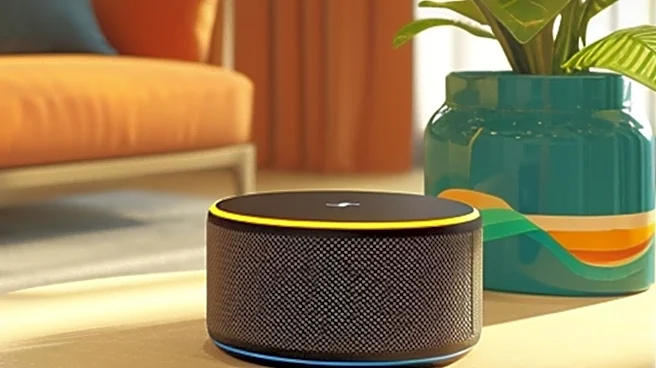
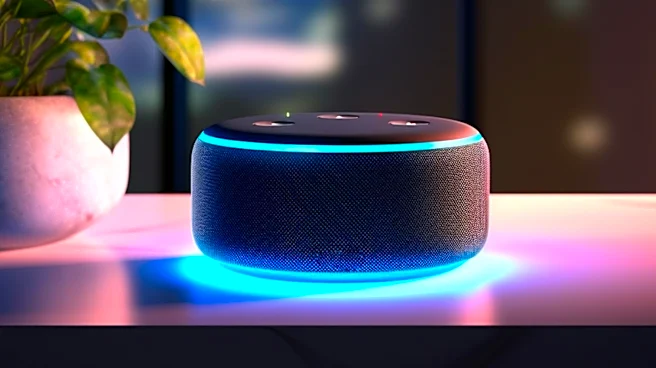
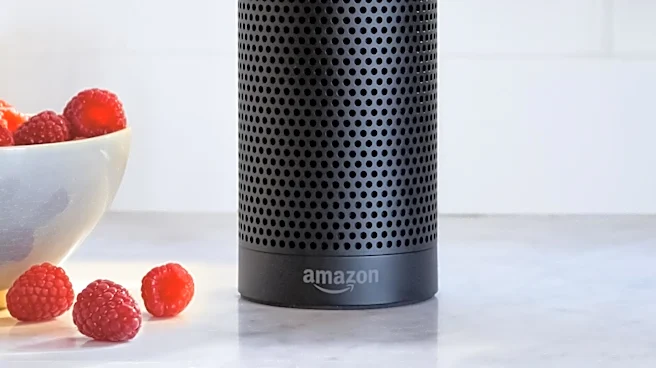
Smart ceiling fans are increasingly integrating with popular voice-controlled devices such as Amazon Alexa, Google Home, and Siri Shortcuts, offering users hands-free control and advanced home automation capabilities. These fans, primarily Smafan models,
operate through the Carro Home app, which serves as the central control system. Users can manage various functions like turning the fan on/off, adjusting speed, reversing direction, and controlling integrated lights through voice commands or pre-set routines. While most Smafan fans are smart DC models with built-in Wi-Fi, some AC fans achieve smart functionality via a smart wall switch. The integration allows these fans to become part of broader smart home ecosystems, enabling them to interact with other connected devices like lights, locks, and blinds within a single routine. This development signifies a move towards more seamless and intuitive control over household appliances, reducing the reliance on physical remotes or manual switches.
Why It's Important?
The integration of smart ceiling fans with voice assistants marks a significant step in the evolution of smart home technology, enhancing convenience and energy efficiency for U.S. consumers. By allowing fans to be controlled via voice or automated routines, users can optimize comfort and reduce energy consumption. For instance, routines can be set to adjust fan speeds based on time of day or in conjunction with other smart devices, such as turning off when leaving home. This capability aligns with recommendations from the U.S. Department of Energy, which suggests that ceiling fans can allow thermostats to be set higher, leading to energy savings. The widespread adoption of such integrated systems could lead to a more energy-conscious household environment, potentially impacting utility costs and contributing to broader energy conservation efforts. Furthermore, the ease of use provided by voice control makes smart home technology more accessible to a wider demographic, driving market growth in the smart appliance sector.
What's Next?
The trend of integrating smart home devices with voice assistants is expected to continue, with manufacturers likely focusing on expanding compatibility and enhancing the sophistication of automated routines. Future developments may include more advanced AI-driven features that learn user preferences and environmental conditions to proactively adjust fan settings for optimal comfort and energy efficiency. There could also be an increase in the development of universal smart home protocols to ensure seamless interoperability between devices from different brands, addressing current limitations such as Smafan fans not supporting Apple Home or Matter. As the market matures, consumers can anticipate a wider range of smart ceiling fan models with diverse features, potentially including more aesthetic options and specialized functionalities for different room types. The emphasis will likely remain on creating intuitive, hands-free experiences that simplify daily tasks and contribute to a more connected and efficient home environment.
Beyond the Headlines
This advancement in smart home technology extends beyond mere convenience, touching upon broader societal and environmental implications. The increased adoption of energy-efficient smart appliances, like integrated ceiling fans, contributes to a larger movement towards sustainable living and reduced carbon footprints. By enabling precise control over energy usage, these devices empower consumers to make more environmentally conscious choices without sacrificing comfort. On a technological front, the reliance on voice assistants raises questions about data privacy and security, as personal usage patterns and voice commands are processed and stored. As smart homes become more interconnected, the ethical considerations surrounding data collection and the potential for system vulnerabilities will become increasingly pertinent. Furthermore, the shift towards hands-free interaction with technology could influence user behavior and expectations, potentially leading to a future where physical interfaces are minimized, and voice or gesture control becomes the primary mode of interaction with our environment.