





What's Happening?
McDonald's Türkiye has launched a new initiative called '7 Wonders of McDonald's,' which features seven distinct restaurant locations designed to reflect the local architecture, culture, and lifestyle of their surrounding cities. This project marks a significant
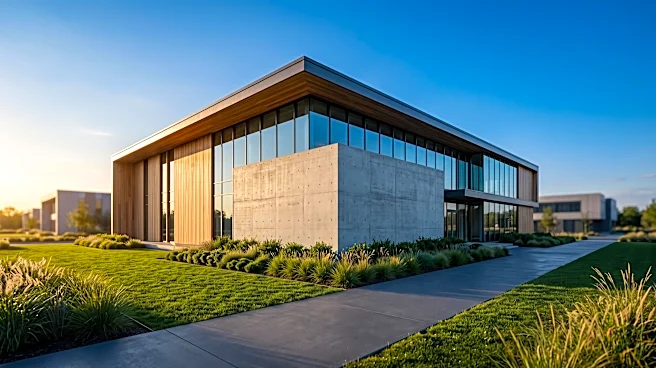
departure from the brand's traditional standardized approach, aiming to integrate each restaurant into its community's unique identity. The locations span various regions, including Bodrum Yalikavak, Izmir Selcuk, Mugla Gocek, Antalya Land of Legends, Istanbul Sirkeci, Izmir Çeşme Drive-Thru, and Antalya Merkez. Each design incorporates elements specific to its area, such as Aegean coast views, historic Ephesian stone architecture, marina settings, or integration into conservation zones like Old Istanbul. This strategy is part of McDonald's Türkiye's broader expansion, which has seen 38 new restaurants opened this year, bringing the total to 332 nationwide. CEO Mwaffak Kanjee emphasizes that this design philosophy is integral to their growth, focusing on contributing to local employment, regional economies, and community life by tailoring each location to its urban pace, architectural identity, and local expectations.
Why It's Important?
This strategic shift by McDonald's Türkiye holds significant implications for the global fast-food industry and broader hospitality sector, including potential impacts on U.S. businesses. By moving away from a uniform design, McDonald's is acknowledging a growing consumer demand for authentic, localized experiences rather than generic brand consistency. This approach could influence how other major U.S. and international chains consider their expansion and branding strategies, potentially leading to a trend of more culturally integrated restaurant designs. For U.S. operators, this case study demonstrates how investing in distinctive, photogenic spaces can serve as a powerful marketing channel, enhancing brand equity and attracting customers who seek unique dining environments. It suggests that future success in the hospitality industry may increasingly depend on a 'sense of place' that resonates with local communities, rather than a one-size-fits-all model. This could also impact U.S. real estate development and architectural firms, as demand for specialized, culturally sensitive designs for commercial spaces may rise.
What's Next?
The success of McDonald's Türkiye's '7 Wonders' project will likely be closely monitored by other global brands and hospitality executives. If this localized design strategy proves effective in increasing customer engagement, dwell time, and word-of-mouth marketing, it could prompt similar initiatives in other markets, including the U.S. We might see a gradual shift in how major U.S. restaurant chains approach new constructions and renovations, prioritizing local aesthetics and cultural integration over standardized corporate branding. This could lead to increased collaboration between global brands and local architects, designers, and artists. Furthermore, the emphasis on contributing to local employment and economies through tailored designs could become a more prominent aspect of corporate social responsibility strategies for businesses operating in the U.S. and internationally. The project's long-term impact on brand perception and market share in Türkiye will be a key indicator for future strategic decisions across the industry.
Beyond the Headlines
Beyond the immediate business implications, McDonald's Türkiye's '7 Wonders' project touches upon deeper cultural and ethical considerations. The initiative represents a significant acknowledgment that even highly standardized global brands can and should adapt to local contexts, potentially fostering a more respectful and integrated relationship with diverse communities. This move challenges the traditional notion of globalization as a homogenizing force, instead promoting a model where global brands can celebrate and incorporate local heritage. Ethically, it suggests a greater corporate responsibility to contribute positively to the cultural landscape and economic fabric of the regions they operate in, rather than simply imposing a universal brand identity. This could lead to a broader re-evaluation of how multinational corporations engage with local cultures, potentially encouraging more authentic and less extractive forms of global expansion. It also highlights a shift in consumer values, where authenticity and local connection are increasingly prized, influencing long-term cultural shifts in consumption patterns.