



What's Happening?
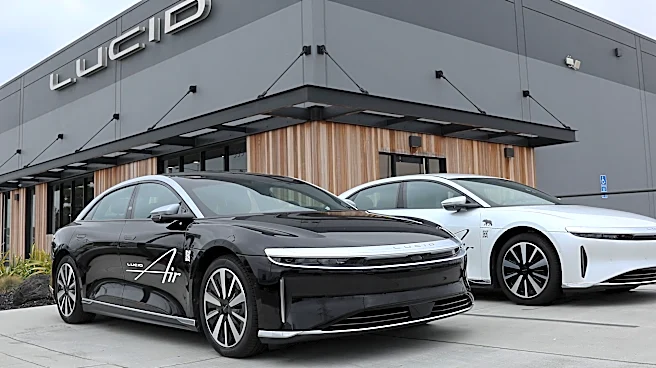
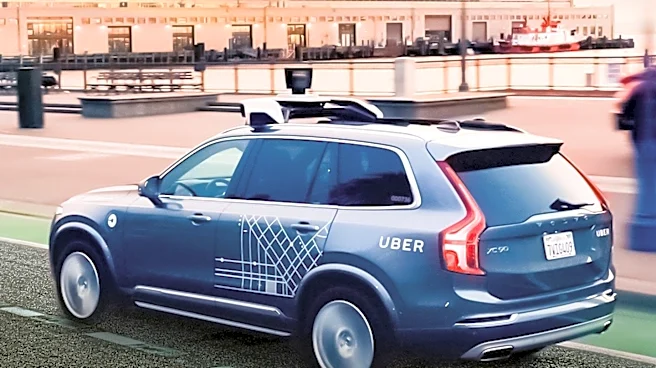
Uber, Lucid, and Nuro have commenced fully driverless robotaxi testing on public roads in the San Francisco Bay Area. This initiative follows their global robotaxi program announced in July of the previous year, which integrates Nuro's autonomous driving
system into modified Lucid Gravity vehicles and utilizes Uber's ride-hailing network. The companies had been conducting tests with a safety driver since December of last year, including employee rides in April. The current phase of testing involves no safety driver in the vehicle and is initially rolling out in Palo Alto, Mountain View, Los Altos, and Sunnyvale, with plans for expansion to more Bay Area cities next year. Nuro received a California DMV Driverless Testing Permit earlier this year, making it one of only six firms authorized to conduct such tests in the state. Lucid has supplied over 100 vehicles equipped with necessary hardware, software, and rider-experience updates for this phase. Employee rides in these driverless vehicles are expected to begin soon, preceding a public launch in the Bay Area anticipated in the first quarter of 2027.
Why It's Important?
This development marks a significant step forward in the commercialization of autonomous vehicle technology in the United States. The collaboration between a major ride-hailing platform (Uber), an electric vehicle manufacturer (Lucid), and an autonomous technology specialist (Nuro) could accelerate the adoption of robotaxi services. For consumers, this could eventually lead to more convenient and potentially safer transportation options, though public acceptance and regulatory frameworks will be crucial. For the automotive industry, it signifies a shift towards autonomous mobility-as-a-service models, potentially disrupting traditional car ownership. The expansion of driverless testing in a densely populated urban area like the San Francisco Bay Area will provide critical real-world data on the performance and safety of these systems, influencing future regulatory decisions and technological advancements. The commitment by Uber to purchase at least 35,000 Lucid vehicles equipped with the Nuro Driver underscores the substantial investment and long-term vision these companies have for autonomous ride-hailing.
What's Next?
The immediate next steps involve the commencement of employee rides in the fully driverless vehicles in the San Francisco Bay Area. Following this, the companies aim for a public launch of the robotaxi service in the Bay Area during the first quarter of 2027. Concurrently, the testing will expand to additional Bay Area cities next year. Uber has outlined plans to expand the service to dozens of markets globally in the coming years, indicating a long-term strategy for widespread deployment. The success of these initial driverless operations will likely influence regulatory bodies in California and other states regarding the broader approval and expansion of autonomous vehicle services. Further technological refinements to Nuro's end-to-end Nuro Driver system and the integration of future Lucid Midsize vehicles into the fleet are also anticipated as the program progresses.
Beyond the Headlines
The deployment of fully driverless robotaxis raises several deeper implications beyond immediate operational success. Ethical considerations surrounding autonomous decision-making in complex traffic scenarios, particularly in accident avoidance, will become more prominent. Legal frameworks will need to evolve to address liability in the absence of a human driver, potentially leading to new insurance models and regulatory standards. The widespread adoption of robotaxis could also have significant societal impacts, including changes in urban planning, a potential reduction in private car ownership, and shifts in employment within the transportation sector. Furthermore, the data collected by these autonomous vehicles, encompassing traffic patterns, passenger behavior, and urban environments, presents both opportunities for smart city development and challenges related to data privacy and security. The collaboration between these three companies could set a precedent for future partnerships in the autonomous vehicle industry, shaping the competitive landscape and technological direction of mobility solutions.