







What's Happening?
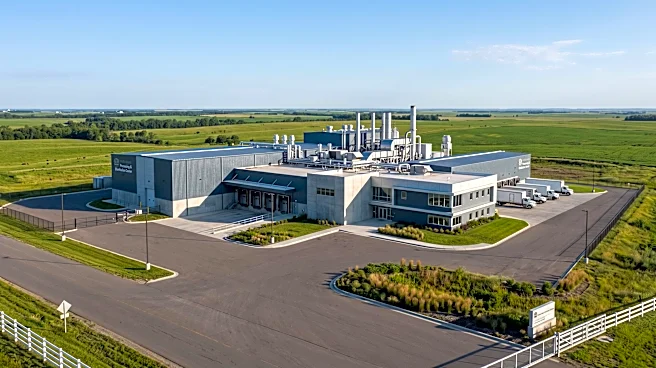
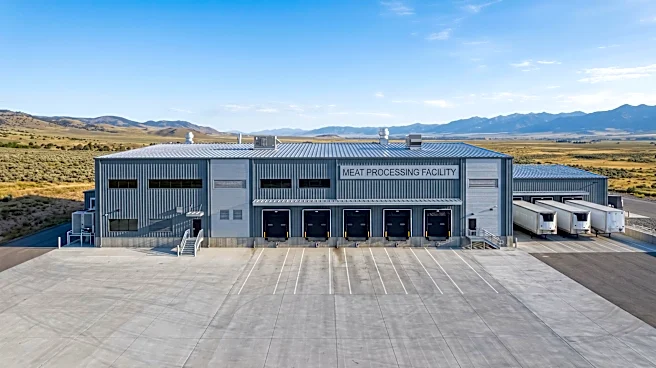
The U.S. Department of Agriculture (USDA) has announced an investment of $3.3 million to expand meat processing capacity in Montana and Wyoming. This funding is part of a larger $57 million allocation through the Meat and Poultry Processing Expansion
Program (MPPEP) distributed across 40 states. Vice President J.D. Vance and Agriculture Secretary Brooke L. Rollins highlighted that these investments aim to create new and better markets for ranchers. According to USDA Rural Development Montana State Director Bill Warden, these funds demonstrate President Trump and Agriculture Secretary Rollins’ commitment to expanding opportunities for American farmers, ranchers, and their rural communities. The initiative seeks to connect Montana producers with consumers seeking locally raised and processed meat, addressing the growing demand for transparency in food sourcing.
Why It's Important?
This investment is critical for strengthening the U.S. meat processing sector, particularly for small and independent processors. By expanding capacity, ranchers will have more local options for processing their livestock, reducing transportation costs and increasing the value of their products. This fosters greater competition in the market, which can benefit both producers through better prices and consumers through more diverse and locally sourced options. USDA Rural Development Wyoming State Director Tyler Harrison emphasized that small and regional processors are vital for increasing competition and that the Trump Administration is focused on supporting independent and regional processing, encouraging rancher-owned alternatives, and removing barriers for new market entrants. The program is designed to improve supply chain resiliency and create jobs in rural areas, with thousands of jobs already created nationwide through MPPEP.
What's Next?
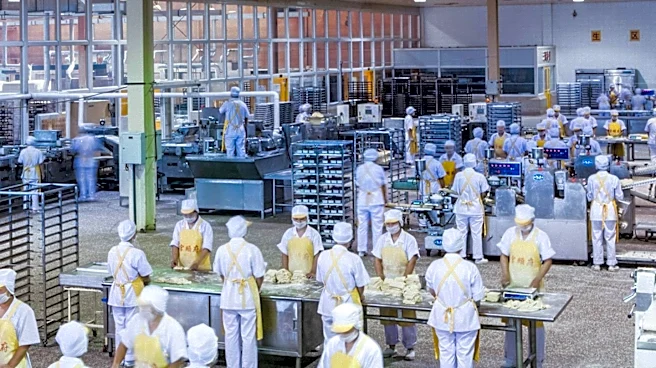
The allocated funds will be distributed to various processors in Montana and Wyoming to upgrade facilities, purchase specialized equipment, and expand their operational capabilities. For instance, Wyoming Legacy Meats, LLC in Cody, received $552,906 to expand processing capacity and create nine rural jobs. Star Valley Meat Block & Cold Storage in Thayne received $186,198 to modernize operations, and C4 Meat Processing, LLC in Cheyenne received $169,112 to expand value-added processing. In Montana, seven meat processors, including Bear Paw Meats, LLC, Big Sky Processing LLC, and Glacier Processing Cooperative, received grants ranging from $111,543 to over $1.3 million for various upgrades. These improvements are expected to increase throughput, enhance food safety, and create new market opportunities for livestock producers.
Beyond the Headlines
The USDA's investment in meat processing capacity reflects a broader strategic effort to decentralize and diversify the U.S. food supply chain. The COVID-19 pandemic exposed vulnerabilities in a highly consolidated processing industry, leading to disruptions and price volatility. By supporting smaller, regional processors, the government aims to build a more resilient system less susceptible to large-scale shocks. This move also aligns with consumer preferences for locally sourced food and greater transparency in production. The long-term implications include potential shifts in market power, increased economic vitality in rural communities, and a more robust, distributed food infrastructure that can better adapt to future challenges, ensuring food security and economic stability for agricultural stakeholders.