






What's Happening?
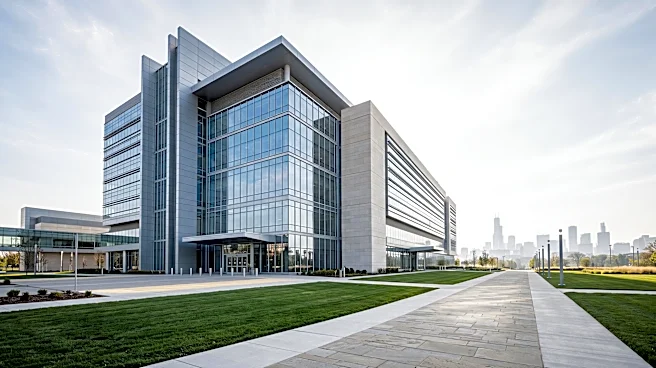
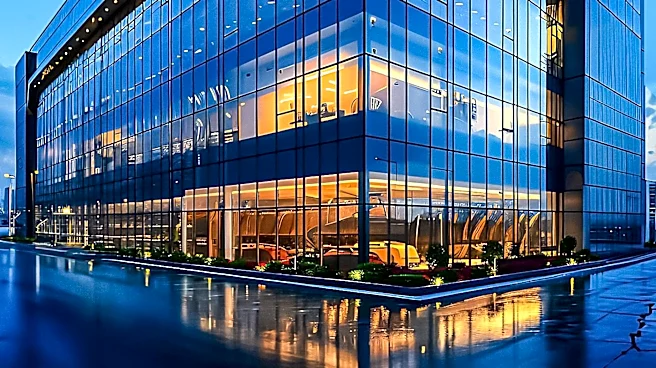
Henricksen, a prominent furniture and design company in Chicago, has established a new headquarters on the 21st floor of W.22nd Street in Oak Brook, IL. The design of this new workspace is a fusion of Japandi and Brutalist styles, aiming to reflect the company's
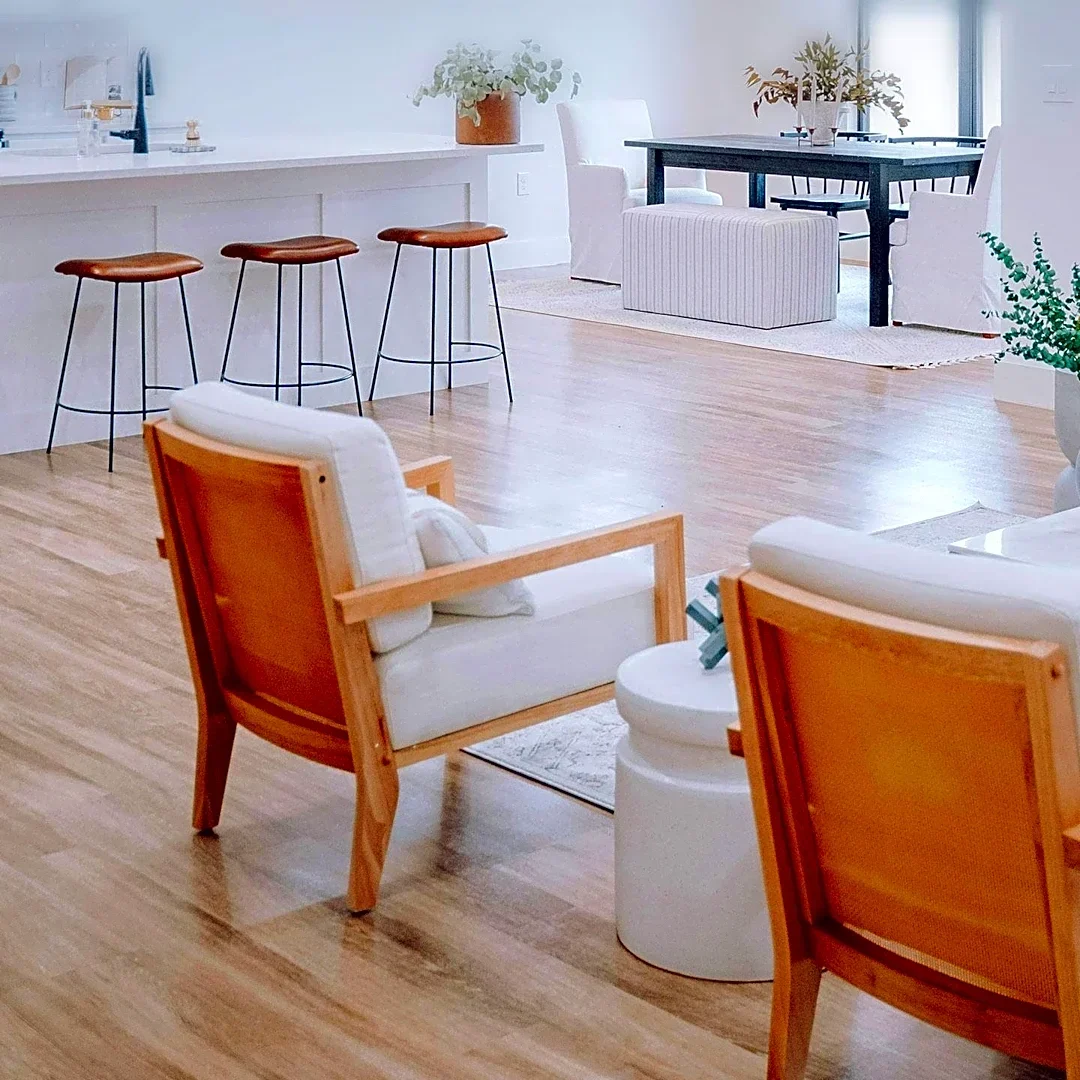
current identity and future work methodologies. LJC Design & Engineering guided the project, starting with extensive consultations including staff questionnaires, stakeholder discussions, and leadership visioning sessions to define the workplace's needs. Key design priorities identified were flexibility, advanced technology, superior acoustics, a central town hall area for staff, an impressive client-facing presence, and an environment that surpasses the experience of working from home. The resulting design incorporates raw, honest materials alongside elements that provide warmth and natural light, creating a space that balances collaborative energy with areas for focused work and well-being. The material palette is restrained, minimal, and textural, allowing the furniture to serve as a primary sales tool for clients.
Why It's Important?
This development is significant for the commercial interior design sector, showcasing a trend towards hybrid design aesthetics that prioritize both functionality and employee well-being. Henricksen's investment in a thoughtfully designed headquarters underscores the evolving understanding of workplace environments as critical assets for company culture, productivity, and client engagement. The integration of Japandi and Brutalist influences suggests a move away from singular design themes towards more complex, layered aesthetics that can cater to diverse needs within a single space. For businesses in the furniture and design industry, this project serves as a tangible example of how design principles can be applied to create a compelling and effective corporate environment. It also highlights the importance of a comprehensive design process that begins with deep engagement with stakeholders to ensure the final space truly meets organizational goals and employee expectations.
What's Next?
The new Henricksen headquarters is expected to serve as a model for future commercial interior design projects, particularly those seeking to blend diverse aesthetic influences while maintaining a focus on practical workplace needs. Other companies in the design and furniture sectors may look to this project as a case study for creating innovative and employee-centric office spaces. The success of this design approach could influence broader trends in corporate real estate and interior architecture, encouraging more businesses to invest in bespoke design solutions that reflect their unique brand identity and operational requirements. Furthermore, the emphasis on flexibility, technology, and well-being within the design suggests a continued evolution in how companies approach the post-pandemic workplace, prioritizing adaptable and supportive environments for their teams.
Beyond the Headlines
The Henricksen headquarters project reflects a deeper cultural shift in how workspaces are perceived—no longer just functional areas, but strategic tools for fostering collaboration, innovation, and employee satisfaction. The blend of Japandi (Japanese Zen and Scandinavian functionality) with Brutalism (raw, honest materials) represents a sophisticated approach to design that seeks to create environments that are both aesthetically pleasing and deeply human-centric. This fusion can be seen as a response to the increasing demand for authenticity and comfort in professional settings, moving away from sterile corporate aesthetics. Ethically, the focus on employee well-being and creating spaces that offer 'something beyond the experience of working from home' speaks to a growing corporate responsibility to provide supportive and inspiring environments, acknowledging the impact of physical space on mental health and productivity. This project could signal a long-term shift towards more holistic and integrated design philosophies in commercial architecture.